Last updated November 25, 2026
 Sliding glass doors
 Single hung
 Double hung
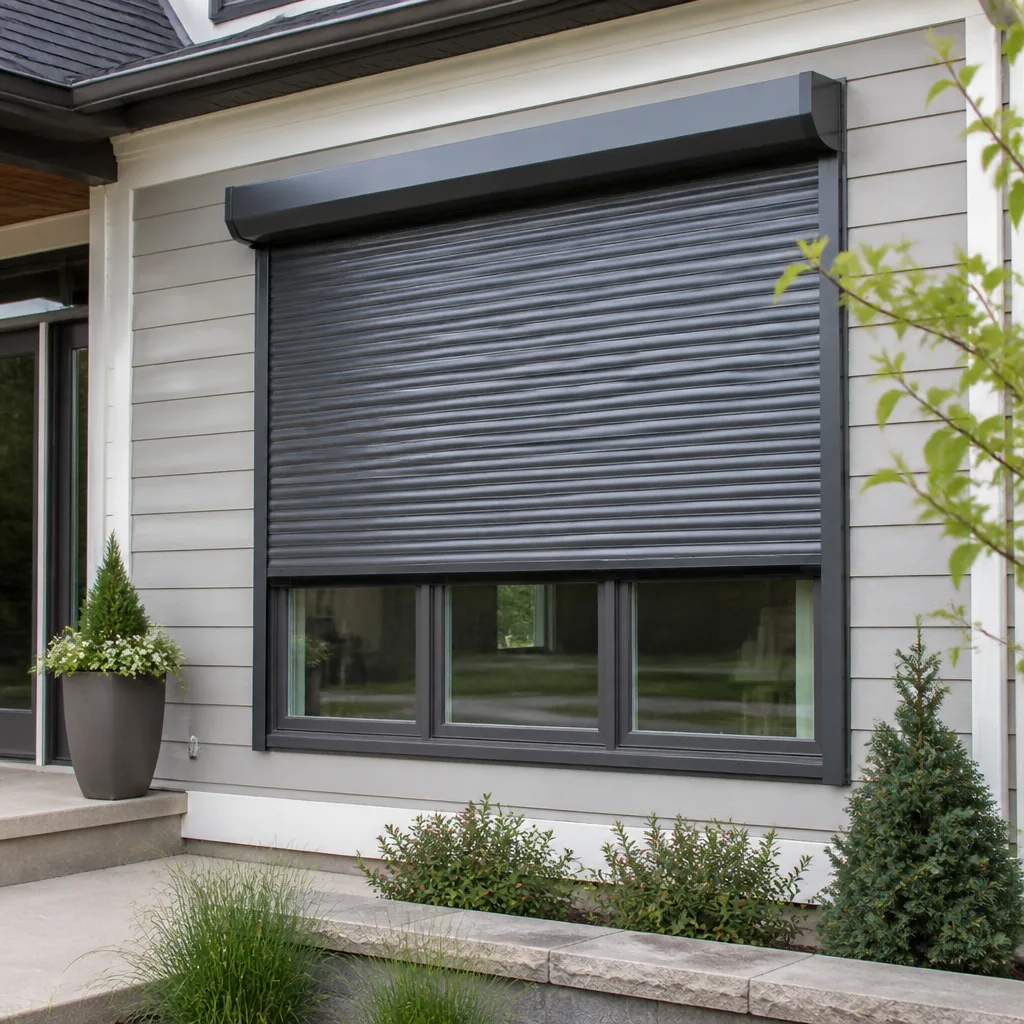 Horizontal roller
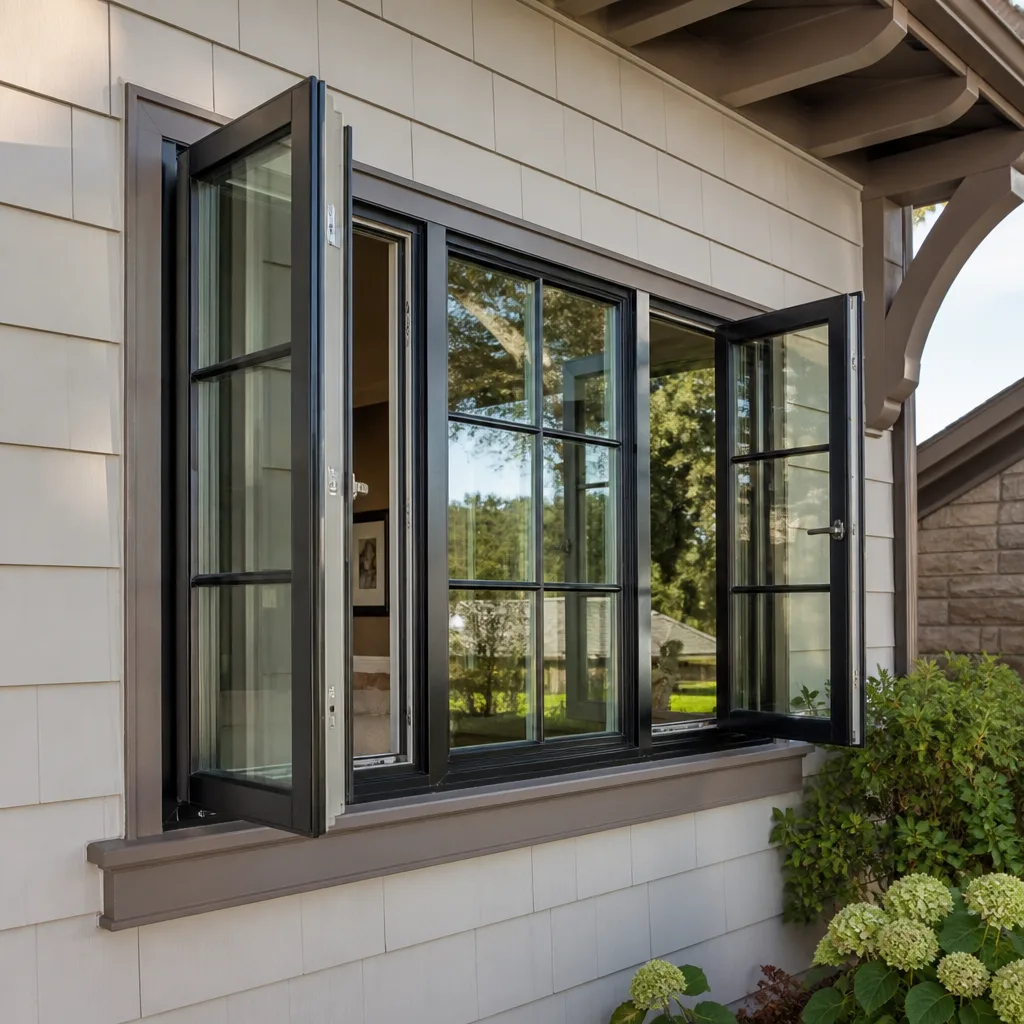 Casement
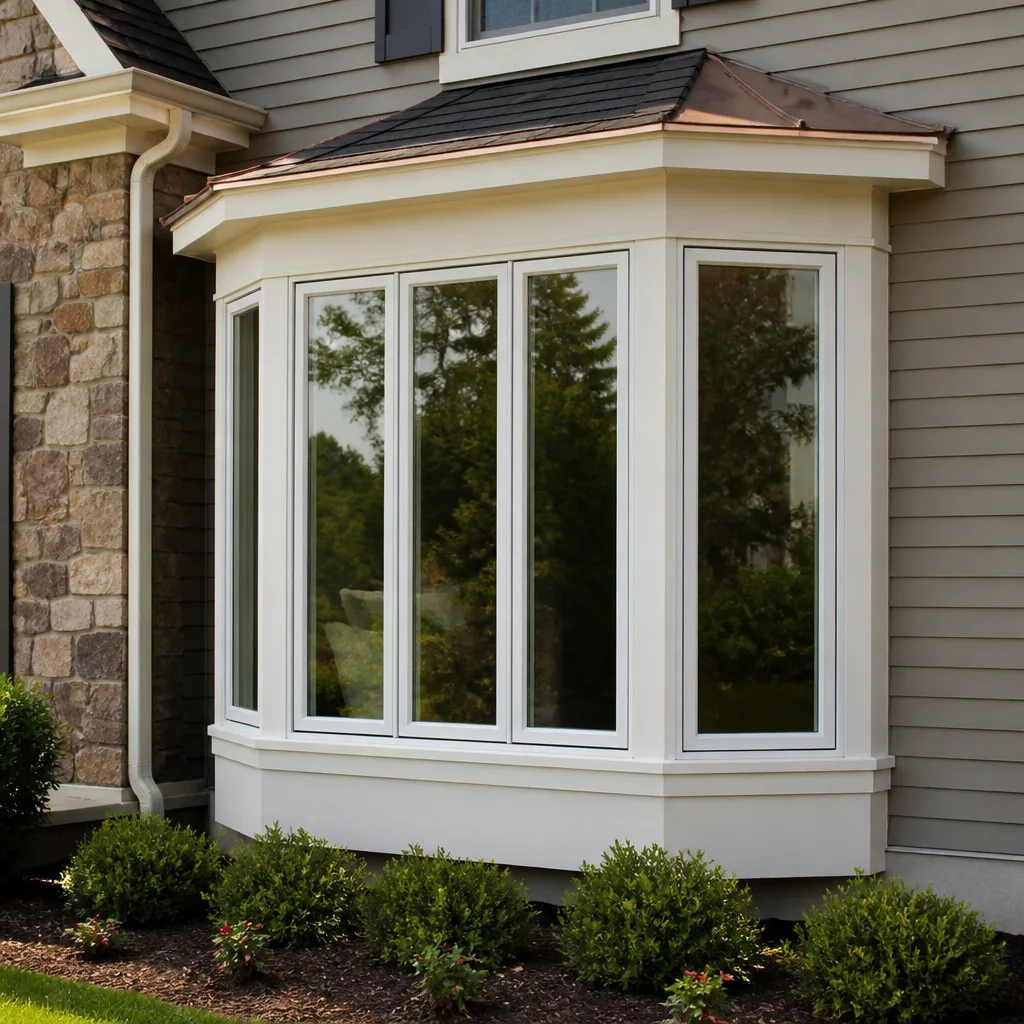 Bay & bow
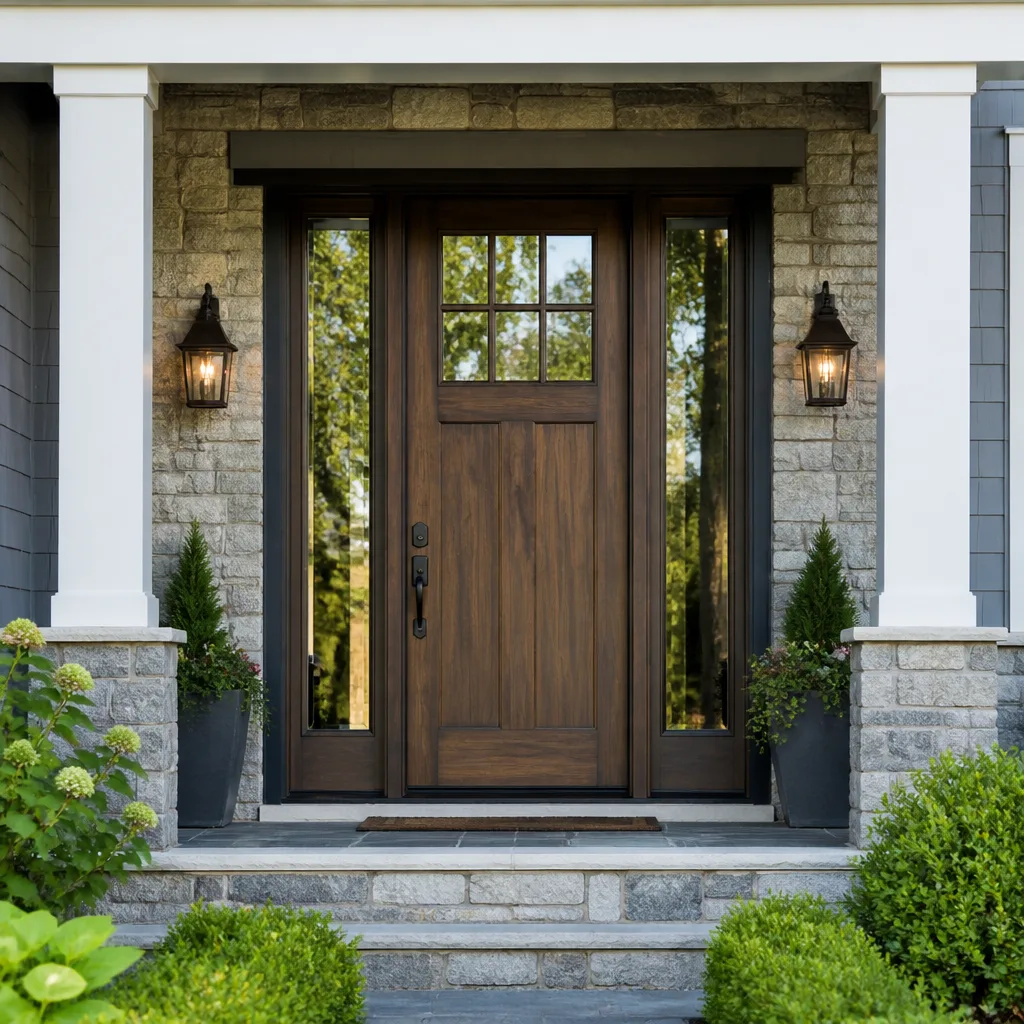 Entry doors
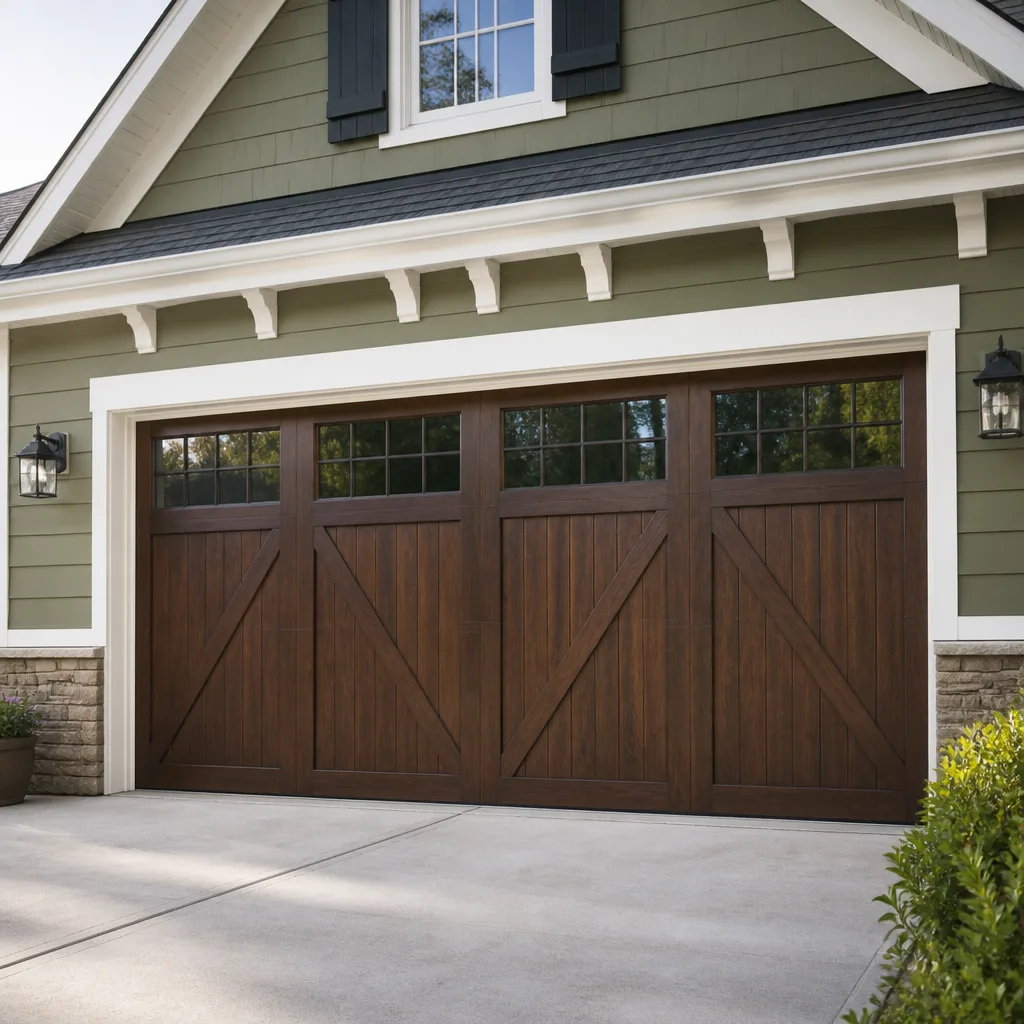 Impact garage doors
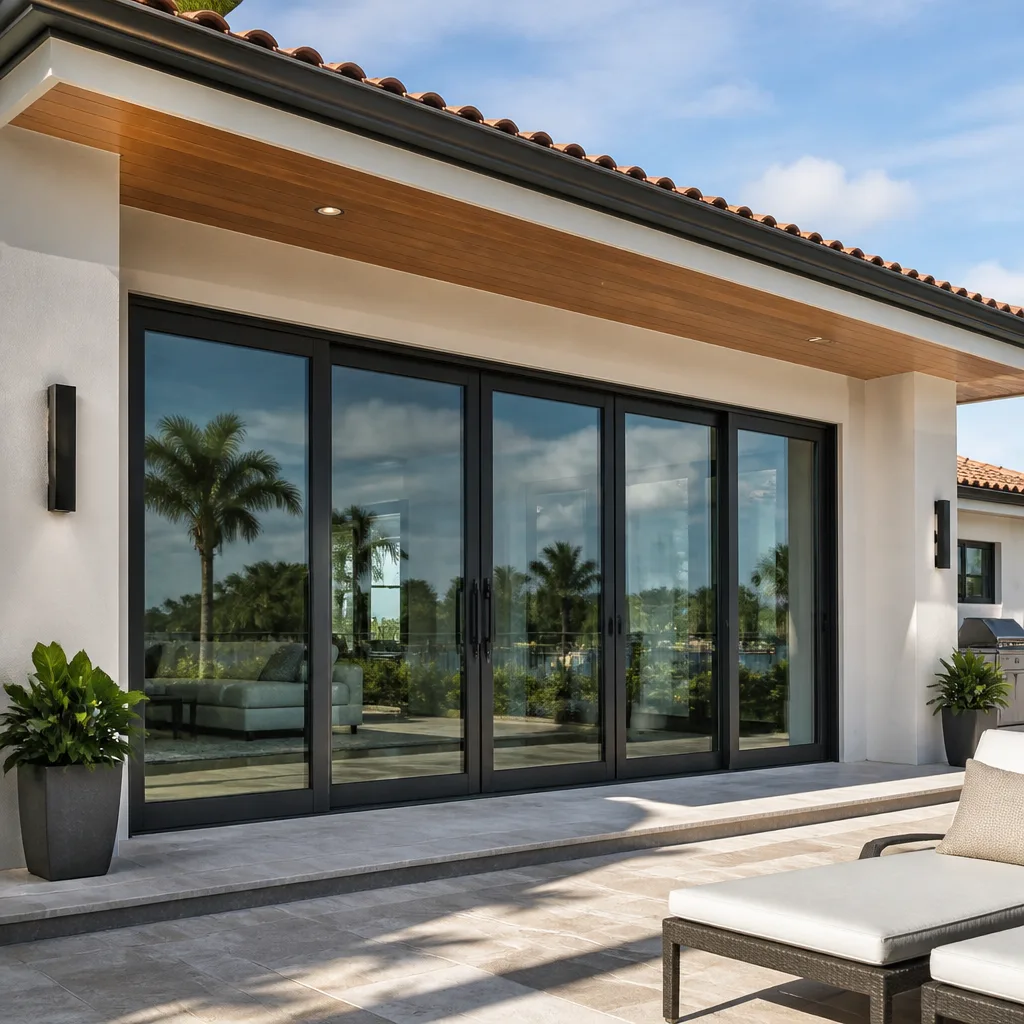 PGT
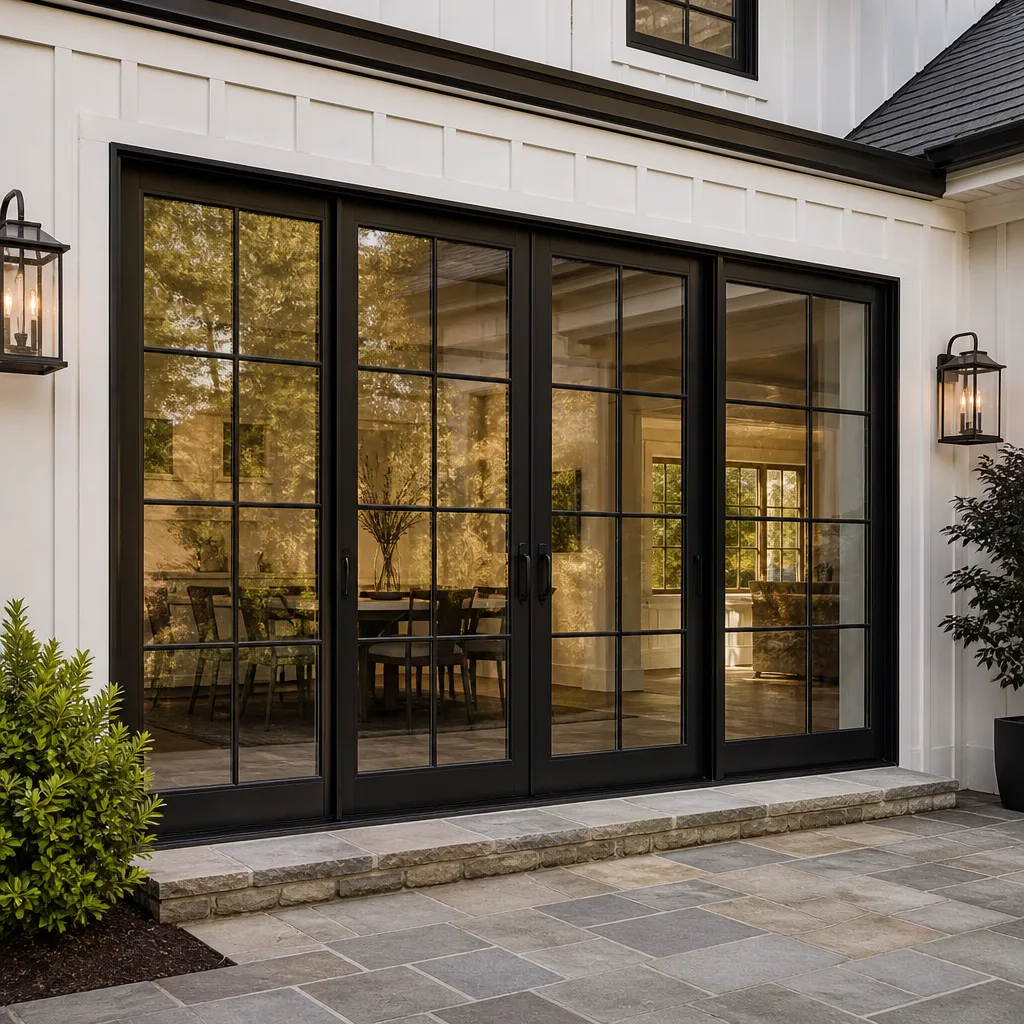 CGI
Free in-home measure and quote - PGT, CGI and CWS impact lines compared on your actual openings, style by style
Get your free estimateWindows & Doors Cost Breakdown: The Roseville Homeowner’s Reference for 2026
Here’s the part of window pricing that surprises most Roseville homeowners: the number on the unit’s spec sheet is the least reliable guide to what your project will actually cost. Two bids for the same six windows in the same Roseville house can sit $4,000 apart without either contractor padding the invoice. The gap usually comes down to labor complexity, the condition of your existing frames, and the difference between a window’s list price and what a specialist who buys across multiple manufacturer lines actually pays. This guide breaks down all eight cost variables that move independently so you can read a bid the way an installer does.
Quick Answer
Window replacement in Roseville in 2026 typically runs about $600 to $1,400 per opening for standard vinyl or fiberglass units, and $1,200 to $2,500 per opening for impact-rated or high-performance glass packages, with entry doors averaging $1,800 to $5,500 installed and sliding doors $2,400 to $7,000. Your final number is set by eight independent variables – material, glass package, opening count, labor complexity, frame condition, permit and inspection, removal and disposal, and finish work – so the written line-item estimate is what actually defines your price. Estimates are free, and every quote we connect you with should be itemized before you sign anything.
Styles & brands we work with
- Single hung
- Double hung
- Horizontal roller
- Casement
- Bay & bow
- Sliding glass doors
- Entry doors
- Impact garage doors
- PGT
- CGI
Table of Contents
- The Eight Variables That Actually Drive Your Price
- What Windows Cost Per Opening in Roseville in 2026
- How Labor Cost Per Opening Changes With the Job
- The Permit and Inspection Line Most Bids Leave Out
- Door Replacement Costs: Entry and Sliding Doors
- Calculating Your True Payback With Roseville Utility Rates
- Manufacturer Financing vs. a Home Equity Line
- How to Read a Bid: A Step-by-Step Walkthrough
The Eight Variables That Actually Drive Your Price
Pricing a window replacement job isn’t a single calculation. It’s eight independent numbers that stack on top of each other, and the reason bids feel opaque is that most homeowners focus on variable one and never ask about two through eight. Here’s what each one does to your total.
- The unit itself. Frame material and glass package. This is where most comparisons stop, and it’s the driving force behind roughly a third of the spread between low and high bids.
- Glass performance package. Standard low-E double-pane versus a higher-performance or impact-rated assembly. Impact-rated lines through PGT and CGI sit at a different price tier than thermal-only packages.
- Opening count. Cost per opening drops as the count rises because mobilization and setup get spread across more units. A three-window minimum job carries a higher per-window figure than a whole-house project.
- Labor complexity. Second-story openings, tight lot access, and non-standard sizes each add labor hours per opening.
- Existing frame condition. A clean full-frame removal and replacement is one price. Rot, settling, or a retrofit that fights the existing opening is another.
- Permit and inspection fees. A real line item that some bids quietly omit.
- Removal and disposal. Haul-away of old units, glass, and debris.
- Finish work. Interior trim, exterior capping, and paint touch-up around each opening.
When you price-shop only on variable one, you’re comparing a number that’s about a third of your total. The other seven are where the $4,000 gaps live. Our approach at Roseville Window Replacement Pros is to specify the product after we understand the problem, not before – because two houses on the same Roseville street can need very different labor and frame strategies for the same window count.
What Windows Cost Per Opening in Roseville in 2026
Per-opening pricing in the Roseville market breaks down by frame material and glass package, and each material sits in its own band. These are typical installed ranges for 2026, and the spread within each band is legitimate variation from labor, frame condition, and finish work – not contractor padding. The written estimate always sets your final price.
| Frame Material | Typical Installed Range Per Opening | What Drives Position in the Range |
|---|---|---|
| Vinyl | $600 – $1,100 | Opening size, single vs. double hung, finish work |
| Fiberglass | $800 – $1,400 | Frame profile, color, glass package |
| Wood-clad | $1,000 – $1,800 | Species, interior finish, exterior capping |
| Aluminum (thermally broken) | $900 – $1,600 | Frame thickness, anodized vs. painted finish |
Now stack the glass package on top:
- Standard double-pane, low-E: typically included in the ranges above. The baseline most bids quote.
- High-performance thermal package: adds roughly $150 to $350 per opening depending on frame material and assembly.
- Impact-rated glass: adds roughly $300 to $700 per opening. Available through the PGT and CGI lines we carry, and specified when the performance requirement calls for it rather than defaulted to because of inventory.
Carrying both impact-rated and thermally efficient lines side by side matters here. A Roseville homeowner on a shaded north-facing wall and a homeowner on a sun-baked west-facing wall don’t need the same glass, and the right answer depends on the wall, not on what a single-brand dealer happens to stock. Our roster spans eight manufacturer lines – PGT, CGI, CWS, ES Windows, ECO Window Systems, Mr-Glass, Therma-Tru, and ViewLux – which lets the job dictate the product. For a deeper look at what window replacement involves in this market, that page walks through the process in more detail.
How Labor Cost Per Opening Changes With the Job
Labor is the variable that moves the most between two identical-looking bids, and in California’s wage environment the swing is real. A single-story first-floor opening and a second-story opening with a tight side-yard approach can differ by $200 to $400 per opening in labor alone. Here’s what drives it.
- Window type. A fixed picture window installs in a fraction of the time a sliding or casement unit takes. Operable hardware, tracks, and alignment add labor hours.
- Floor level. Second-story work needs ladders, staging, and often two installers on the exterior. First-floor work on slab can often be done with one installer and a helper.
- Existing frame condition. A pocket replacement inside a sound existing frame is fast. A full-frame replacement where the old frame is going means cutting back to the rough opening, reframing, and re-flashing – which can double or triple the labor per opening.
- Access. A wide, unobstructed side yard lets a crew stage materials close to the work. A narrow passage behind a fence line means carrying every unit by hand.
- Interior condition. Opening reveal, trim removal, and drywall patching all add time. Homes with plaster rather than drywall around openings often need extra patching labor.
In our experience across Roseville homes, the labor line is where a bid that looked $1,500 cheaper on the unit price catches up. A quote built on pocket replacements and a quote built on full-frame replacements are two different jobs with two different numbers – and you should always ask which one you’re getting. That’s why window installation scope should be spelled out per opening in any bid you receive.
California’s wage environment also affects labor pricing in a way national averages don’t capture. Installers here are paid California wages, and a bid that looks low on labor is usually low because it’s cutting scope, not because the crew is working for less. Ask specifically: how many installers per opening, how many days on site, and what’s included in the scope.
The Permit and Inspection Line Most Bids Leave Out
Most cities require a permit for window and door replacement, so ask your city’s building department directly about Roseville’s current requirements and fees for your scope of work. The reason this matters to your bottom line is simple: a bid that omits the permit line isn’t saving you money, it’s deferring a cost that surfaces later – and it can surface in an inconvenient way.
When a permit is missing and the work is already in, the path to correction can mean pulling the permit after the fact, an inspection on completed work, and in some cases removing and reinstalling to allow the inspector to see the installation. That last scenario is the expensive one: a job that had to be redone costs more than the permits saved, plus the schedule delay.
What a bid should include on the permit front:
- The permit fee, itemized. Not folded into a lump sum, and not absent.
- Who pulls the permit. The installer, not you. A professional pulls it in their name so the inspection reflects their work.
- The inspection, passed. Confirmation that the work will be inspected and signed off before final payment.
- A copy of the permit and final inspection sign-off in your records. This matters at resale more than most homeowners realize.
If you receive a bid that doesn’t mention permits at all, that’s the first question to ask. Any vetted local professional we connect you with pulls the permit as part of the job and passes the inspection before the project closes, and the written line-item quote should show the permit fee as its own line. Roseville homeowners who compare bids on this point alone often find the “cheaper” bid wasn’t cheaper – it was just incomplete.
Door Replacement Costs: Entry and Sliding Doors
Door pricing follows its own logic, and it’s worth its own section because entry and sliding doors sit in a different cost band than windows. Full-envelope work under one specialist means no handoff gaps between trades, and it means the door scope gets priced with the same per-opening discipline as the windows.
Typical 2026 installed ranges in the Roseville market:
- Entry doors, standard steel or fiberglass: $1,800 – $3,500 installed, depending on door slab, frame, and hardware package.
- Entry doors, premium fiberglass with dedicated door line: $3,000 – $5,500 installed. The Therma-Tru fiberglass line we carry is an upgrade path beyond standard wood or steel, with the finish and thermal performance to justify the tier.
- Sliding doors, standard: $2,400 – $4,500 installed, driven by panel width, track system, and glass package.
- Sliding doors, high-performance or impact-rated: $4,000 – $7,000 installed.
Three things move the door number more than homeowners expect:
- Opening condition. A door that swings level in a sound frame is one price. A door with a settled frame, rot at the sill, or an out-of-square opening needs work before the new door goes in.
- Hardware and finish. A quality lock set, multi-point hardware, and factory finish add real dollars that a bare slab price won’t show.
- Glass in the door. A decorative glass insert or a high-performance glazed panel moves the price the same way a window glass package does.
For more on scope and product options, the door replacement page covers entry and sliding door work in detail. The full-envelope point matters here: a homeowner replacing windows and doors together avoids the scheduling gaps and scope overlap that come from hiring two separate contractors – and it keeps the finish details consistent across every opening.
Calculating Your True Payback With Roseville Utility Rates
National DOE averages are a poor guide to payback in Roseville. Energy costs here don’t track the national mean, and the value of a glass upgrade depends on which direction your openings face and how much direct sun they take. Here’s how to estimate payback on your own house rather than on a national figure.
Step 1: Pull your last twelve months of utility bills and add them up. That’s your actual annual baseline, not an estimate.
Step 2: Get a rough read on what share of your energy spend goes to heating and cooling. You don’t need a blower-door test – look at the seasonal swing in your monthly bills. The difference between your highest summer bill and your lowest shoulder-season bill tells you roughly how much is climate-driven.
Step 3: Estimate the achievable reduction. A well-specified window package on a home with single-pane glass can meaningfully cut the climate-driven share of your bill, but not the whole bill. A reasonable planning figure is a fraction of the climate-driven share, not a percentage of the total.
Step 4: Divide your project cost by the annual savings figure. That’s your simple payback in years.
Step 5: Ask about west- and south-facing openings separately. Those walls carry the most cooling load in a Roseville summer, and a glass upgrade there usually pays back faster than a shaded north wall. Specifying glass by orientation is one of the practical advantages of carrying both thermal and impact-rated lines – the right unit gets chosen by the wall it’s going into.
One more thing: payback is only part of the return. Windows and doors also get credit at resale, and the permit and inspection record from a professionally installed job is a document buyers ask for. But be cautious with any payback estimate that quotes a fixed percentage. Yours depends on your house, and the written estimate – not a generic figure – is where the planning should start.
Manufacturer Financing vs. a Home Equity Line
The financing comparison is the one almost no sales pitch includes, and it can cost more than the window upgrade it’s paying for. Here’s the honest version.
Manufacturer financing programs are convenient: they’re offered at the point of sale, they’re unsecured, and approval is often quick. The catch is total interest. A same-as-cash promotional period looks free until the rate resets at the end of the term, and deferred-interest structures can retroactively apply interest to the full original balance if you don’t clear it in the promotional window. Read the terms carefully and calculate the total of payments, not the monthly payment.
A home equity line is secured against your house, which means a lower rate in most cases but also means your house is the collateral. It’s typically a variable rate, so the total interest depends on how rates move over the repayment period. On a multi-window project, the difference in total interest between a manufacturer program and a home equity line over a three- to five-year repayment period can be significant.
Three questions to ask before signing either:
- What’s the total of all payments? Monthly payment tells you nothing about cost.
- What’s the rate after any promotional period? And does deferred interest apply retroactively?
- Are there prepayment penalties? If you plan to pay it off early, this matters.
None of this is a reason to avoid financing. It’s a reason to compare the total cost the way you’d compare two window bids – line by line. The right financing tool is the one whose total interest is lowest for your repayment timeline, not the one with the smallest monthly payment at the kitchen table.
How to Read a Bid: A Step-by-Step Walkthrough
A good bid is a document you can compare line by line against another bid. If two quotes can’t be compared that way, they’re not bids, they’re estimates with a number on them. Here’s how to read one in order.
- Count the openings. Every window and door on the bid should be listed individually with its size, type, and location. If the bid says “six windows,” ask for a line per opening.
- Check the per-opening price. Divide the unit-and-install total by the opening count. If one bid’s per-opening price is $200 lower than another’s, ask why before assuming it’s a better deal – it usually means a different window, a different glass package, or a different scope.
- Read the scope per opening. Pocket replacement or full-frame? Are interior trim and exterior capping included? What about paint touch-up? Each missing item is a future cost.
- Find the permit line. If it’s absent, ask. If it’s present, confirm the installer is pulling it.
- Find the removal and disposal line. Haul-away should be explicit.
- Check the glass specification. The bid should name the glass package per opening, not just the frame material. “Standard” isn’t a specification.
- Confirm the warranty terms. Workmanship warranty and manufacturer warranty are two different documents. Both matter, and both should be in writing.
- Look for change-order language. A bid should say what happens if the opening condition turns out worse than the bid assumed. Fixed pricing with no change orders is the standard you want – and it’s the one we hold the local pro to.
Two bids built this way are genuinely comparable. Two bids that skip any of these lines are not, no matter how close the bottom number looks. The right product for your opening follows a clear scope and glass specification – not the other way around. Any vetted local professional we connect you with is licensed and insured as their state requires, and every quote comes as a free, written, line-item estimate.
One more thing to settle early: this is a replacement and installation specialist, not a general remodeler. Replacement projects carry a three-opening minimum – three windows or doors, not one. That’s not a limitation to work around, it’s why the per-opening pricing holds up: a small-project minimum keeps the per-opening labor from carrying a mobilization premium that would make a single-window job economically poor for you and the installer both. Plan the project as a group of openings, and the per-opening number settles into the ranges above.
Common Mistakes to Avoid
- Comparing bottom-line totals instead of per-opening prices. A bid that’s $4,000 lower on total but covers four windows instead of six isn’t cheaper, it’s smaller. Always compare the per-opening price and the scope behind it. In Roseville, this is the single most common way homeowners misread a bid.
- Choosing the unit first and the glass package second. The glass package is roughly a third of your performance outcome and a meaningful chunk of your price. Fixing the frame material before the glass package is chosen for each wall leaves real savings and real comfort on the table.
- Not asking about the permit line. Most cities require a permit for this work, so a bid without one isn’t saving you money. It’s deferring the cost to a point when correcting it may mean redoing the work.
- Shopping on monthly financing payment instead of total interest. The smallest monthly payment often carries the largest total cost. Add up every payment across the term before you compare financing offers.
- Ignoring which openings need what glass. A Roseville house with west- and south-facing walls and a shaded north wall doesn’t need one glass specification across every opening. Asking for a per-orientation recommendation is part of what the estimate is for.
- Taking a single-brand quote at face value. A single-brand dealer can only solve the problem with the product they carry. With eight manufacturer lines on the roster, the right unit gets chosen for the job. Ask which lines the bid was specified from and why.
- Assuming pocket replacement is always the right scope. A pocket replacement inside a sound existing frame is the fast, economical path – and usually the right one. But if the existing frame has rot or has settled, a pocket replacement can look cheaper and fail sooner. The bid should say which scope applies and show the frame condition that drove the decision.
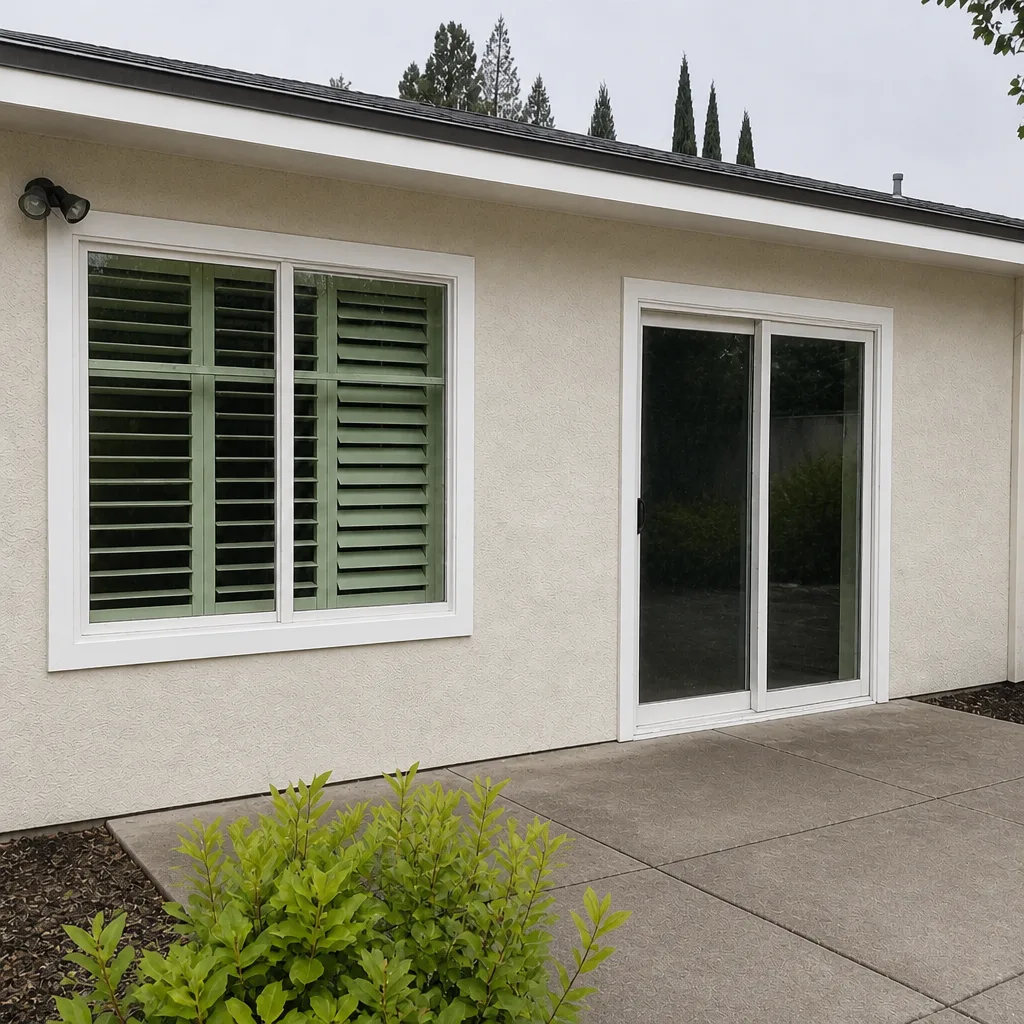
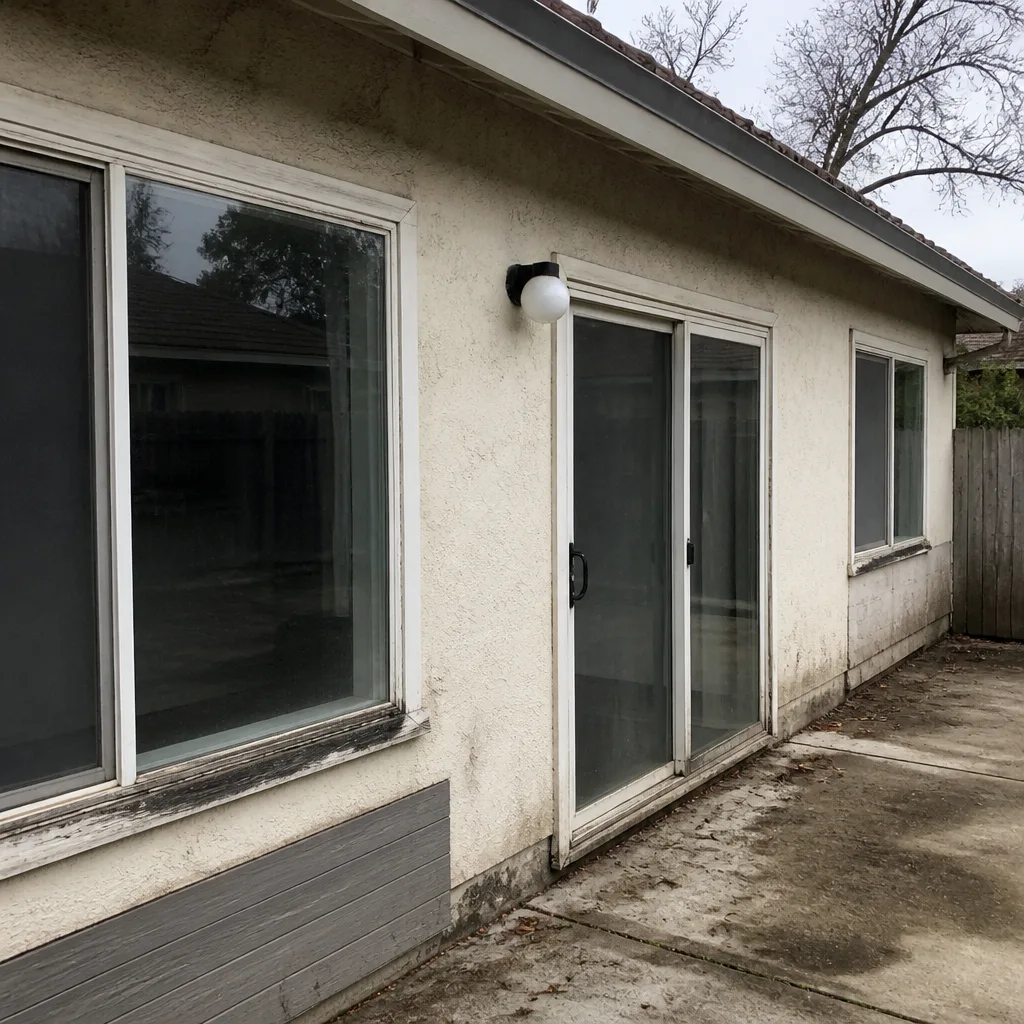
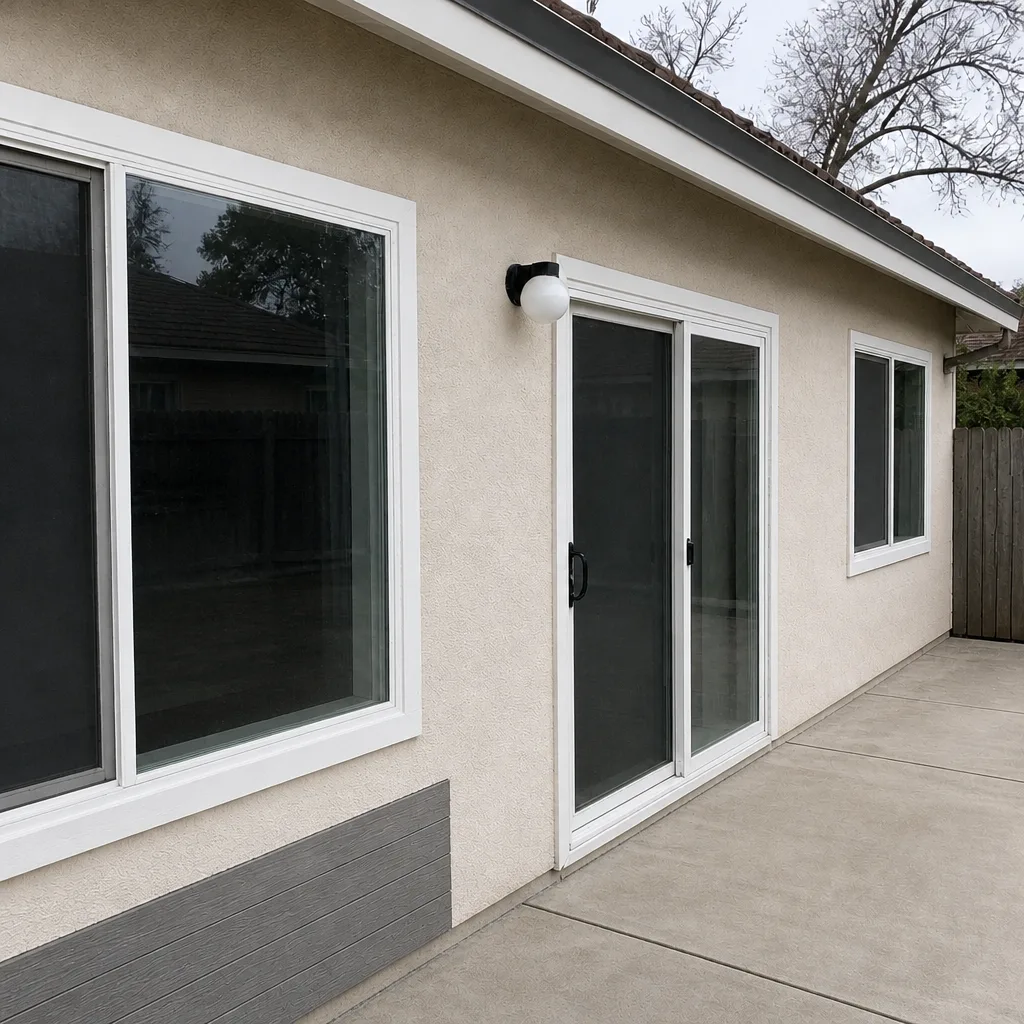
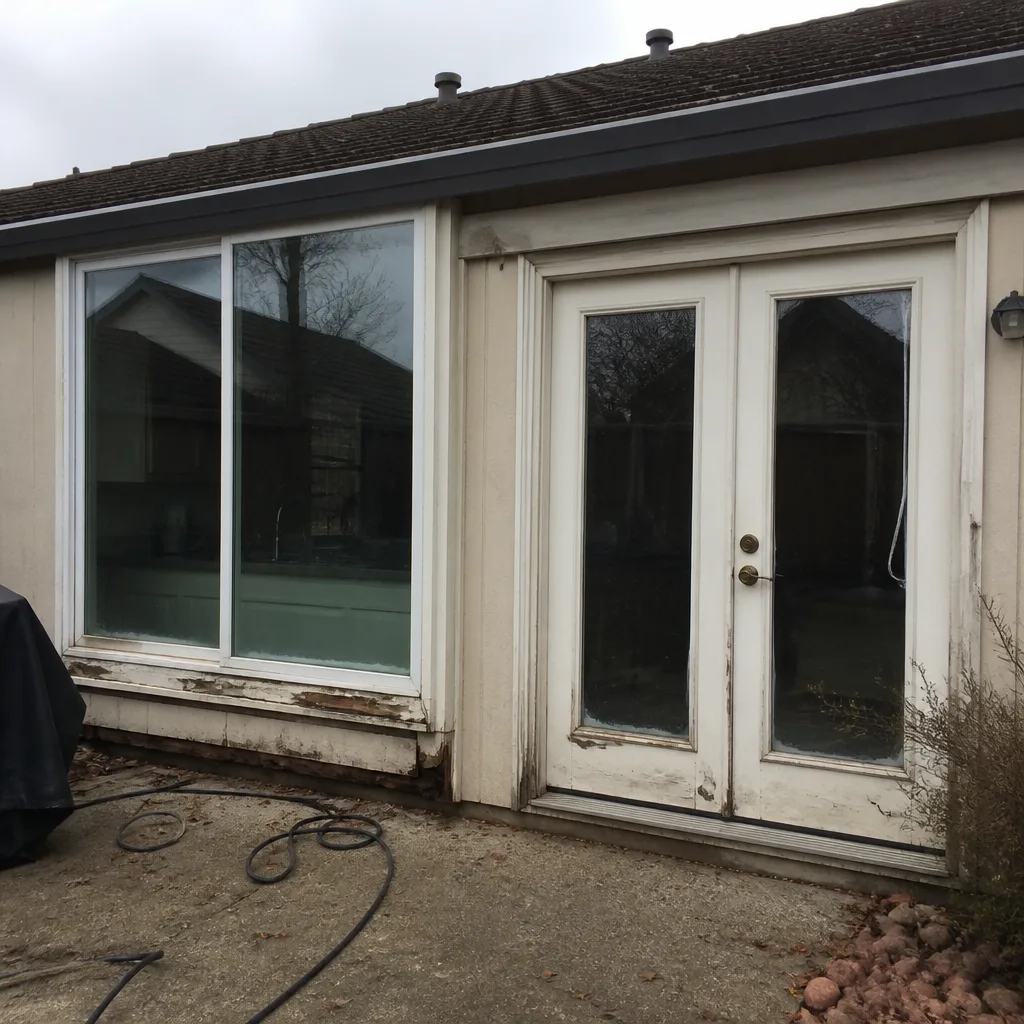
See the difference
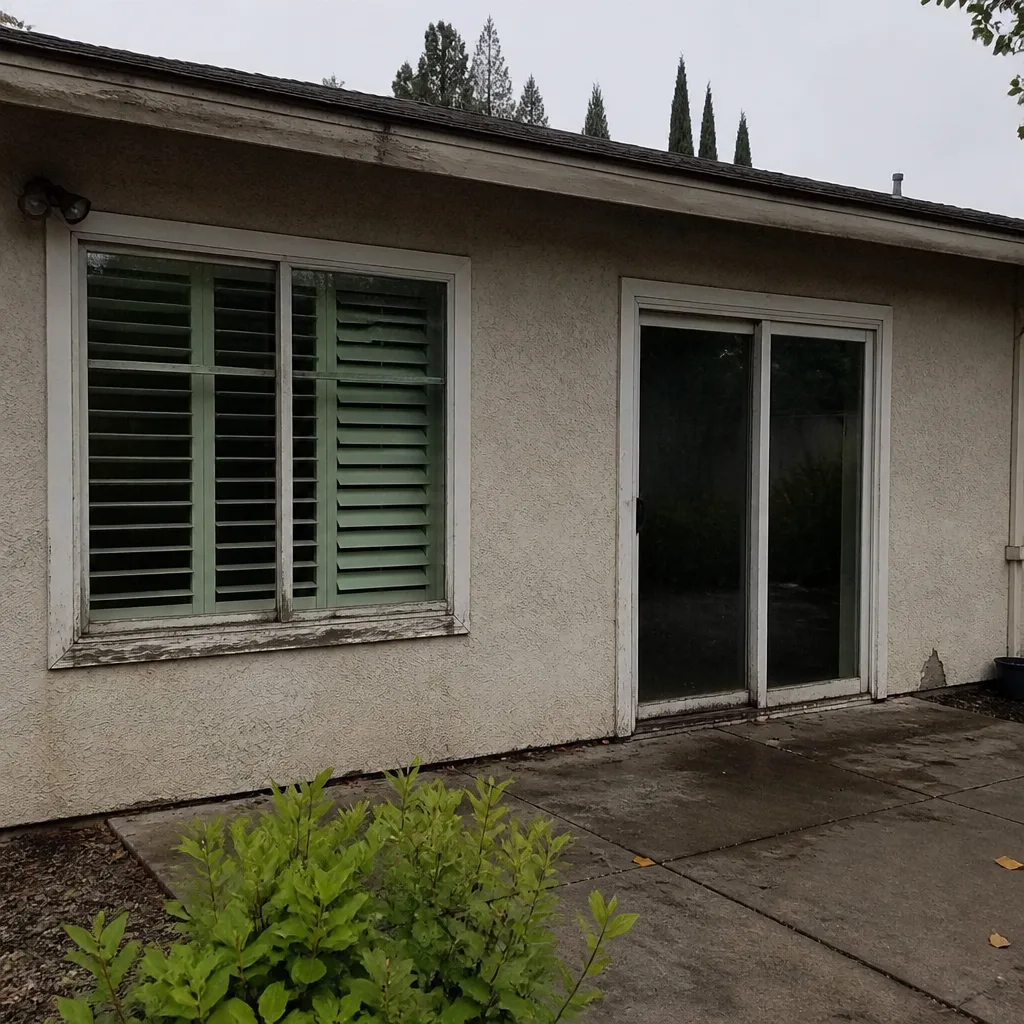 Before
 After
 Before
 After
 Before
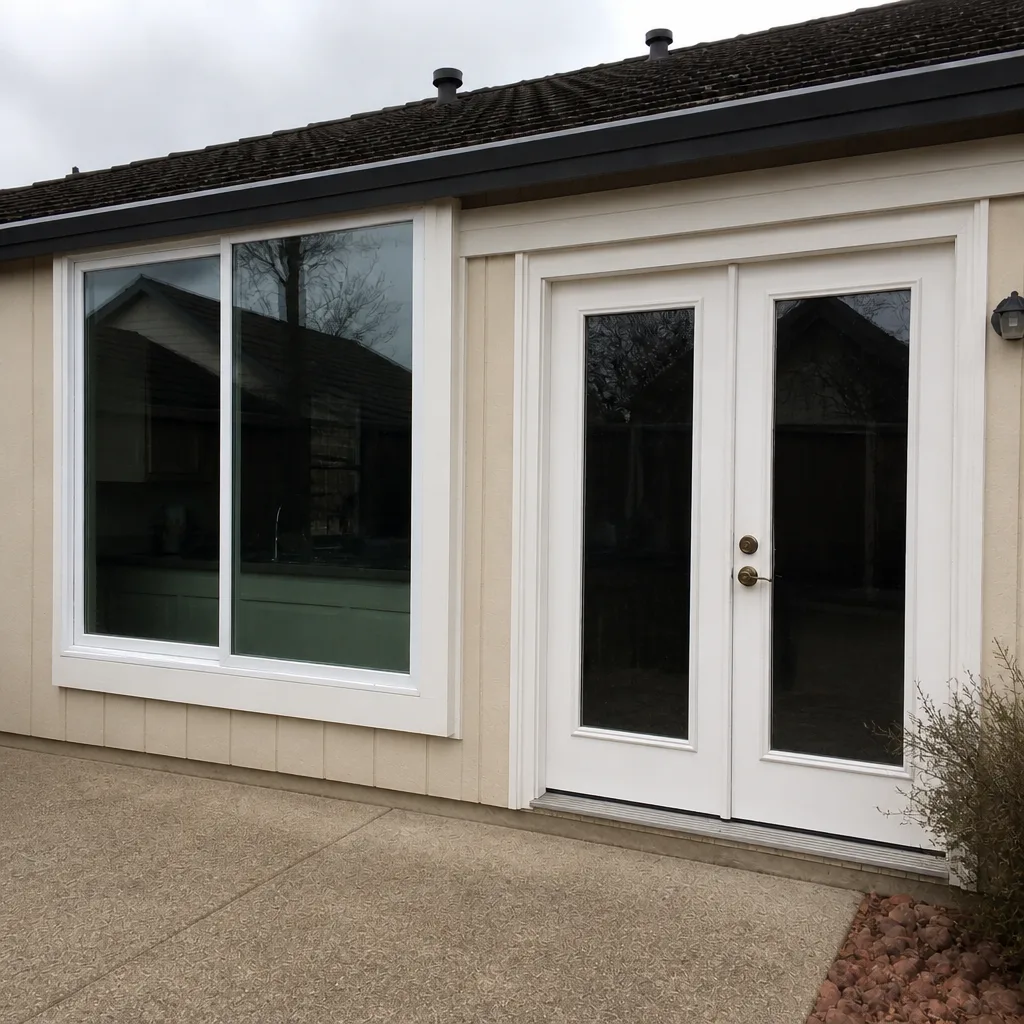 After
When to Call a Professional
Some window and door decisions are genuinely fine to make on your own – a paint touch-up, a hardware adjustment, a screen swap. Others aren’t. Call a professional when the glass unit has failed (fogging between the panes, a draft you can feel at the frame, condensation that won’t clear), when a door won’t sit level in its frame no matter what you adjust, or when you’re planning a replacement of three or more openings and need the scope priced properly. Replacement and installation work that involves cutting into a rough opening, re-flashing an exterior, or dealing with a settled frame is a job for a trained installer – the work touches the building envelope, and a shortcut on flashing shows up as a water problem a season later. Roseville Window Replacement Pros offers free estimates in Roseville – call (279) 529-6442 to schedule yours, and bring your opening count and a photo of each unit to the call if you can.
Frequently Asked Questions
Window replacement in Roseville typically runs $600 to $1,400 per opening for standard vinyl or fiberglass, and $1,200 to $2,500 per opening for impact-rated or high-performance glass packages. The spread reflects frame material, glass package, labor complexity, frame condition, and finish work – not contractor padding. Call (279) 529-6442 for an exact quote – estimates are free.
Because they’re rarely bidding the same job. Labor complexity, existing frame condition, glass specification, and the permit line move independently, and each one shifts the total. A $4,000 gap usually means one bid is a pocket replacement on a sound frame and the other is a full-frame replacement with capping and trim included. Call (279) 529-6442 for an itemized quote – estimates are free.
Yes. Most cities require a permit for this work, and any vetted local professional we connect you with pulls the permit in their name and passes the inspection before the project closes. Ask your city’s building department directly about Roseville’s current requirements for your scope. Call (279) 529-6442 for a quote that includes the permit line – estimates are free.
A typical project of six to twelve openings takes several working days on site, with the exact timeline depending on opening count, floor level, and whether the scope is pocket or full-frame. Permits and inspections add time to the front of the project. Call (279) 529-6442 for a schedule estimate on your opening count – estimates are free.
Our roster spans eight manufacturer lines – PGT, CGI, CWS, ES Windows, ECO Window Systems, Mr-Glass, Therma-Tru, and ViewLux – carrying both impact-rated and thermally efficient product side by side. That breadth lets the job dictate the product instead of the product dictating the job. Call (279) 529-6442 to talk through which line fits your openings – estimates are free.
Rarely. A low per-opening price usually means a lower glass specification, a pocket scope where a full-frame scope is needed, or a missing permit line. Comparing line-item scope per opening is the only honest comparison. Call (279) 529-6442 for a written line-item quote – estimates are free.
The Bottom Line
Window and door pricing in Roseville looks opaque, but the mechanics aren’t hidden – there are just eight variables that move independently, and most homeowners focus on the one that matters least. The unit’s list price is roughly a third of your total. Labor, frame condition, glass specification, the permit line, and removal and disposal carry the rest, and the $4,000 gaps between bids live there. Read every quote per opening, ask for the glass specification and the permit line, and compare financing on total interest rather than monthly payment. Estimates are free, the written line-item quote sets the final price, and the right product gets chosen for your opening after the scope is clear. For a free estimate on your project, call Roseville Window Replacement Pros at (279) 529-6442. Our technicians have up to 13 years of experience, and the Roseville Window Replacement Pros team is ready to walk through your openings with you. Replacement done right the first time starts with a bid you can actually read.
Written by the team at Roseville Window Replacement Pros.