Last updated November 25, 2026
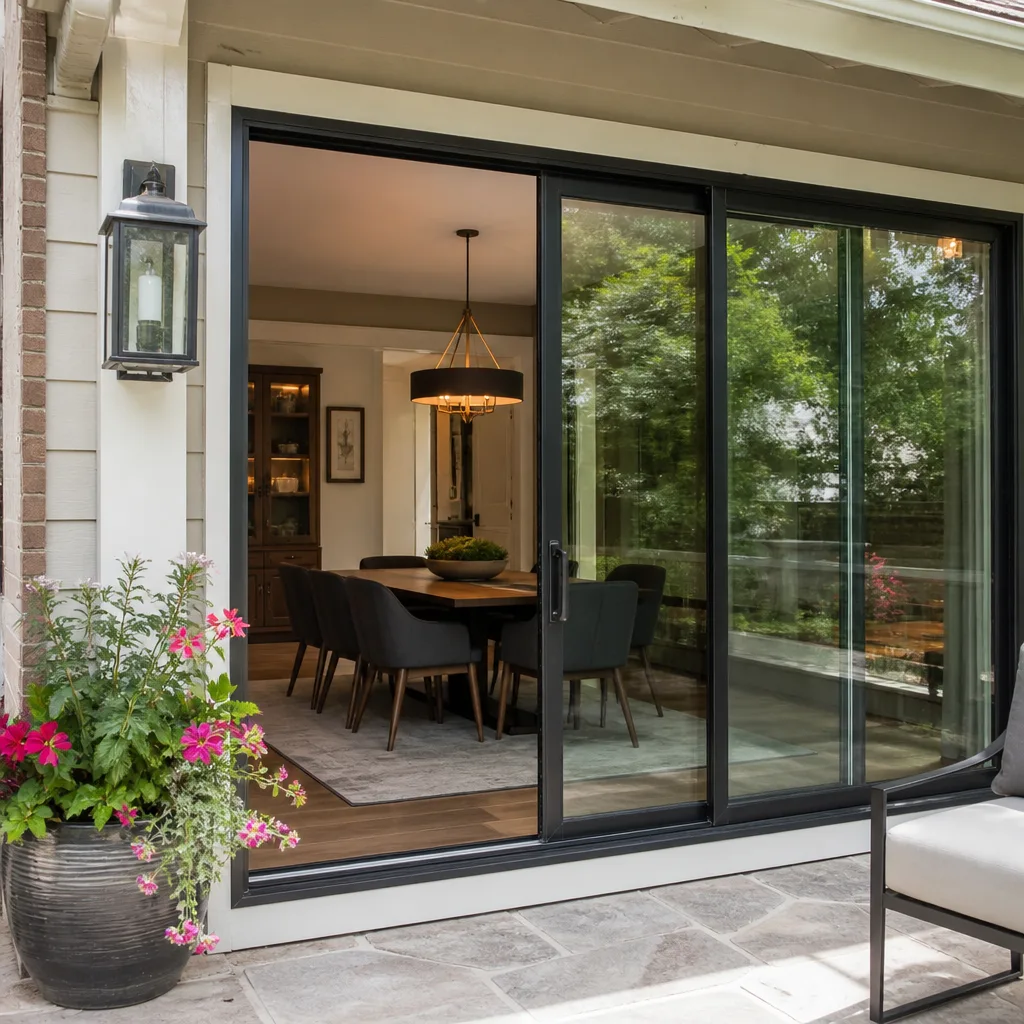 Sliding glass doors
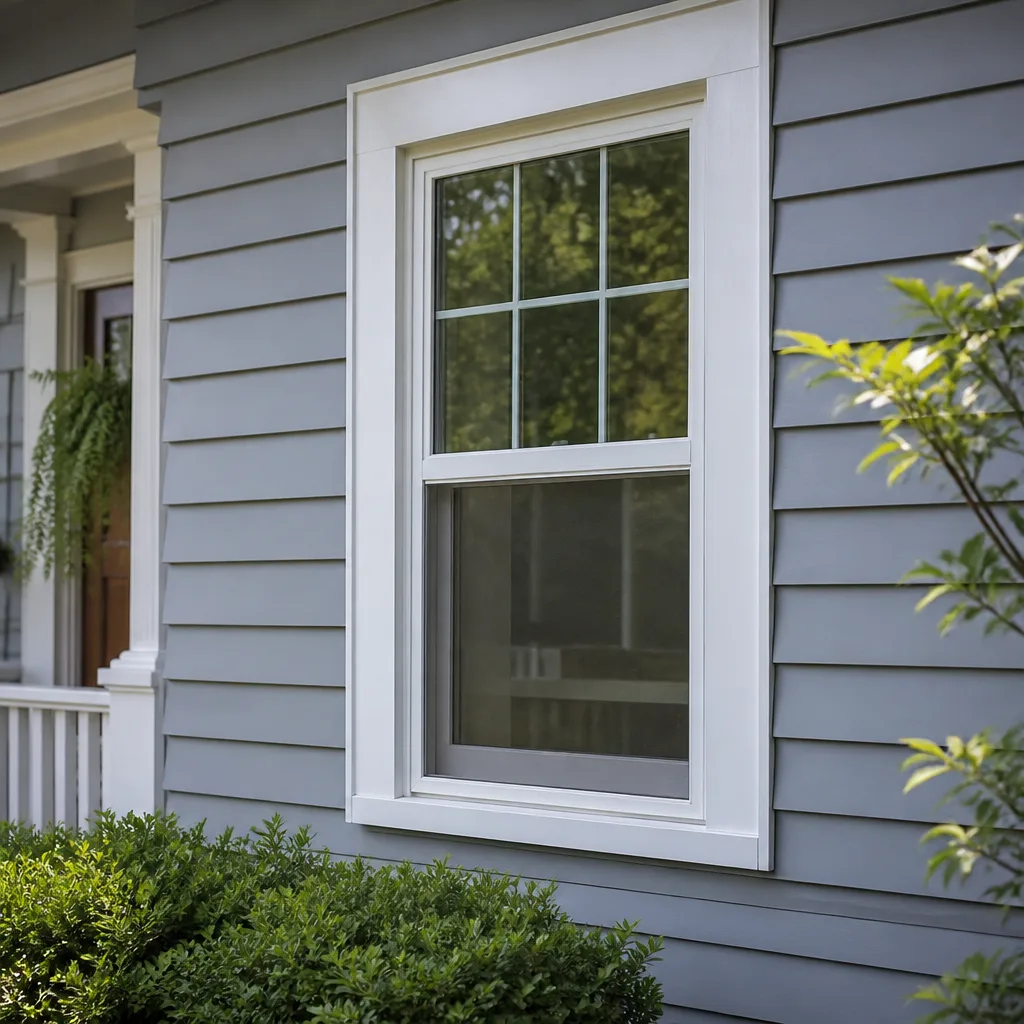 Single hung
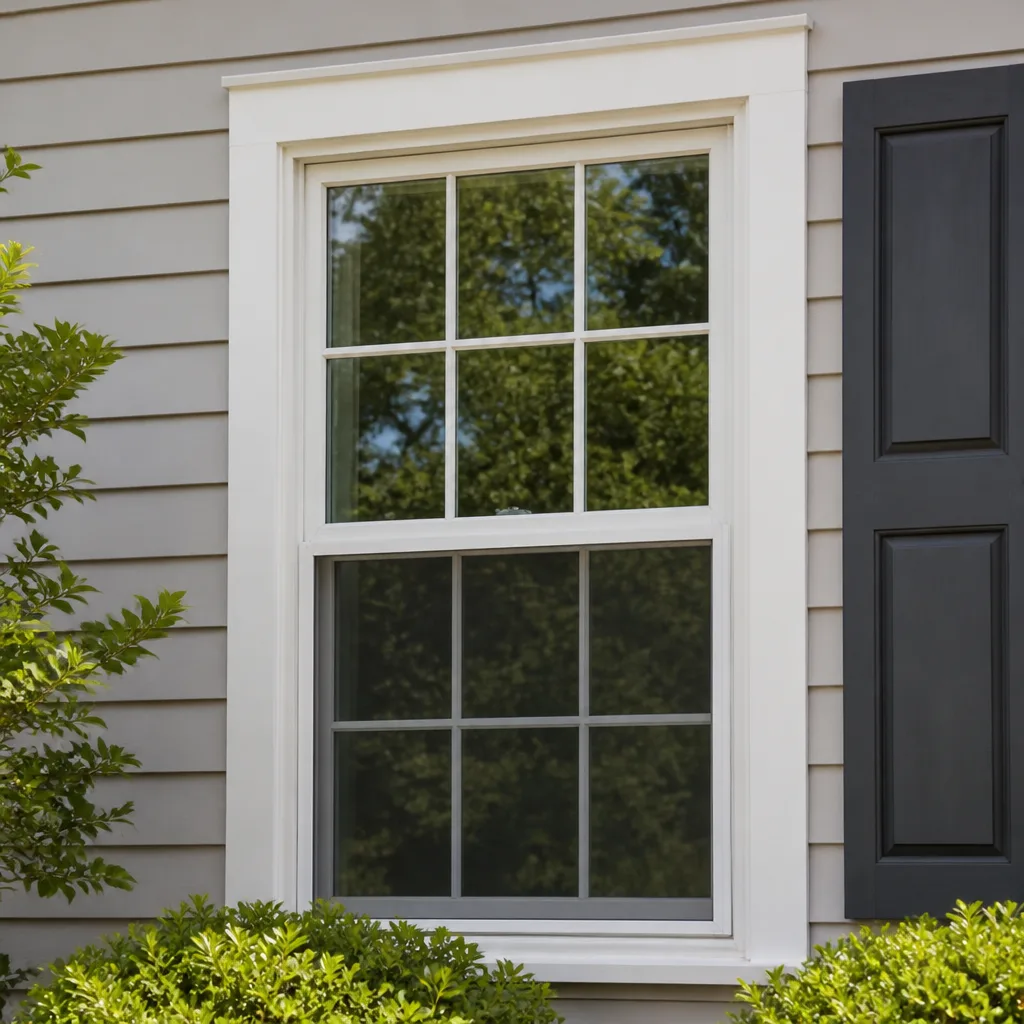 Double hung
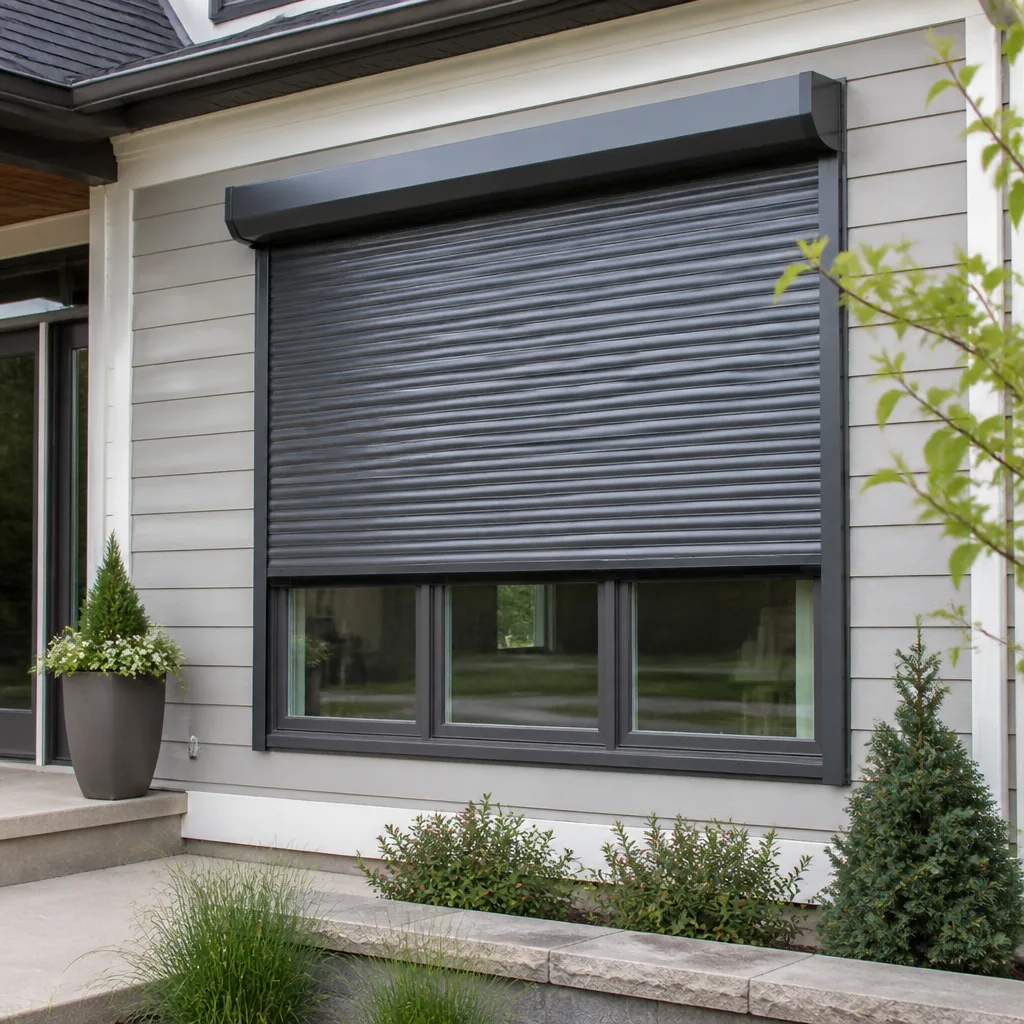 Horizontal roller
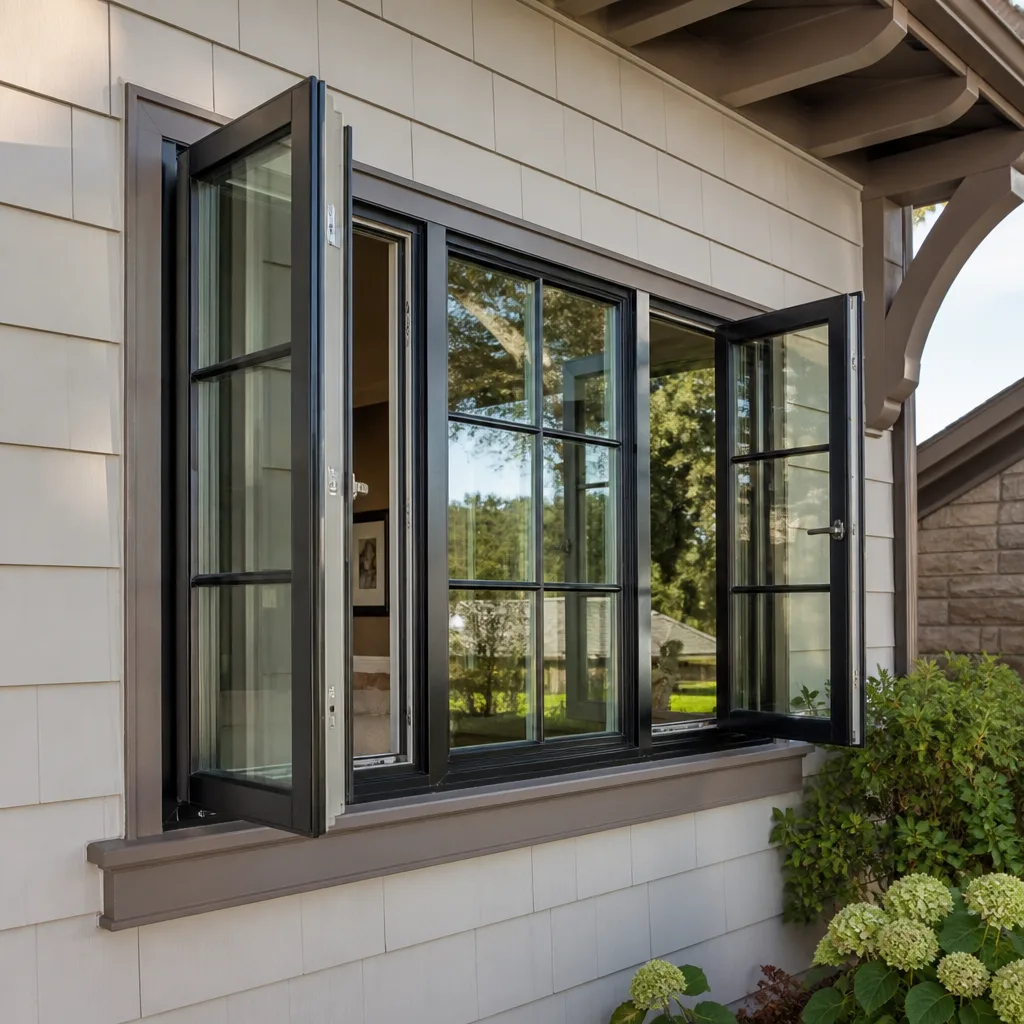 Casement
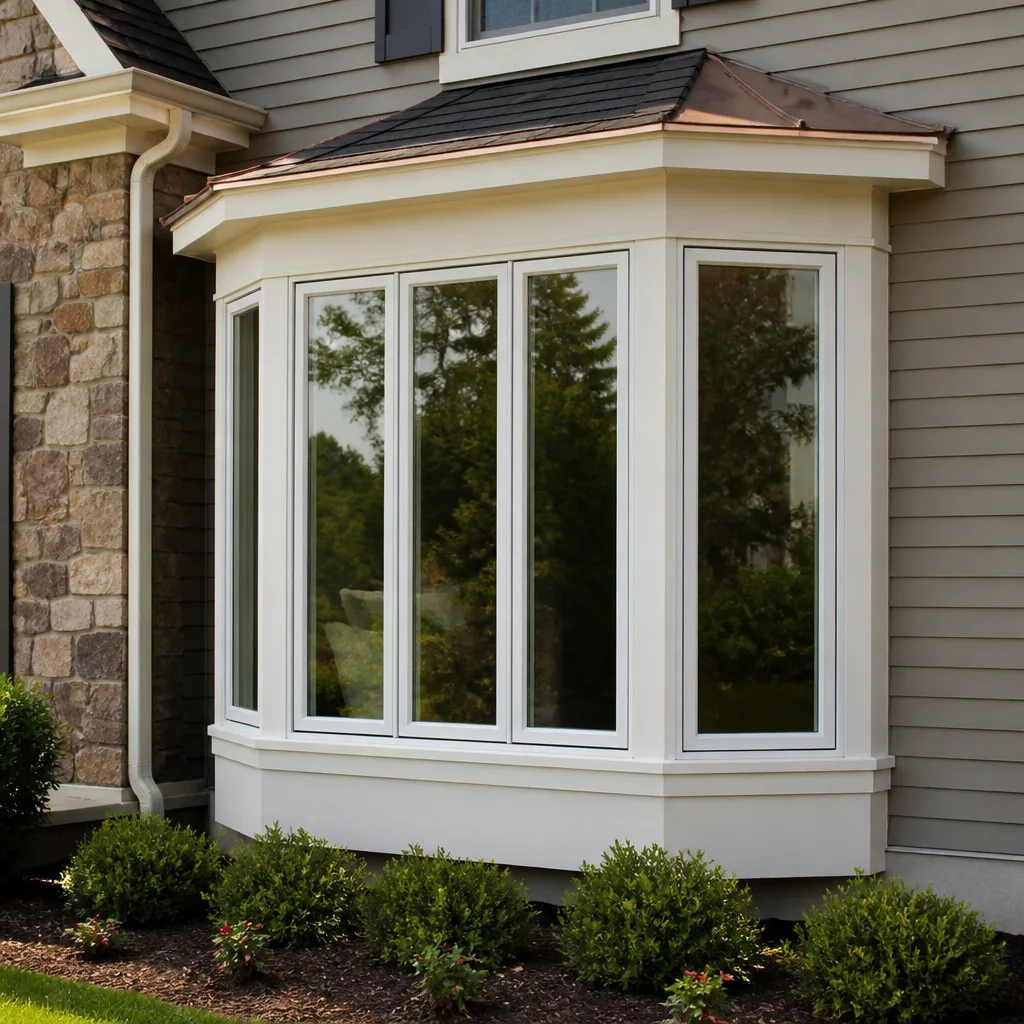 Bay & bow
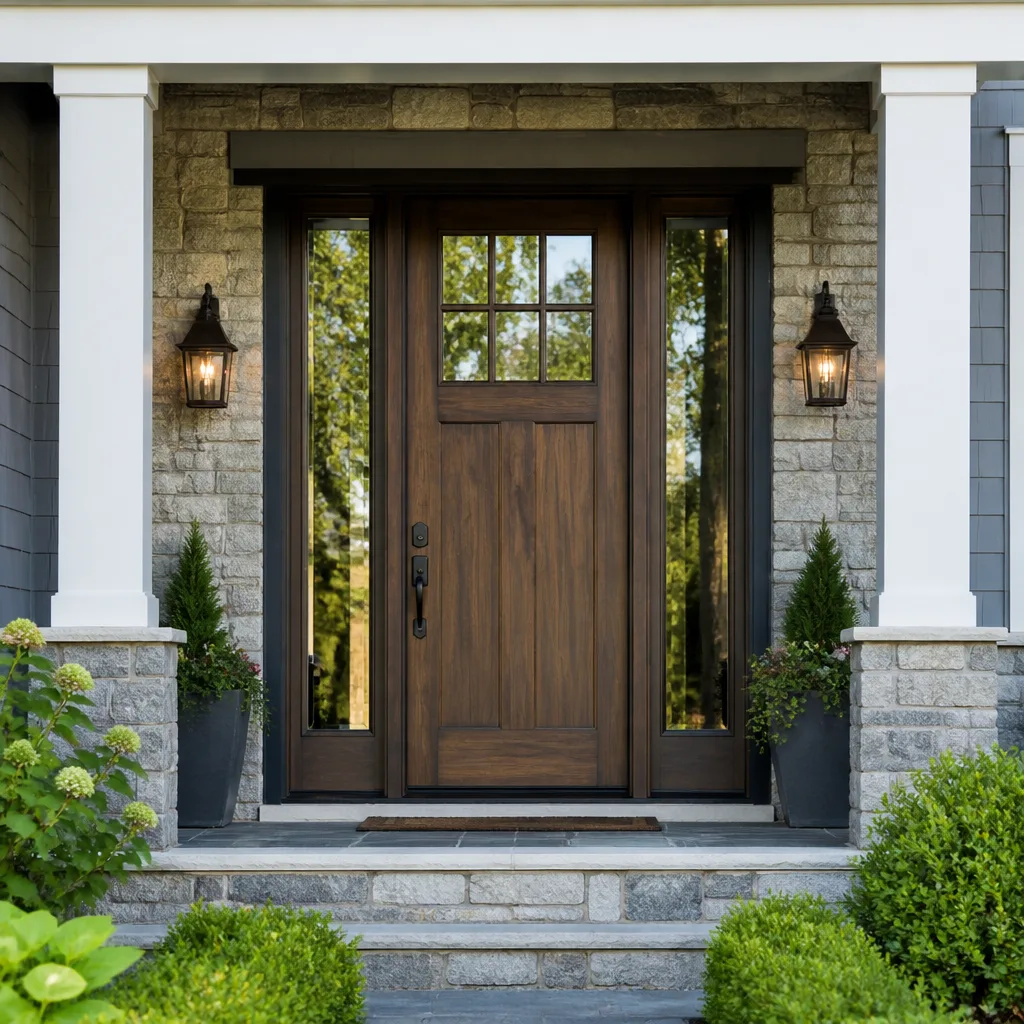 Entry doors
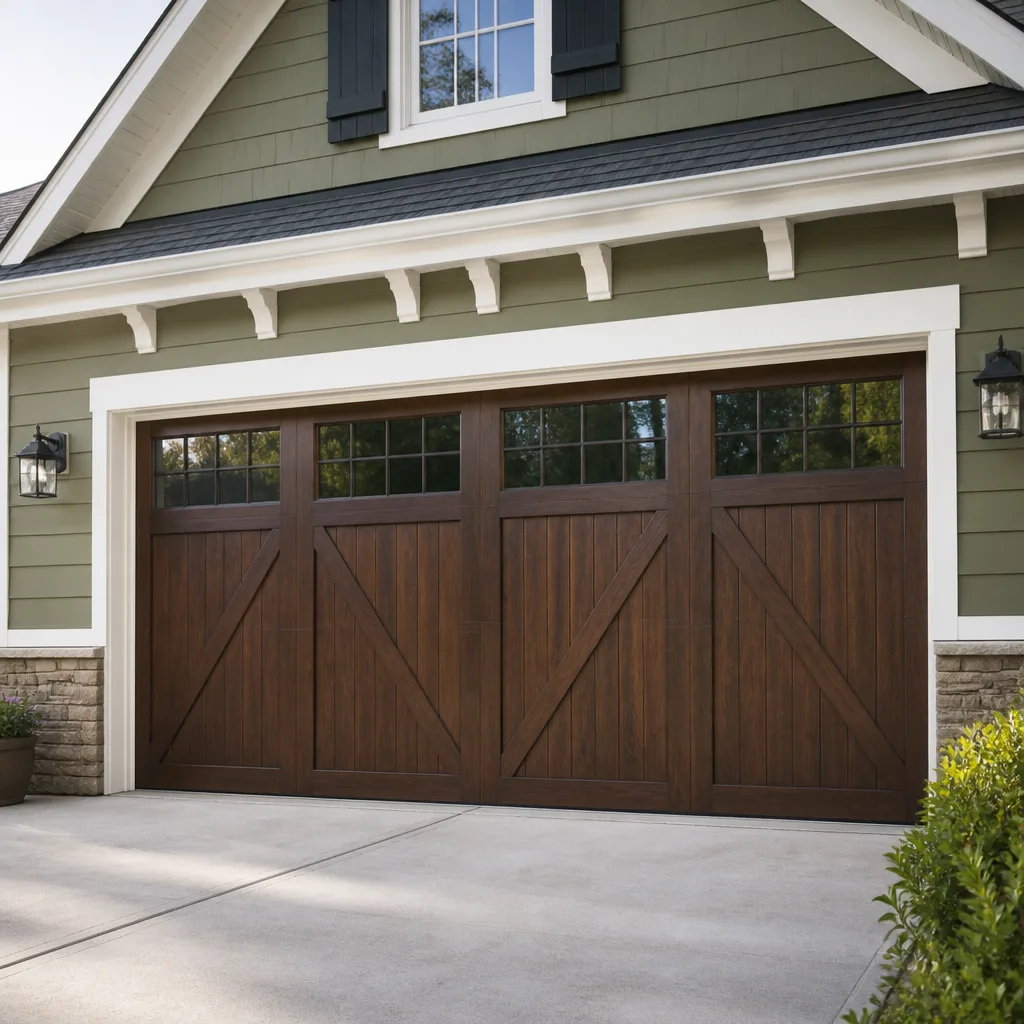 Impact garage doors
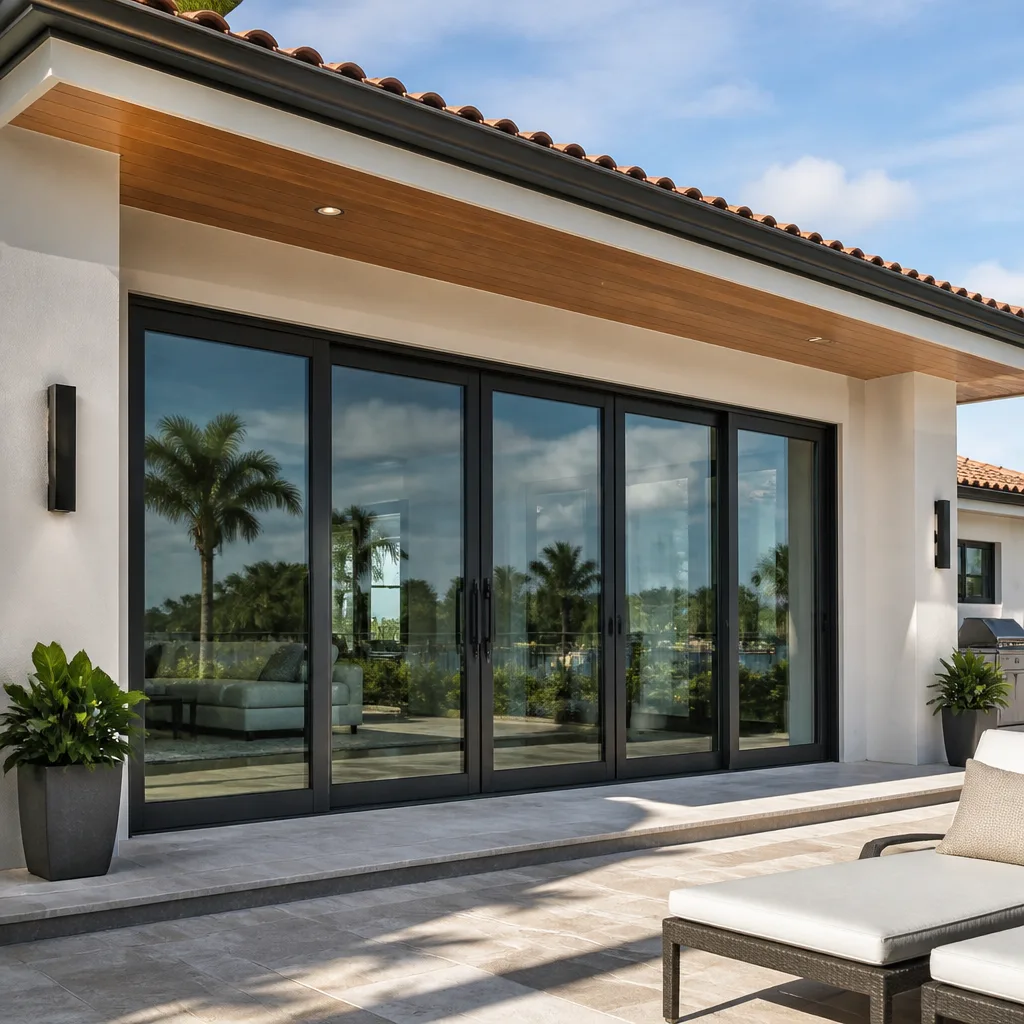 PGT
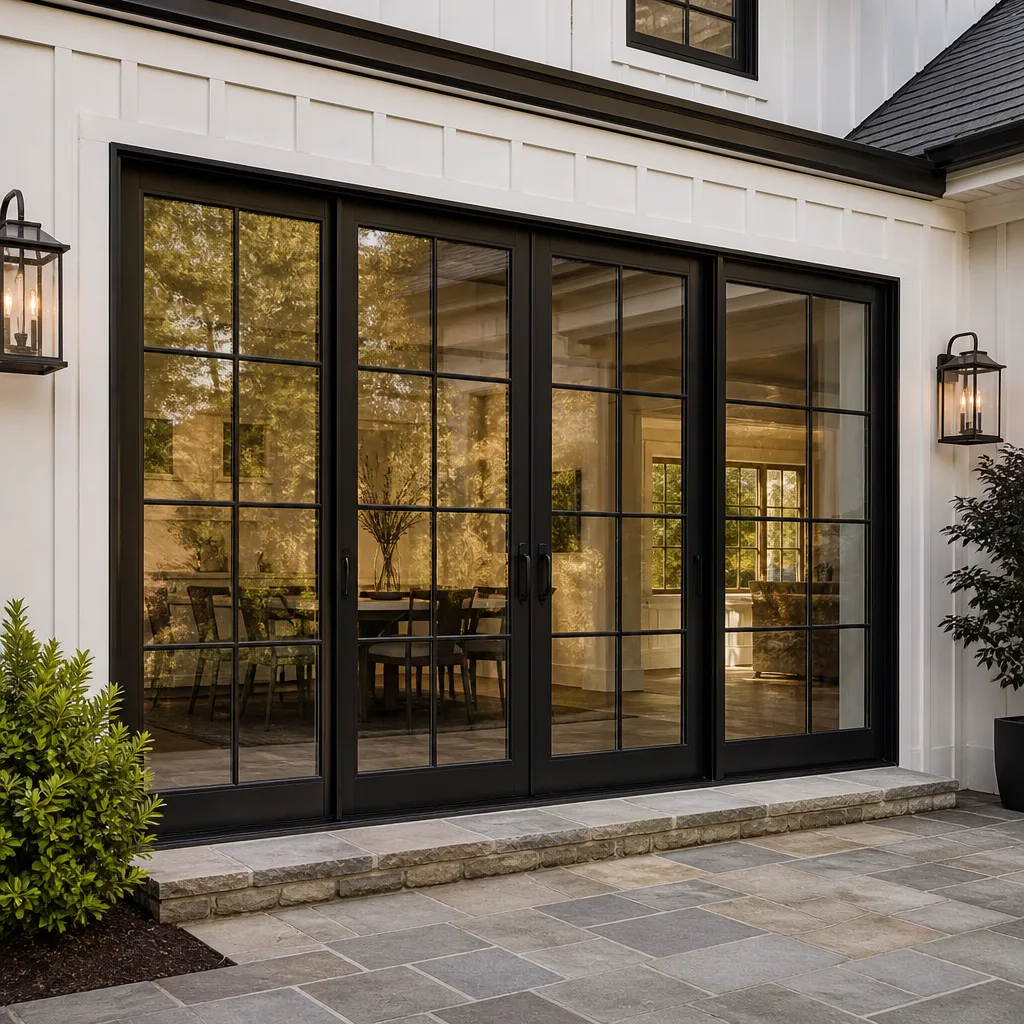 CGI
Free in-home measure and quote - PGT, CGI and CWS impact lines compared on your actual openings, style by style
Get your free estimateWindows & Doors Warning Signs: A Roseville Homeowner’s Reference Guide
A window that fogs between the panes is annoying and, in almost every case, not urgent. A window that’s slightly harder to lock than it was six months ago is a different animal entirely – it can predict water intrusion, structural movement, or an installation that never sat right in the first place. Yet most advice about window and door problems points homeowners toward the visible symptoms and skips the quiet ones that actually matter. This guide walks through the signals worth watching for in a Roseville home, how to test for them yourself, and when a replacement makes more sense than another round of patching.
Quick Answer
The warning signs that matter most on Roseville windows and doors are mechanical, not cosmetic: increasing resistance when locking a window or latching a door, creaking at the sill that shows up during ordinary temperature swings, paint bubbling or drywall softening in a pattern that points to the opening rather than the roof, and energy bills that climb hardest in one season instead of both. Fogged glass is a comfort issue; a frame that no longer locks cleanly is a structural one. When you find two or more of these signs on the same opening, it’s time to get the unit looked at.
Styles & brands we work with
- Single hung
- Double hung
- Horizontal roller
- Casement
- Bay & bow
- Sliding glass doors
- Entry doors
- Impact garage doors
- PGT
- CGI
Table of Contents
- The Lock-and-Latch Resistance Test
- Normal Thermal Noise vs. a Failing Sill Pan
- Paint Bubbling, Drywall Softness, and Where the Water Comes From
- What a Rising Bill in June vs. December Tells You
- The Five-Point Door Swing Test
- Impact-Rated vs. Thermal Lines in the Sacramento Valley
- Replacement or Another Round of Repairs?
- Timing a Roseville Replacement Project
The Lock-and-Latch Resistance Test
A window that has started taking a firmer push to lock is telling you the sash and frame are no longer in the same plane. That misalignment is called racking, and it happens slowly. You won’t see it with your eye until it’s pronounced. You’ll feel it in your hand weeks or months sooner.
Here’s how to run the test on every operable window in your house:
- Open the window fully and then close it gently until the sash meets the frame.
- Turn the lock without pushing or lifting the sash.
- If the lock turns easily, the opening is still square.
- If you have to lift, tilt, or push the sash to get the lock to catch, note which direction the extra effort goes.
- Repeat on the same window once every few months and compare.
Direction matters. A lock that catches high suggests the sash has dropped on its hinges. One that catches low suggests the frame has moved at the top. Resistance that gets worse in hotter months and better in cooler ones points to a different issue than resistance that never changes. Wood, fiberglass, and vinyl frames all react differently to temperature, and the pattern tells us where to look first.
Racking is also the reason a window starts to leak later. When the sash and frame pull out of alignment, the weatherstripping no longer sits flat against the sash. Water finds the gap before you do. That’s why Roseville homeowners who catch a stiff lock early usually spend far less than those who wait for a wet wall.
Normal Thermal Noise vs. a Failing Sill Pan
Every house talks. Wood, vinyl, and fiberglass all expand and contract as the day warms and cools, and a certain amount of clicking or ticking through the frame is completely normal. The question isn’t whether your windows make noise. It’s which noise and when.
Normal thermal noise sounds like a soft tick or pop. It shows up as the sun hits a wall and fades within an hour. It’s consistent across an entire elevation of the house, because the whole wall is expanding together, and it doesn’t come back at night.
Noise that points to a real problem sounds different in three specific ways:
- It’s isolated to one opening. One window creaks while every other window on that wall is silent. That’s not a wall expanding; that’s one unit moving in a way it shouldn’t
- It comes with a shift in the trim. A creak that lines up with a hairline crack opening at the interior casing, or a piece of caulk that suddenly won’t hold, means the frame is moving relative to the surrounding wall
- It happens when you operate the window. If pushing the sash up or down produces a squeak or groan from the sill area, the shimming under the unit is likely working loose or was never done correctly
A failing sill pan – the waterproof tray under the window that directs water out to the exterior – rarely announces itself. The noise you hear from a moving frame is often the only early clue before water shows up inside. In Roseville, where the wet season concentrates into a few months, a sill pan that’s been compromised for a year can go unnoticed until the first real storm and then look like a sudden failure. It wasn’t sudden. It was just finally tested.
Paint Bubbling, Drywall Softness, and Where the Water Comes From
Paint bubbles on an interior wall near a window or door. Most homeowners assume roof, and most of the time that assumption is wrong. Where the bubble sits and the shape it makes tell you a lot.
Window and door leaks leave a specific pattern:
- Bubbling concentrated directly under or beside the opening, not spreading up toward the ceiling
- Paint that feels soft or chalky to the touch, sometimes with a faint mustiness in the wall cavity
- Drywall inside the room that gives a little when you press it, but only in a defined band around the opening
- Staining that appears on the underside of a trim board or the interior sill rather than the wall above
Roof leaks tend to show up high and travel down, often several feet from where the actual intrusion is. Window and door leaks show up low, close to the opening, and stay in that zone. Plumbing leaks present in a vertical line, often from a known fixture location. If the stain is horizontal, near a window or door, and wider than it is tall, the opening is the source.
Here in Roseville, a leak that only shows up during winter storms and dries out completely by summer is a classic sign of an installation problem behind the frame – not a broken window. The window itself may be perfectly intact, while the flashing or the seal between the window and the wall has failed. Replacing the glass will not fix that. Replacing the unit the right way will.
This is one reason we ask about paint and drywall first when a homeowner calls us about window replacement. Water staining changes the scope of the job.
What a Rising Bill in June vs. December Tells You
Energy bills climb for a lot of reasons. In Roseville, the seasonal pattern of the increase tells you which direction your windows are failing.
If the bill spikes hardest in June, July, and August, your problem is heat gain. The glass is letting the sun’s heat in faster than the cooling system can remove it. That usually points to older clear or lightly tinted glass with no modern low-E coating, and especially to west- and south-facing windows that take the afternoon sun directly.
If the spike comes in December, January, and February, the issue is heat loss. The glass is allowing warmth to leave faster than the heating system replaces it. That often points to failed seals, deteriorated weatherstripping, or an older aluminum frame without a thermal break.
Both seasons climbing year over year on the same windows usually means the units are past their useful life and no amount of caulk or weatherstripping will change the curve.
You can narrow it down further by room. A single west-facing wall of windows that runs hot in the afternoon while the rest of the house is comfortable is a strong candidate for replacement. A whole-house climb with no obvious single source usually points to multiple units aging out together, which is often what we see when a Roseville home hits the 20- to 25-year mark on original builder-grade windows.
Matching the glass to the season is the entire point of having a range of product lines. For homes where summer heat gain is the dominant problem, a thermally efficient unit makes the difference. For homes that need to also hold up against stormy weather, an impact-rated line earns its place. Through our window installation, we work with eight manufacturer lines including PGT, CGI, and ViewLux, and pick the glass after we understand which direction the problem runs.
The Five-Point Door Swing Test
Entry doors and sliding doors give you more diagnostic information per square inch than any other opening in the house, and you can read most of it in under a minute. A door that used to swing freely and now doesn’t is telling you one of three things: the hinges are failing, the frame has shifted, or the foundation under that corner has moved.
Run this test on your main entry door and any sliding or French door:
- Open the door to 45 degrees and let go. A door on a level hinge will hold roughly where you leave it. A door that swings back toward the frame on its own has a hinge issue or the frame is out of plumb.
- Open the door to 90 degrees and let go. If it holds, the hinge side is operating normally. If it drifts open or shut, some part of the swing is compromised.
- Close the door slowly and watch the gap. The gap between the door and the jamb should stay uniform from top to bottom. A gap that’s even at the top and pinched at the bottom means the frame has moved.
- Open the door halfway and look at the lock side gap. A door that has to be pushed to latch is doing the same thing a stiff window lock is doing – the opening is out of alignment.
- Run your hand along the top edge of the frame. If you can feel air moving in a closed position, the weatherstripping has compressed or the door has warped away from the seal.
Foundation settling shows up most often as a door that rubs at the bottom in one season and clears up in another. Failed hinges show up as a door that sags open at 45 degrees but sits fine at 90. A misaligned frame shows up as a door that never latches cleanly no matter how much you adjust the strike plate.
None of these are repair problems we take on – our focus is on new door replacement – but knowing which of the three you’re dealing with tells you what kind of conversation to have. If the door is 20 years old and the frame is out of square, replacing the unit solves both problems at once. If it’s the newer Therma-Tru fiberglass type, the door itself is often fine and the installation underneath it is what needs revisiting.
Impact-Rated vs. Thermal Lines in the Sacramento Valley
Roseville doesn’t get hurricanes, but “storm risk” isn’t a coastal concept. Summer thunderstorms can drop serious wind and debris, and the sustained heat load on glass in this part of the valley is real. That’s why we lean on both impact-rated and thermally efficient lines rather than picking one lane.
Impact-rated windows and doors (available through our PGT and CGI lines) are built with laminated glass or a strengthened interlayer that holds the pane together under stress. They also tend to bring better sound control, since the same construction that resists impact also dampens noise. For a Roseville home near a busy road or under a flight path, that secondary benefit matters.
Thermally efficient units (from ViewLux and other lines in our roster) focus on low-E coatings, insulated glass, and warm-edge spacers that reduce heat transfer. These are the right call when the bill tells you the problem is heat gain or loss rather than storm exposure.
Most homes end up with a mix. A house with a big west-facing wall of glass may benefit from thermally efficient units on that elevation and impact-rated units on the doors. That’s the whole argument for a multi-line specialist: the job tells us which product fits, not the other way around. It’s one more reason to walk through your options with a specialist who can speak to all of these rather than a single-brand dealer.
Replacement or Another Round of Repairs?
We don’t repair windows or doors, and we’ll say that up front. Every problem in this guide resolves to one of two answers: the unit needs to be replaced, or the installation behind it needs to be redone with a new unit. There’s no third option where the same window gets patched back to health.
Here’s the rule of thumb we use when a homeowner asks whether a unit is worth replacing:
- Age past the mid-twenties on original builder-grade windows – replacement almost always makes more sense than chasing seals
- Fog between panes on more than one window – the seals are failing across the set; replacing one unit at a time gets expensive fast
- Visible water staining around the opening – the leak is behind the frame, and the fix is a new unit installed correctly
- Two or more warning signs on the same opening – replace that opening; don’t wait for a third sign
- One older window that’s the only one with a problem – sometimes worth matching to an existing set, but you’ll want the whole elevation looked at
Our door replacement work follows the same logic. A door that fails the swing test on multiple points and is past its useful life gets replaced, not adjusted. That covers entry doors, sliding doors, and patio doors. If you’re upgrading a standard wood or steel entry, the Therma-Tru fiberglass line gives you a path most window-only shops can’t offer.
We take window and door jobs of three openings or more, so a single window replacement isn’t something we quote. That minimum exists because the job only makes economic sense when a proper crew day is involved.
Timing a Roseville Replacement Project
You’re not in a hurry, but the timing of a replacement still matters. In this part of the Sacramento Valley, the workable window runs roughly from spring through fall, and the demand for installers climbs as soon as the weather settles.
A few things worth knowing:
- Measure in the dry months, install in the dry months. Installing replacement windows and doors during the wet season is possible but adds risk around the opening until the flashing and seals are complete. Most Roseville homeowners prefer to schedule the work between May and October.
- Lead times vary by line. Impact-rated units and certain fiberglass door configurations take longer to build and deliver than standard thermally efficient windows. That’s why we start with a written scope before quoting a timeline.
- Permits apply. Most cities require a permit for window and door replacement, and Roseville is no exception. We pull the permits and handle the inspection, and the written estimate spells out what’s included.
- Doors before windows sometimes makes more sense. If both are due, replacing the doors first tightens the largest openings in the envelope and often shows you the effect on the energy bill before the window work begins.
Estimates are free and come as a written line-item quote. The price in the quote is the price, with no change orders mid-job. Our technicians have up to 13 years of experience, and our process flows through a single Roseville Window Replacement Pros team across windows, entry doors, and sliding doors – no handoff between trades.
Common Mistakes to Avoid
- Watching for fogged glass as the primary warning sign. Fogging is a comfort issue that shows up after the seal has already failed. By the time you see it, the unit has been leaking efficiency for months. Watch the lock resistance and the trim first.
- Assuming a wall stain means the roof. Water staining right below or beside a window or door and higher than it is wide is almost always coming from the opening, not the roof. Check the opening before you call a roofer.
- Caulking over the problem. A fresh bead of exterior caulk hides the gap for a season and locks water in behind it the next. If the creak or the stain is still there after a caulk job, the underlying cause is still there too.
- Replacing one window in a failing set. When more than one unit on a wall is showing the same sign, the seals or the installation are failing as a group. One replacement sticks out visually and gets more expensive per opening.
- Ignoring the door swing. A sticky door gets blamed on humidity and left alone until the latch stops catching. A five-point swing test takes a minute and tells you whether the frame or the hinge is the problem.
- Treating June and December bills as the same problem. Heat gain and heat loss are two different failures that call for two different glass packages. Matching the wrong unit to the season wastes the upgrade.
- Letting a contractor bid the product before asking about the problem. If the first question is “which brand do you want?” rather than “what’s the window doing?” the order is reversed. The product should follow the diagnosis.
See the difference
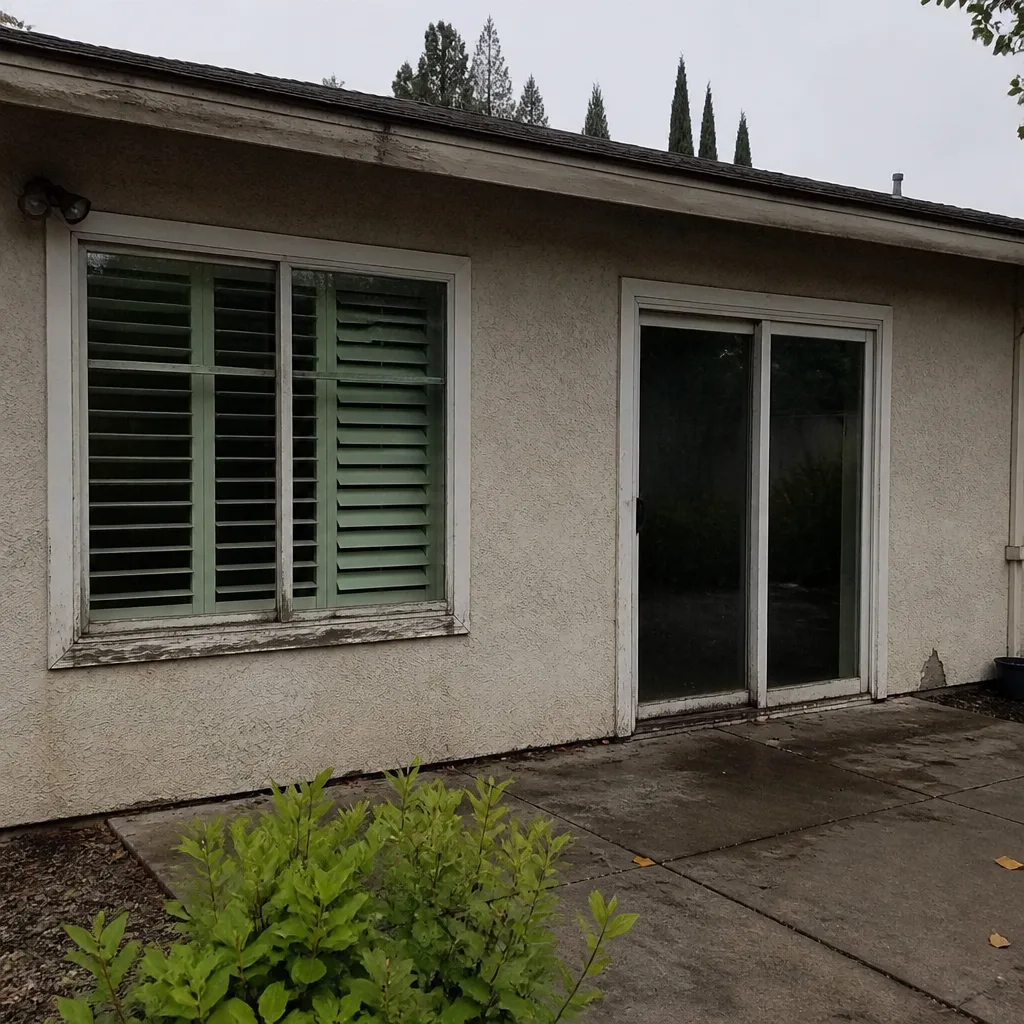 Before
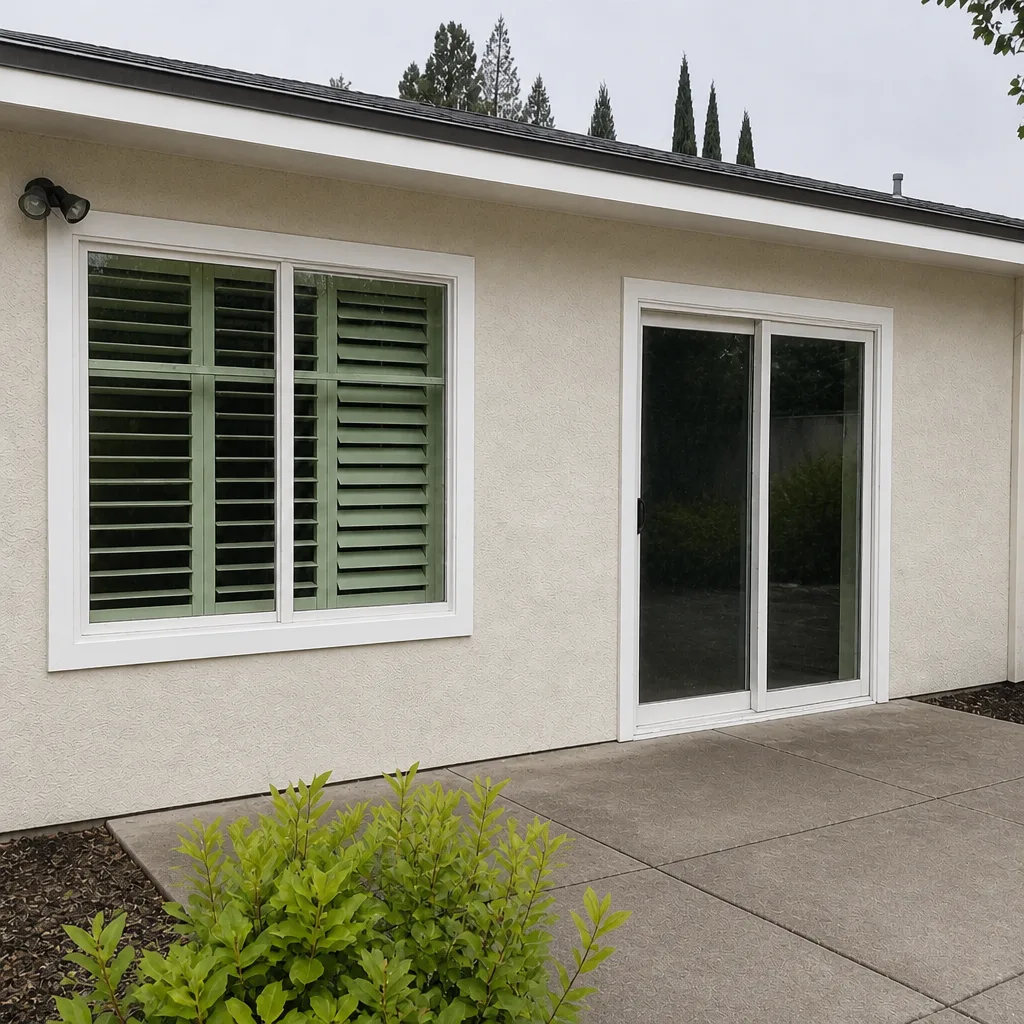 After
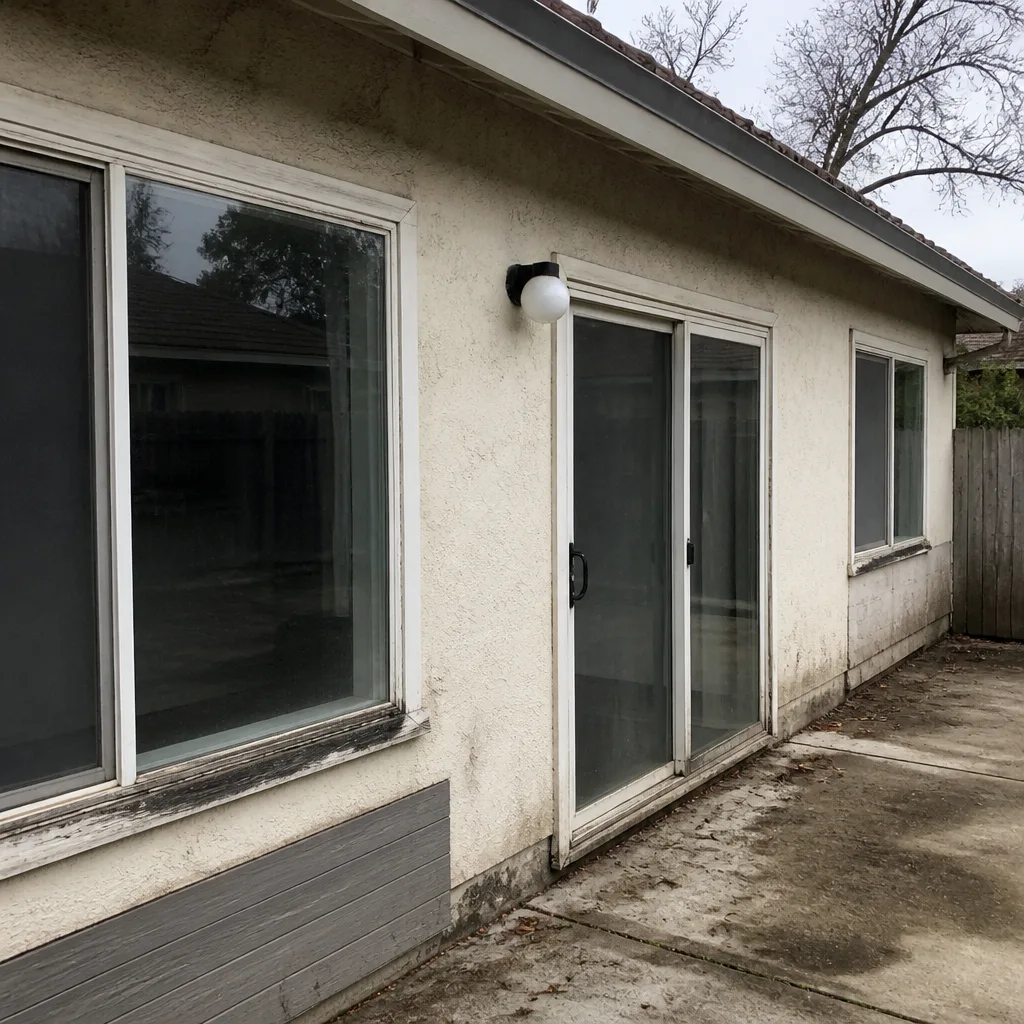 Before
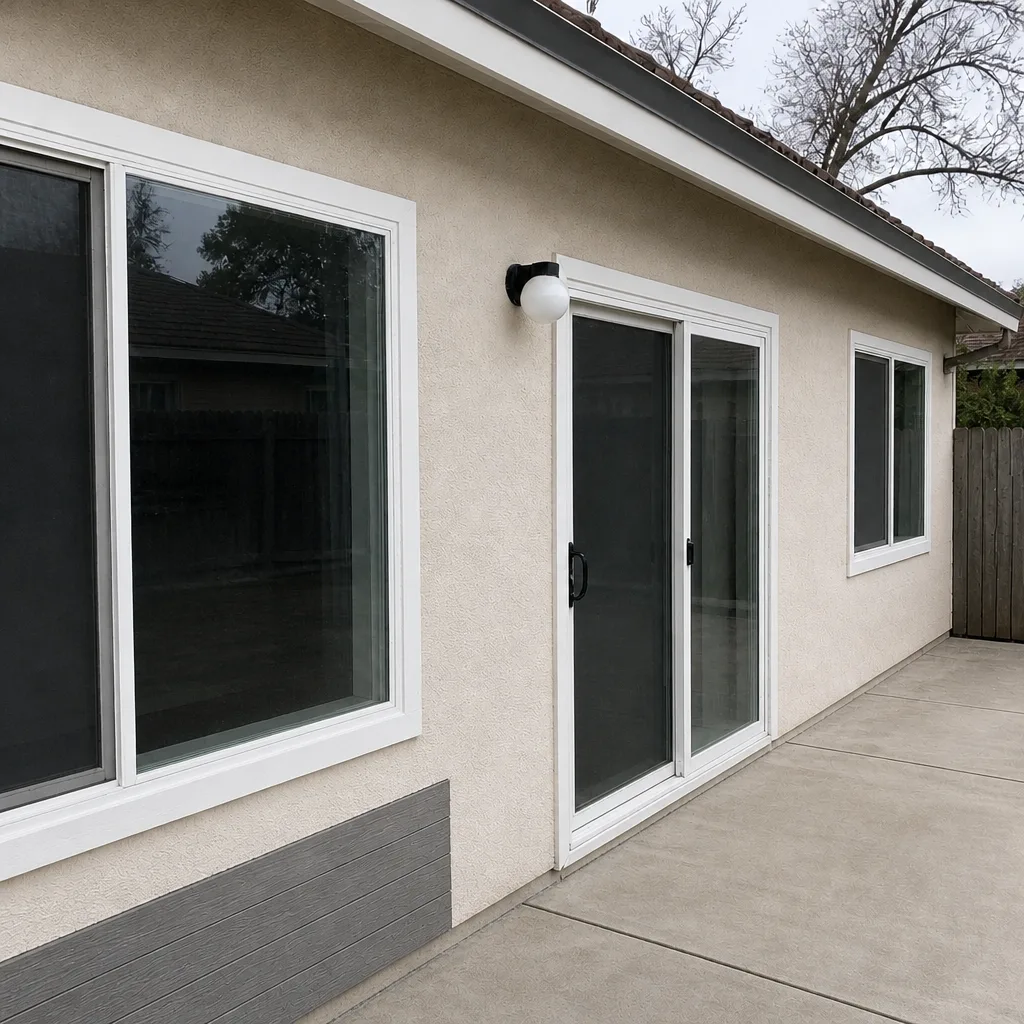 After
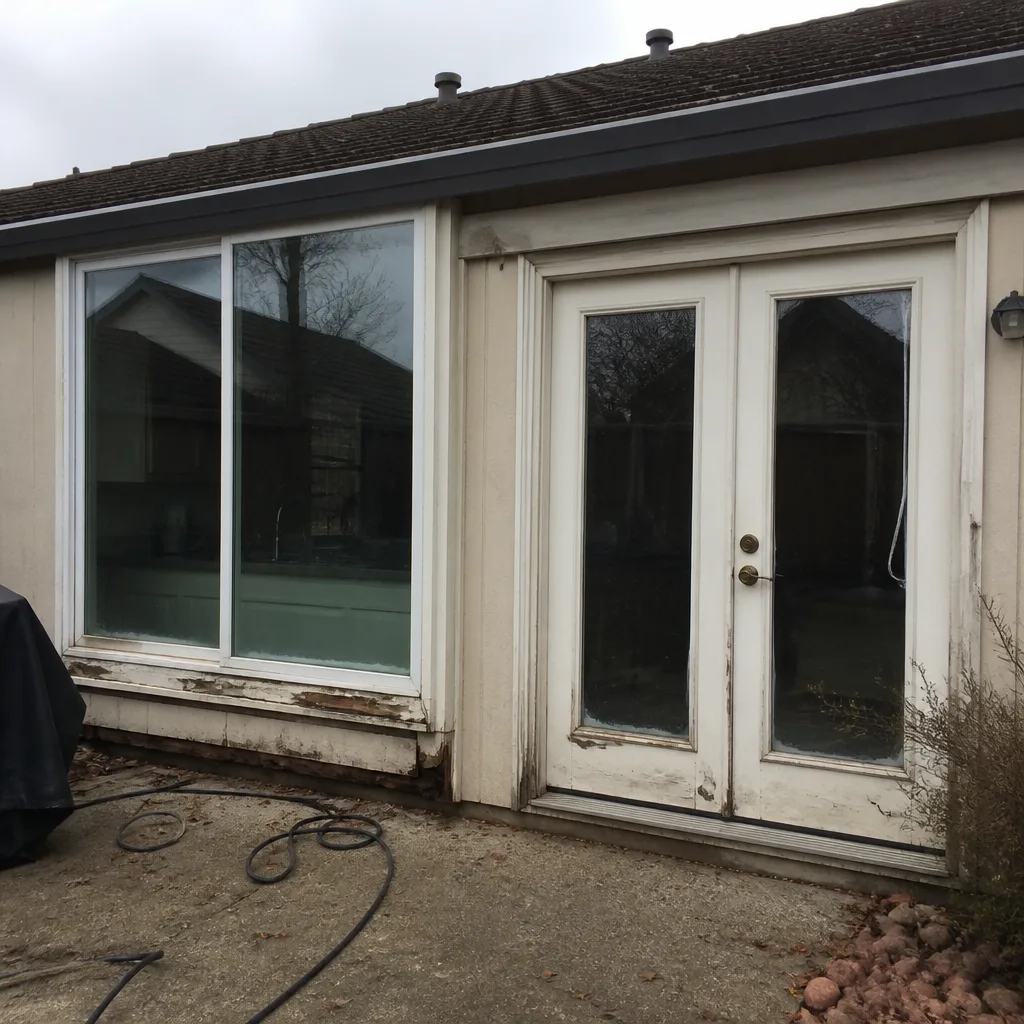 Before
 After
When to Call a Professional
Call for a professional look when two or more of the signs in this guide show up on the same opening, when a window that used to lock easily now sticks, when a creak is isolated to one unit rather than spreading across a wall, when paint or drywall softens near a window or door in a horizontal pattern, or when your June bill is climbing faster than your December bill. Any of these on their own is worth a look. Two together is a scheduled visit. We don’t handle minor adjustments or single-window jobs, but for a set of three openings or more that shows these patterns, an on-site assessment is the right next step. Roseville Window Replacement Pros offers free estimates in Roseville – call (279) 529-6442.
Frequently Asked Questions
Increasing resistance when you turn the window lock. That stiffness means the sash and frame have moved out of alignment, which is called racking, and it shows up weeks or months before you see water or feel a draft. Test every operable window once every few months by closing it gently and locking it without pushing or lifting. If you have to help the sash into place to get the lock to catch, that window has started to move. Call (279) 529-6442 for a free estimate if you want a second set of eyes on it.
Normal thermal noise fades within an hour and is consistent across an entire wall of windows. Noise that stays isolated to one opening, comes with hairline cracks at the interior trim, or shows up when you operate the sash is telling you something different: the shimming under the unit is working loose or was never done right. A per-window creak in December is worth a look because it’s the same mechanism that can compromise a sill pan before the next wet season. Call (279) 529-6442 for an on-site look – estimates are free.
If the spike is concentrated in June through August and the December bill is roughly flat, you’re looking at heat gain through the glass – usually west- and south-facing windows with older clear glass. If both seasons climb together, the problem is broader heat loss and gain across the whole envelope. The room-level check settles it: note which rooms run hottest in the afternoon and which run coldest at night. Those are the openings to start with. Call (279) 529-6442 for an exact quote – estimates are free.
Run the five-point swing test first. If the door holds position at 45 degrees and 90 degrees, the hinges and frame are probably fine and the issue is the strike plate or the weatherstripping. If it drifts open or shut on its own, the hinge is failing or the frame has moved. If the lock-side gap pinches at the bottom, the opening is out of square. For anything past hinge adjustment, a new door replacement is usually the cleaner fix, especially on an older unit. Call (279) 529-6442 to schedule a free estimate on a full set of openings.
Replacement window pricing depends on unit size, glass package (thermal versus impact-rated), frame material, and how many openings are involved, so we don’t quote over the phone. What we can tell you is that we provide free written line-item estimates that spell out the unit price, the installation, the permit, and any trim work. The number in the written estimate is the number – no change orders once the work starts. We take jobs of three openings or more. Call (279) 529-6442 to schedule the estimate.
Yes. Most cities require a permit for window and door replacement, and we handle it on your behalf. The written estimate spells out the permit scope and the inspection, and we don’t close out a job until the inspection passes. You get a copy of the signed-off permit at completion, which matters when you sell the house. Call (279) 529-6442 and we’ll walk you through the permit scope for your project – estimates are free.
The Bottom Line
The visible warning signs on windows and doors get the attention, but the quiet ones do the real work. A stiff lock, an isolated creak, a horizontal paint bubble, and a June bill that runs ahead of December are the signals worth acting on. Catch them early and you’re pricing a replacement on your own schedule. Wait, and you’re pricing water damage on top of the window. Work through the tests in this guide on your own first. Then, for three openings or more that show warning signs, bring in a specialist who can diagnose before specifying. Eight trusted lines, one specialist team – replacement done right the first time.
If this guide left you with questions about your own Roseville home, call (279) 529-6442 for a free estimate. We’ll walk the openings with you, run the same tests described here, and put together a written line-item quote covering windows, entry doors, and sliding doors in one scope.
Written by the team at Roseville Window Replacement Pros.