Last updated November 25, 2026
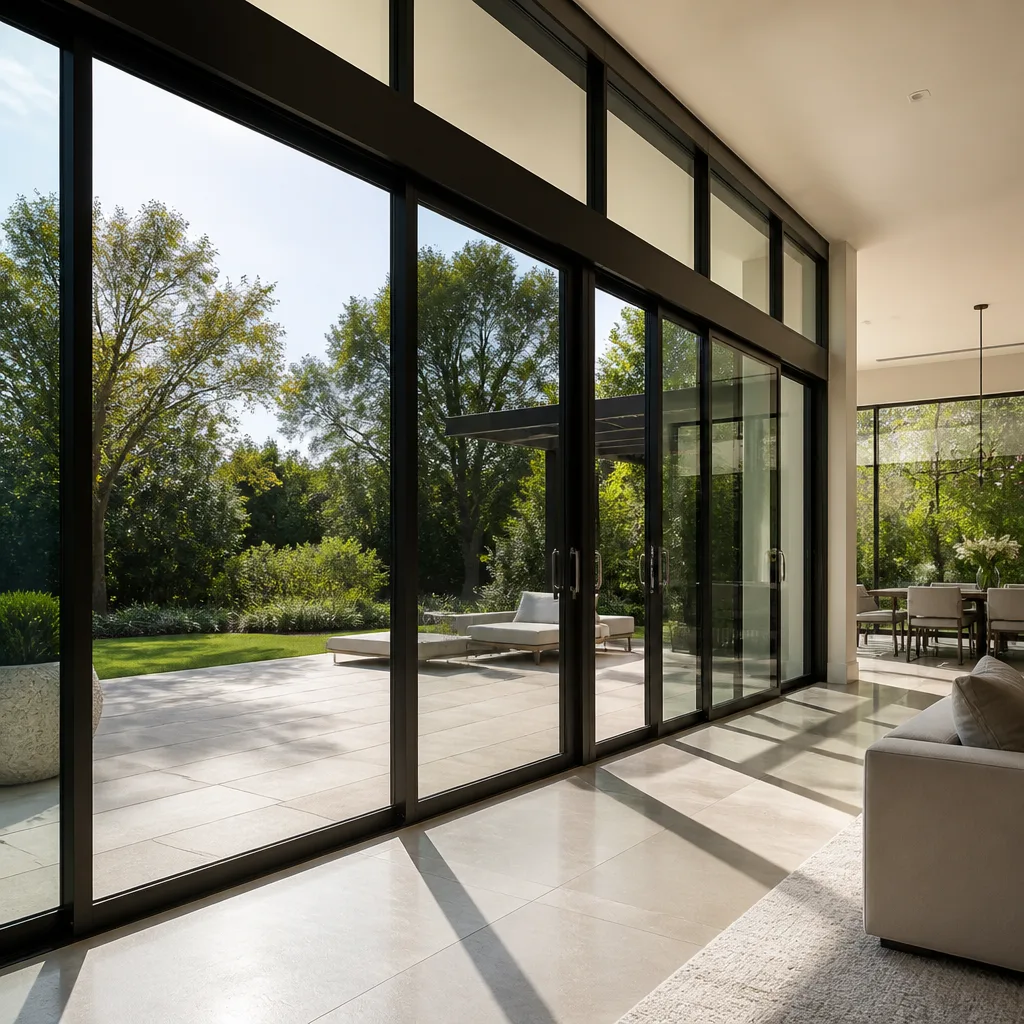
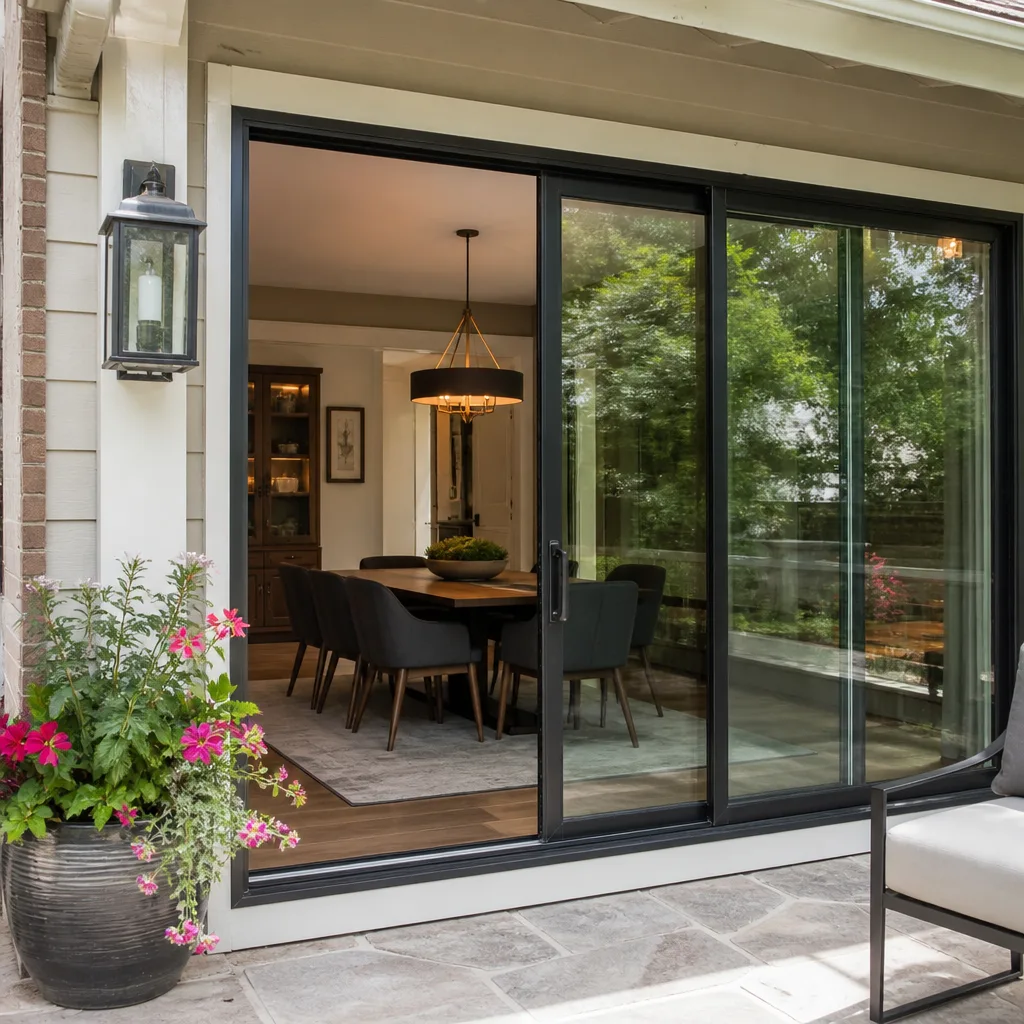 Sliding glass doors
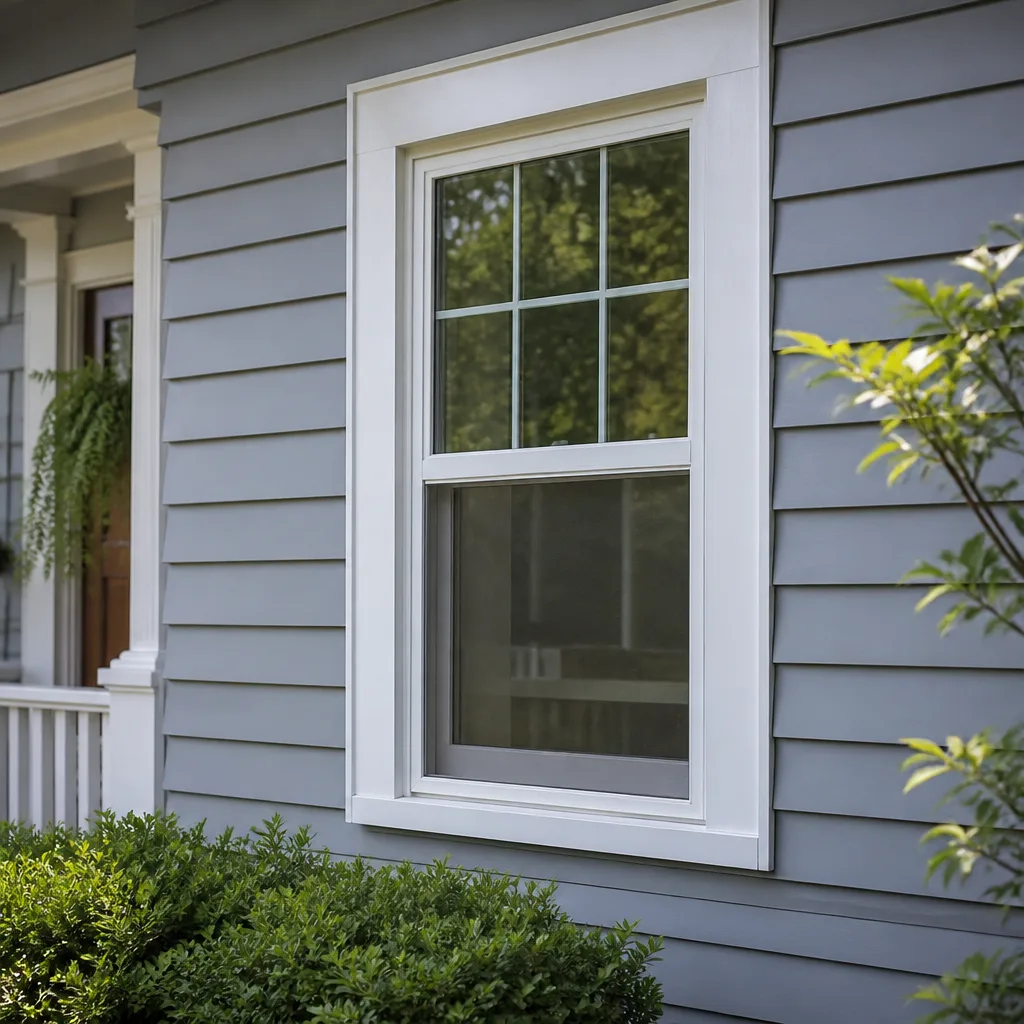 Single hung
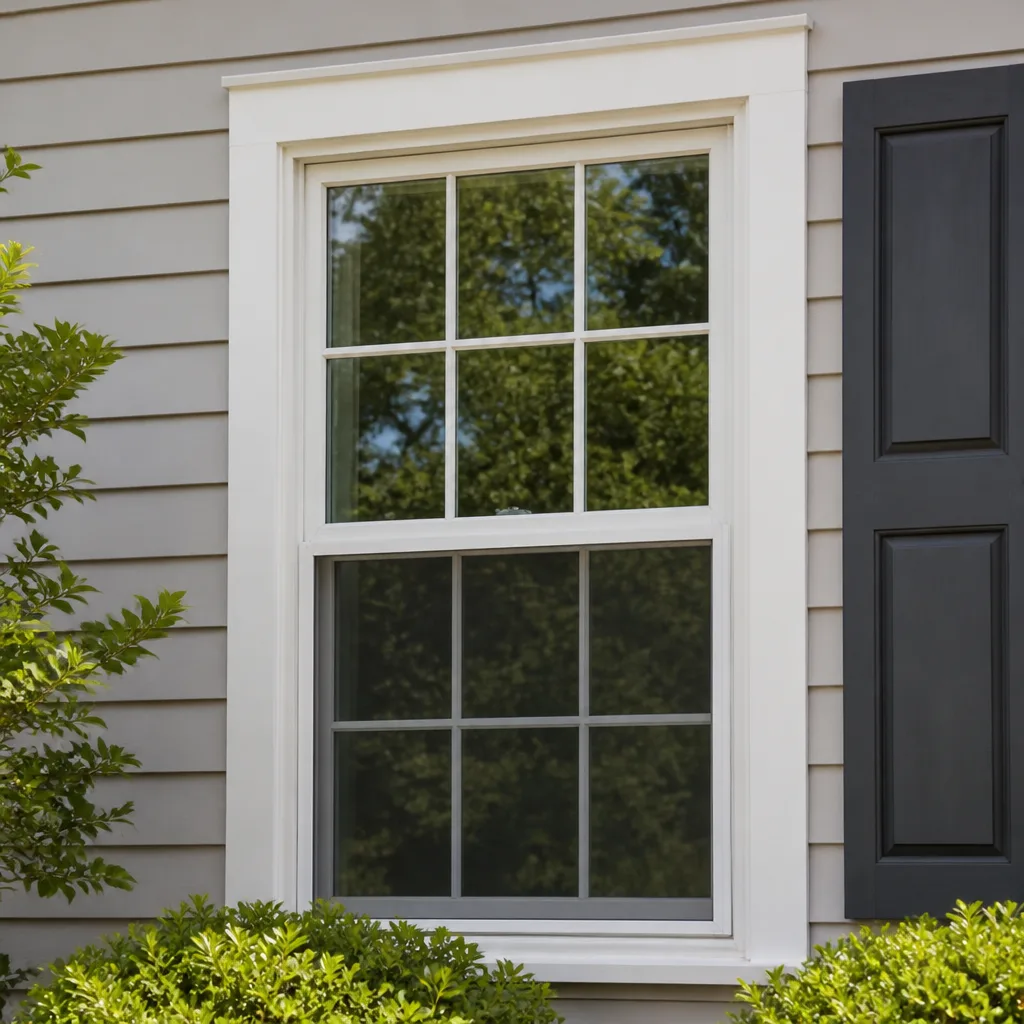 Double hung
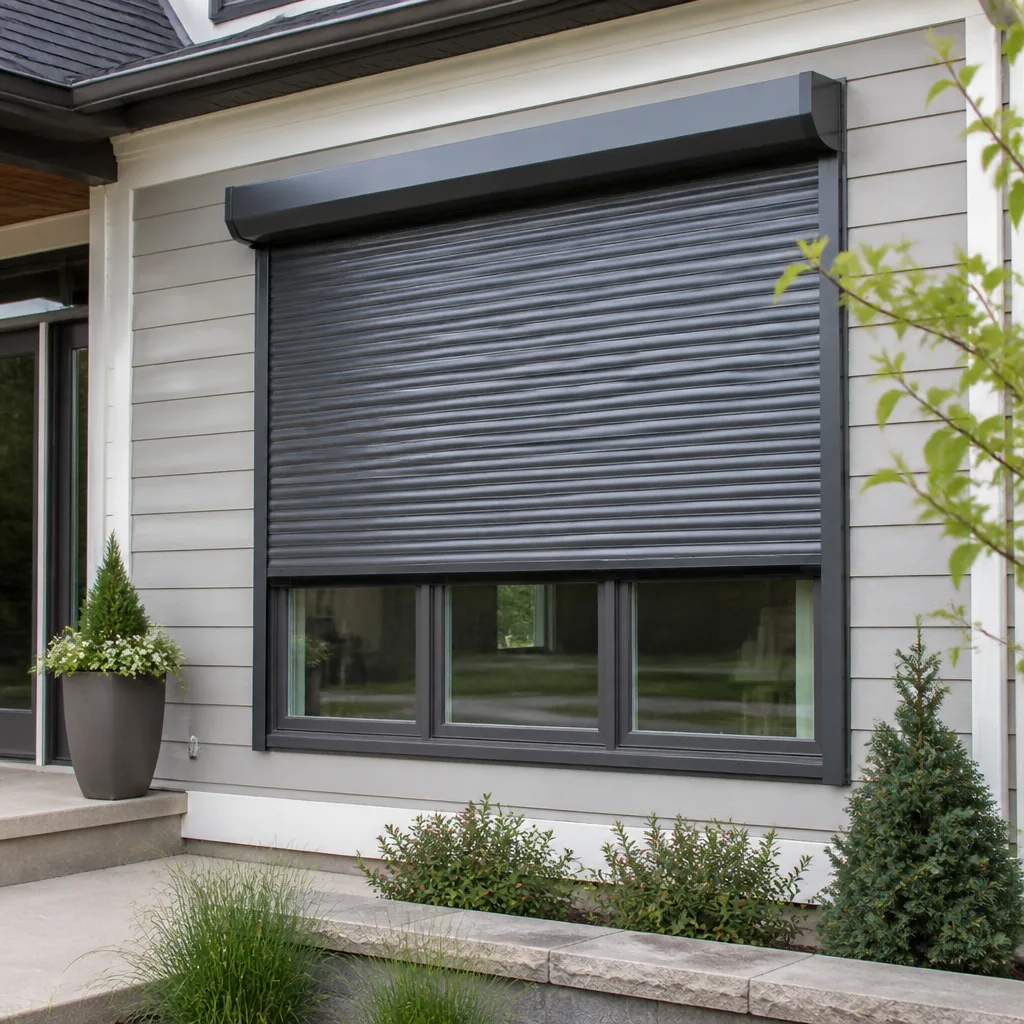 Horizontal roller
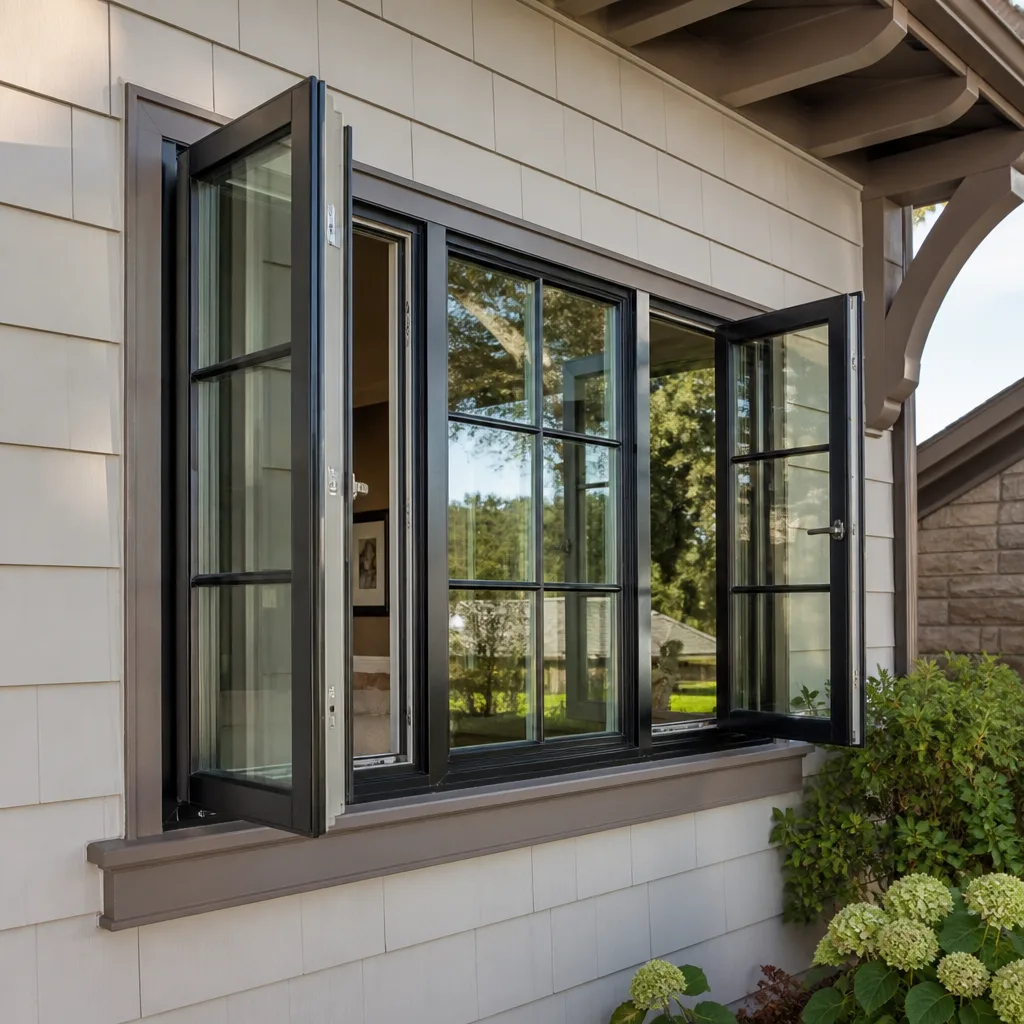 Casement
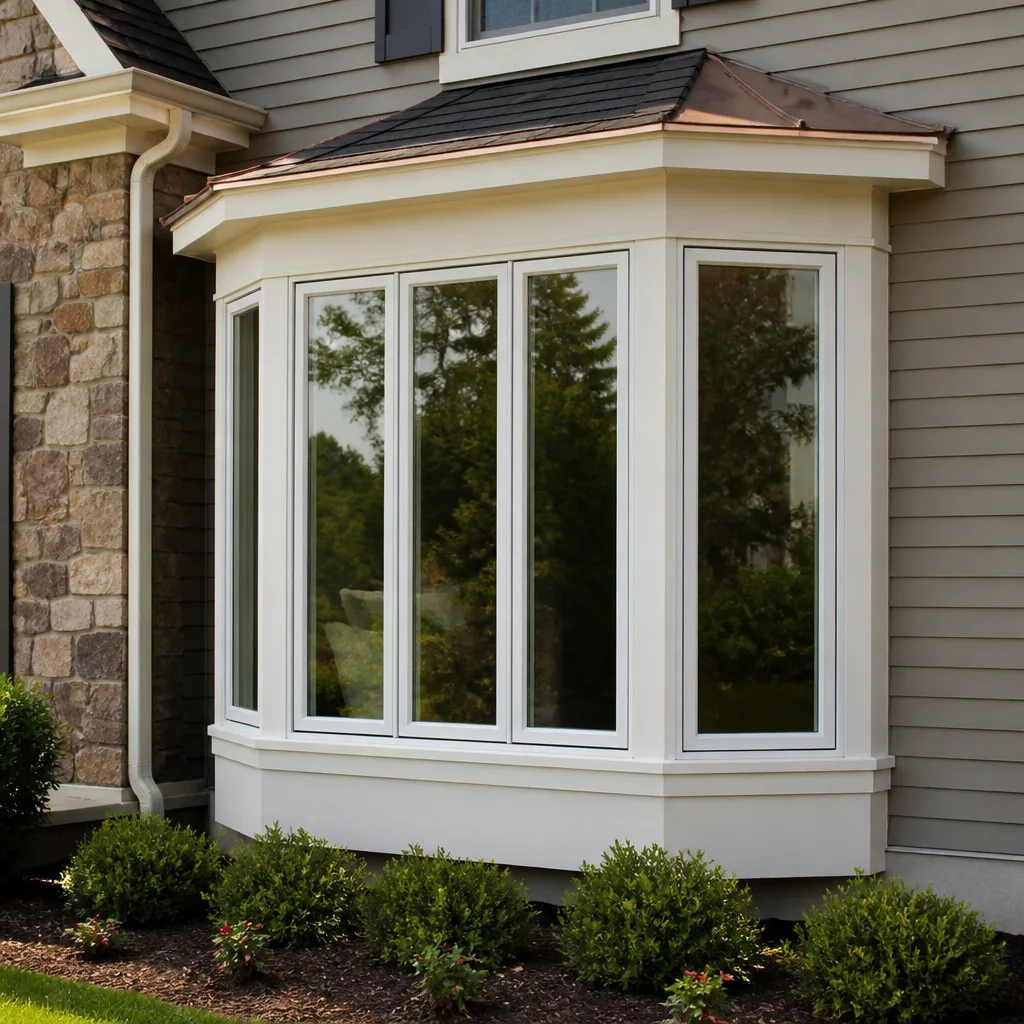 Bay & bow
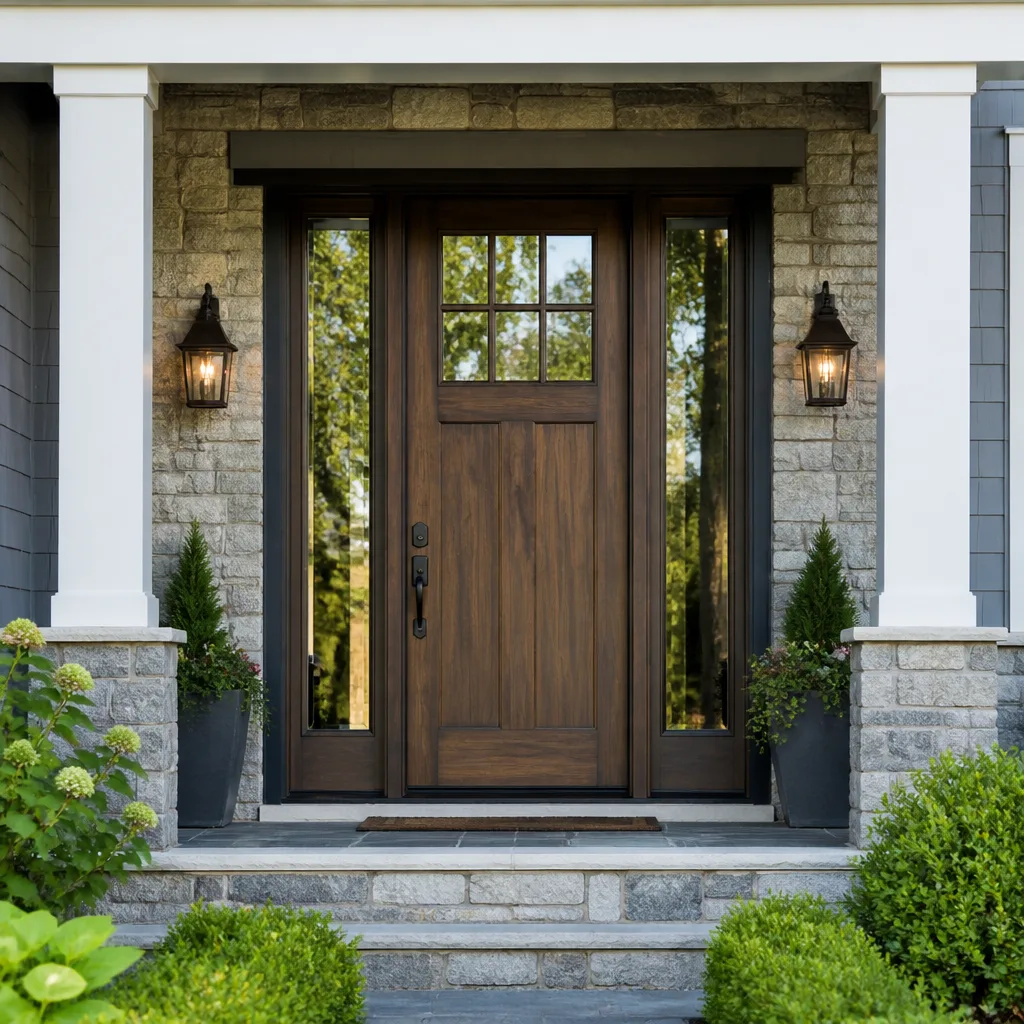 Entry doors
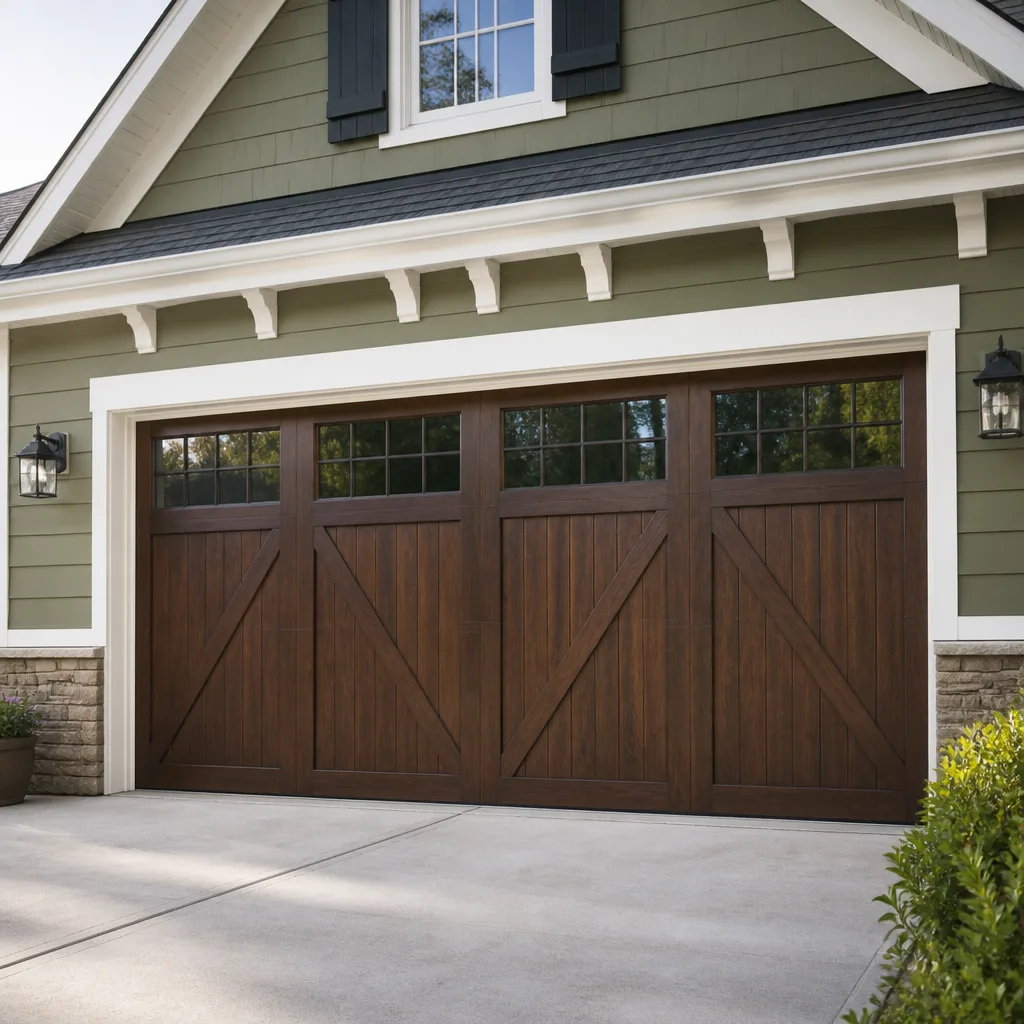 Impact garage doors
 PGT
 CGI
Free in-home measure and quote - PGT, CGI and CWS impact lines compared on your actual openings, style by style
Get your free estimateWindows & Doors Emergency Preparedness Guide for Roseville Homes
Most emergency prep advice for Roseville homeowners focuses on water, food, and evacuation routes. Almost none of it addresses the building envelope, which is the part of your home that decides whether smoke, floodwater, wind-driven rain, or a determined intruder actually gets inside. When the Caldor Fire pushed regional air quality into hazardous territory while burning dozens of miles away, the homes that held breathable interior air longest weren’t running the biggest air purifiers. They were the ones whose window and door seals hadn’t been deferred for years. This guide covers what actually matters for Roseville homes: how seals fail during smoke events, which window and door features matter in wildfire-urban-interface zones, how to temporarily seal a broken window during an active emergency, and how to build a threat-specific kit for Roseville’s two very different disaster seasons.
Quick Answer
Emergency preparedness for windows and doors in Roseville means three things: knowing the condition of your seals, weatherstripping, and glass before an event hits; having a temporary sealing kit ready for wildfire smoke season and a separate one for atmospheric river flooding; and understanding which window and door upgrades actually reduce risk in this region, such as tempered glass, non-combustible frames, and tight-sealing sliding doors. A pre-season inspection of every window and exterior door is the single highest-value step, because failure almost always starts at the gasket, not the glass.
Styles & brands we work with
- Single hung
- Double hung
- Horizontal roller
- Casement
- Bay & bow
- Sliding glass doors
- Entry doors
- Impact garage doors
- PGT
- CGI
Table of Contents
- Why Your Building Envelope Is Your First Line of Defense in Roseville
- How Window Seals and Weatherstripping Determine Smoke Infiltration
- Window and Door Features That Matter in Wildfire Interface Zones
- What to Do With a Broken Window During an Active Emergency
- How Sliding Glass Doors Fail During Forced Entry and the Retrofit That Changes It
- Windows and Doors During Atmospheric River Flooding
- Building Your Roseville Emergency Window and Door Kit
- When the Grid Goes Down: Doors, Locks, and Security
Why Your Building Envelope Is Your First Line of Defense in Roseville
Your windows and exterior doors are the largest penetrable surface on your house. They’re also the parts that age fastest, because every one of them has moving parts, compressible seals, and hardware that cycles thousands of times over a home’s life. In Roseville, that means the envelope takes on wildfire smoke from regional fires, wind-driven rain from atmospheric rivers, and years of sun that degrades rubber and foam gaskets before the glass itself shows any problem.
Emergency planners call this the “shelter-in-place envelope,” and it’s the piece most homeowners never think to check until smoke is already inside. A window that looks fine from the living room can have a completely failed bulb seal, a compressed weatherstrip, or a sash that no longer seats flush. You won’t notice during a mild spring. You’ll notice the first week of September when the sky turns orange and you can smell the fire through a closed window.
We’ve walked through hundreds of Roseville homes and the pattern is consistent: the windows facing the afternoon sun west of Washington Boulevard and near older neighborhoods like Cirby Ranch tend to have the driest, most cracked weatherstripping. Homes in newer construction near Fiddyment Farm often have tighter frames but hardware that’s never been adjusted. Both conditions matter more during an emergency than at any other time.
Here’s the framing that helps most: emergency prep for the envelope is not a shopping problem. It’s an inspection problem. You need to know what you have before you can decide what to do about it. If your inspection turns up seals that are beyond saving, that’s when it makes sense to talk about window replacement – not during the emergency itself.
How Window Seals and Weatherstripping Determine Smoke Infiltration
Wildfire smoke enters a home through the path of least resistance, and in most Roseville houses that path is window and door weatherstripping. A closed window with a healthy seal still allows a small amount of air exchange, which is normal and necessary for indoor air quality. A closed window with a failed seal allows far more. The difference between a home that stays breathable during a regional smoke event and one that fills with particulate matter usually comes down to the condition of two materials: the bulb seal around the sash and the compression weatherstrip at the frame.
What most homeowners don’t realize is that seals fail gradually and silently. The rubber flattens. The foam crumbles. The gasket that used to spring back now stays compressed. You won’t see it, and your window will still close and latch, so nothing tells you there’s a problem until the air quality outside gets bad enough to test it.
How to Check Your Seals Before Smoke Season
- The dollar-bill test. Close and latch a window on a dollar bill placed at each edge. If you can pull it out easily, the seal is compromised at that spot.
- The feel test. On a windy afternoon, run your hand slowly along every edge of a closed window. Any sensation of moving air means infiltration.
- The visual inspection. Open each window and look at the bulb seal and weatherstrip. Cracks, flattening, or any crumbly texture means replacement time.
- The light test at night. Have someone outside with a flashlight sweep along each window edge while you look for any light penetration from inside.
- Check the door sweep. Exterior doors have a sweep at the bottom that wears out first. Close the door on a piece of paper and pull; if it slides out easily, the sweep needs replacement.
The good news is that weatherstripping is one of the least expensive things to address in a home. The bad news is that once the gasket track itself is deteriorated, or the sash no longer sits square in the frame, replacing the weatherstrip alone won’t get you back to a tight seal. That’s when the conversation shifts from maintenance to replacement, and it’s a conversation worth having in April, not during a smoke event in September. Our team handles window installation throughout Roseville and can tell you honestly whether your existing windows have a sealing problem or a frame problem.
Window and Door Features That Matter in Wildfire Interface Zones
CAL FIRE maps most of Roseville’s western and northern edges, particularly areas near open grassland and the American River corridor, into wildland-urban interface zones where building standards carry extra weight. If your home sits in one of these zones, the features that matter most on your windows and doors are not the ones most homeowners would guess. It’s not the frame color. It’s the glass type, the frame material, and how tight the assembly closes.
The three features that actually change outcomes in a wildfire-interface setting:
- Tempered glass. Tempered glass resists thermal stress far better than standard annealed glass. During a nearby fire, radiant heat can crack a standard pane; tempered glass holds. For homes on Roseville’s western edge, this is the single most important upgrade to ask about.
- Non-combustible or fire-resistant frames. Vinyl and fiberglass frames perform well; wood frames need to be in good condition and sealed. Any frame that’s cracked, warped, or has gaps at the rough opening is an entry point for embers, which is how most homes are lost to wildfire rather than direct flame contact.
- Tight-sealing multi-point hardware. A door that latches at three points seals more consistently than one with a single deadbolt. The same logic applies to windows with multi-point locking.
On the door side, fiberglass entry doors, like the ones in the Therma-Tru line we carry, hold up to heat and radiant exposure better than wood or most steel doors, and they don’t warp when the sun hits them at an angle for years. For a Roseville home in a mapped WUI zone, a fiberglass entry door with a tight seal and a quality sweep is a meaningful upgrade over a wood door that’s been in place for decades.
One thing to be clear about: no window or door makes a home fireproof. The goal is ember resistance and radiant-heat tolerance, which buys time and reduces the odds of ignition at the envelope. The full picture involves defensible space and roof and vent details that sit outside our scope – but the window and door portion is where most homeowners have the most opportunity to improve their odds.
What to Do With a Broken Window During an Active Emergency
When a window breaks during a smoke event, a wind-driven rainstorm, or a period when you can’t get a replacement crew on site, the goal shifts from “fix it correctly” to “seal it safely until you can.” That means closing the hole against air, water, and pests without creating a fire hazard or a trap for someone inside trying to evacuate.
Here’s the sequence that works:
- Clear the area and put on gloves. Broken glass in a frame can hold tension and shatter suddenly when disturbed. Heavy leather gloves and closed shoes are non-negotiable.
- Remove the largest loose shards first. Use pliers, not hands. Work from the edges of the break toward the center.
- Use plywood or OSB for temporary closure, not plastic sheeting alone. Plastic sheeting will flutter, tear, and let significant air and water through. Cut plywood to overlap the frame by at least two inches on every side and screw it into the surrounding wall framing, not just the window frame.
- Seal the gaps around the plywood with exterior-grade tape. Foil tape or a quality exterior tape is better than generic masking tape, which won’t hold in wind or rain.
- If the broken unit is a sliding glass door, use plywood plus a floor brace. The brace is not optional during a period when you may be away from the home, because a boarded slider is a known entry point.
- Never light candles, use a gas range, or run a generator near a temporarily sealed area during a power outage. Poor ventilation and combustion don’t mix, and a temporary seal can concentrate carbon monoxide.
Two things that are worth keeping on hand because they’re cheap and they work: a roll of high-quality foil tape and a pre-cut sheet of plywood sized to your largest window. If you have a sliding glass door, size one sheet to that opening too. Store them where you can get to them quickly, not in the attic.
How Sliding Glass Doors Fail During Forced Entry and the Retrofit That Changes It
Sliding glass doors are the weakest entry point in most Roseville homes, and the reason has nothing to do with glass strength. It’s the latch and the track. A standard sliding door latches into the track frame, and an intruder who knows the mechanism can lift the panel out of the track and bypass the lock entirely in a matter of seconds. During the post-disaster period after a regional emergency, when some homes are empty and normal routines are disrupted, this becomes a meaningful security concern.
The two-minute retrofit that changes the equation is a drop-in track lock, sometimes called a “Charlie bar” or a slide-bolt style lock. It’s a small piece of hardware that installs into the upper track and physically blocks the panel from being lifted. It costs very little and does not require cutting or drilling into the door itself, so it’s something any homeowner can add without professional help.
Beyond the track lock, here’s what to check on every sliding door:
- The latch engagement. Close the door fully and see how much play the panel has. If it can be pushed a quarter inch without engaging the latch, the alignment is off.
- The track condition. Any grit, pebbles, or bent track lets the panel sit unevenly, which reduces the seal and the latch engagement at the same time.
- The secondary lock. A pin lock that goes through the sash into the track is the strongest simple addition, and unlike the original latch, it can’t be bypassed by lifting.
- The seal at the meeting rail. The two panels meet at a rail that carries a weatherstrip; when that strip fails, both security (the panels can be levered apart) and weather sealing fail together.
If your sliding door has a failed meeting-rail seal, or the panel no longer sits flush in the track even after alignment, a door replacement is usually the cleaner answer than trying to correct years of wear on the existing unit. Sliding doors take more abuse than any other door in a house, and the hardware wears accordingly.
Windows and Doors During Atmospheric River Flooding
Roseville’s biggest flood risk comes from the atmospheric river events that arrive between November and March, when several inches of rain can fall in a day and local creeks rise quickly. The threat to a home’s windows and doors during these events is not usually direct water contact. It’s wind-driven rain finding its way past a seal that failed months ago, plus water intrusion at grade around sliding doors and ground-floor windows.
Three failure points matter most:
- The weatherstrip at the head and sill. During a wind-driven rain event, water is pushed upward and sideways against seals. A weatherstrip that’s compressed or cracked lets water through even if it held during dry weather.
- The sill pan and flashing around sliding doors. If a sliding door was installed without proper sill pan flashing, or the sealant around it has broken down over time, water will find that path during a heavy storm.
- The weep system on windows. Windows have small drainage channels at the sill. When they’re clogged with debris, water backs up into the frame and can migrate inside.
Before flood season, the practical moves are simple. Walk the outside perimeter of every window and sliding door and look for any gap between the frame and the siding or stucco. Check the weep holes at the bottom of every window sill and clear them with a paper clip. Look at the sealant around every exterior door frame. None of these take more than an hour, and together they catch most of the intrusion risks that a storm would otherwise reveal.
If your home has had water come in during a past storm, that’s a signal that the envelope has a specific failure point worth identifying properly rather than sealing over. That’s the sort of diagnosis a replacement specialist should be doing, not a handyman with a tube of caulk.
Building Your Roseville Emergency Window and Door Kit
Roseville’s emergency calendar has two distinct seasons with different supply needs, and the kit that gets you through wildfire smoke is not the kit that gets you through a flood event. Build both.
Wildfire Season Kit (May through October)
- N95 respirator masks for each household member
- Roll of foil tape for sealing gaps around windows and doors if smoke is heavy
- Two pre-cut sheets of plywood sized to your largest window and your sliding door
- A box fan plus a high-efficiency furnace filter to rig a simple indoor air cleaner
- A spare set of window weatherstrip in the two standard profiles your windows use (the box will tell you the part number)
- A flashlight and a headlamp, since smoke events are often combined with power shutoffs
Flood Season Kit (November through March)
- Exterior-grade silicone sealant and a caulking gun
- Roll of plastic sheeting and quality exterior tape for emergency sealing
- Absorbent towels and a wet/dry vacuum kept in an accessible spot
- A floor squeegee for sliding door tracks
- Battery-powered leak sensors placed near sliding doors and ground-floor windows
- A printed contact list of your insurance agent and local restoration crews
Keep both kits in a single accessible location, ideally in a garage or storage closet near the envelope they protect. The point of the kit is that during an event, you’re not improvising. You’re following a plan you already set up.
When the Grid Goes Down: Doors, Locks, and Security
During a wildfire-triggered public safety power shutoff, the electronic components of a modern home become a liability. That includes the smart locks, the garage door opener, and the electronic deadbolt on the front door. When the power is out for a day or more, a security door that depends on power to open or lock becomes a problem rather than a solution. The key pre-season work is making sure every exterior door on the house has a mechanical means of locking and unlocking that doesn’t depend on electricity or a battery.
The check is straightforward:
- Test every lock with the power off. Unplug the smart lock or remove its battery and confirm that a physical key or thumb turn still works. If it doesn’t, that’s a door that will be locked or unlocked at the wrong moment.
- Confirm the manual release on the garage door. Every garage door has a pull cord that disengages the opener. Confirm you can reach it and pull it without a ladder. If the garage door is your primary entry, this matters more than anything else in the outage.
- Check every exterior door for a mechanical deadbolt. If the only lock is a keypad deadbolt without a key backup, add a mechanical deadbolt or replace the door with one that has both.
- Look at the door’s hinge and strike plate screws. The screws that hold the strike plate into the jamb should be long enough to reach the wall stud. Most are not. Replacing them with longer screws is a five-minute upgrade that costs almost nothing.
If a power outage reveals that an exterior door’s lock hardware is at the end of its life, or that the door itself has warped to the point that the locks don’t engage cleanly, that’s the point where a replacement door becomes the safer call. A fiberglass entry door in a line like Therma-Tru can be ordered with hardware that includes both electronic and mechanical locking, so a power shutoff doesn’t lock you out of your own house. When we look at options for a Roseville entry door with this in mind, the door gets specified around the power scenario rather than the other way around.
Common Mistakes to Avoid
- Waiting until the smoke arrives to check the seals. You cannot evaluate weatherstripping through a closed window in the middle of an air quality event. Check in April and May, before fire season starts.
- Using plastic sheeting alone to cover a broken window. Plastic flutters, tears, and lets air and water through. Plywood with tape is the material that actually works, and it should overlap the frame.
- Skipping the sill pan when replacing a sliding door. It’s the least visible part of the install and the one that determines whether the door leaks during a storm five years later. Ask about it before the door goes in.
- Ignoring the door sweep. Most homeowners replace window weatherstripping and forget the bottom sweep on exterior doors. That single piece of rubber is the primary defense against smoke and rain at the front and back of the house.
- Assuming newer Roseville construction is sealed properly. Newer homes near Fiddyment Farm and West Park have tight frames but hardware that’s often never been adjusted. A two-year-old window can still have a poor seal.
- Treating the track lock on a sliding door as optional. The original latch is a weak point that most intruders know how to defeat. The drop-in track lock is a small piece of hardware that materially changes the outcome.
- Replacing windows one at a time as problems appear. If several windows show the same sealing failure at the same time, that’s a signal the whole set was installed together and has aged at the same rate. Replacing them in one project typically costs far less per opening than piecemeal work, and it gives you a matched set of glass and frame performance across the home.
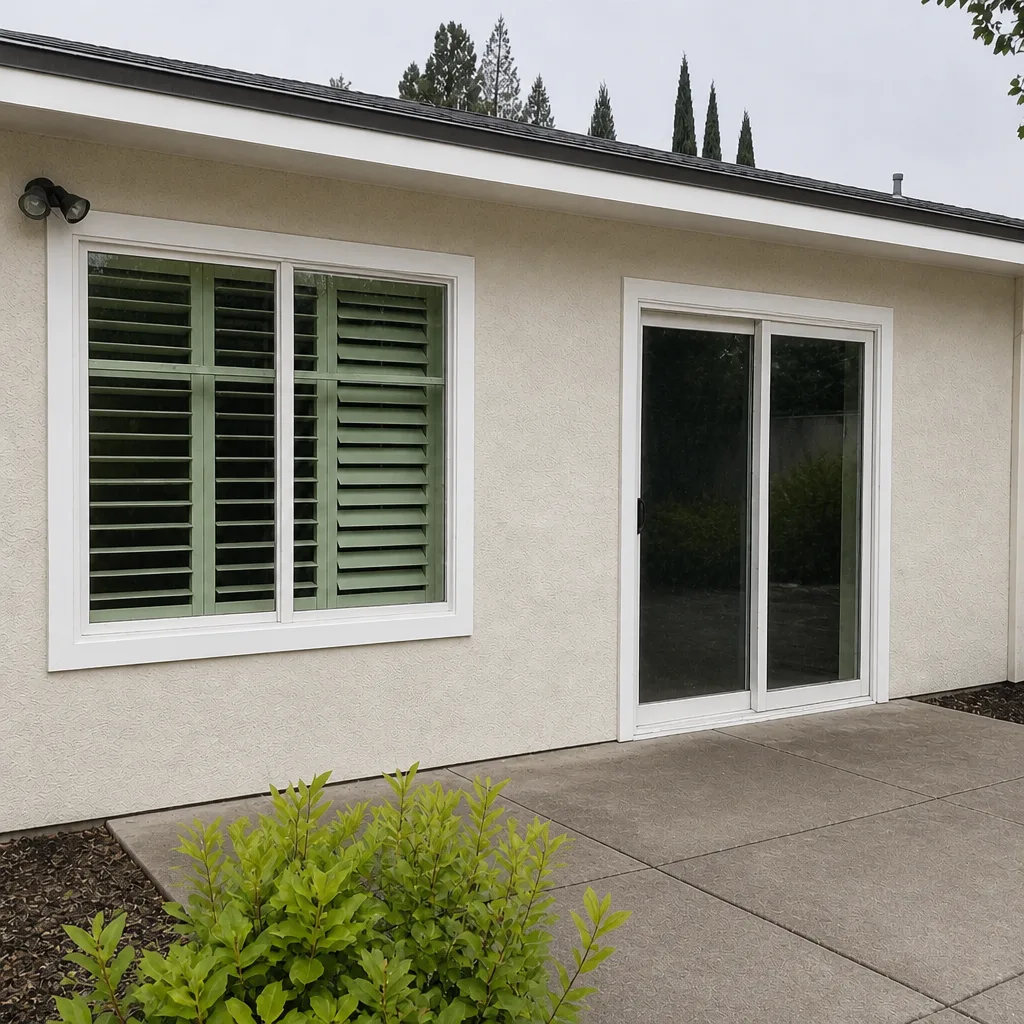
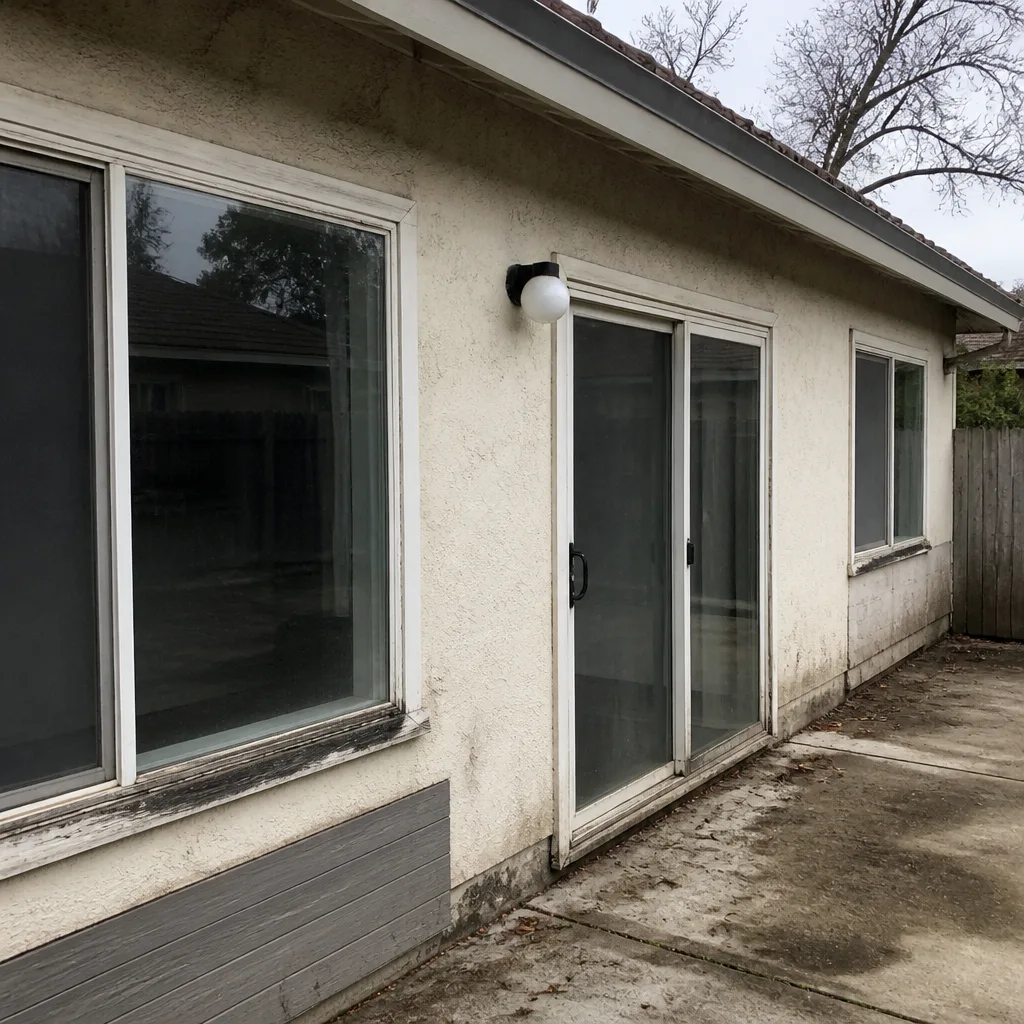
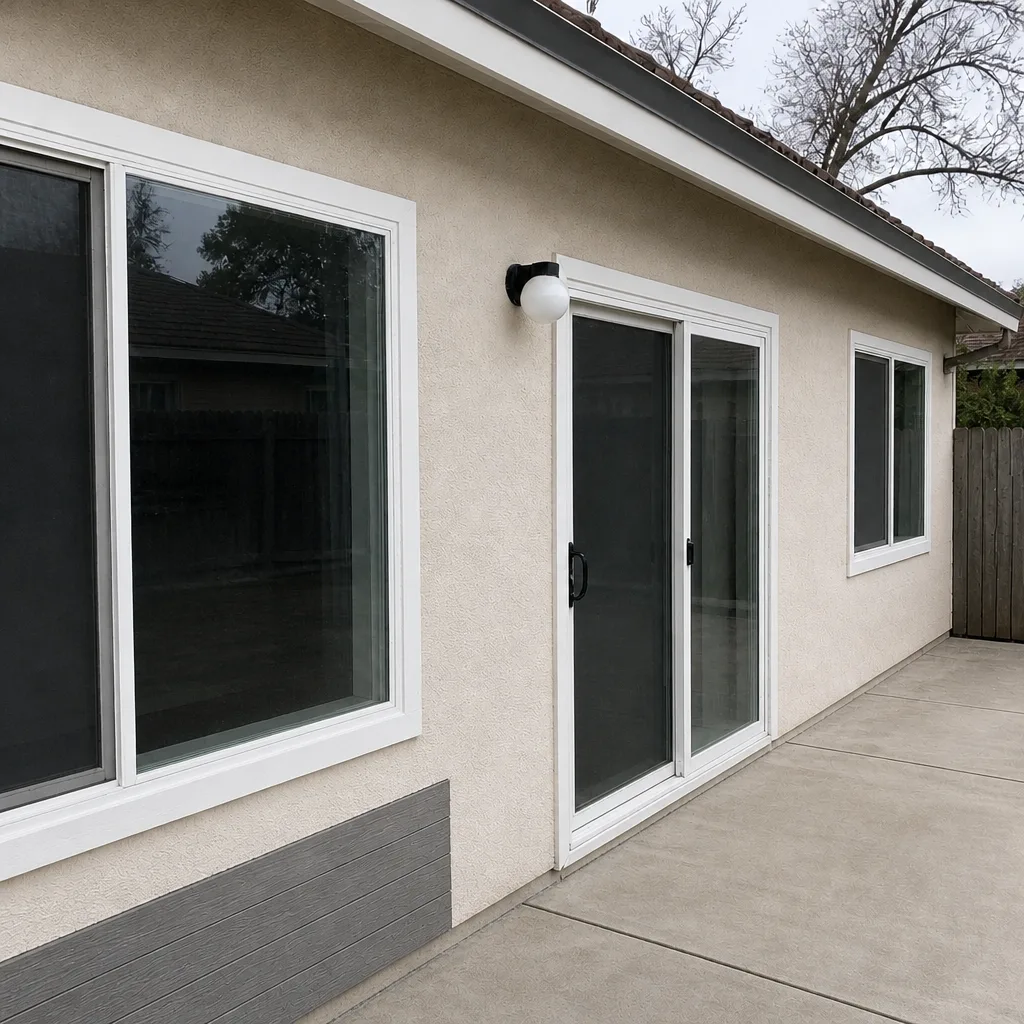
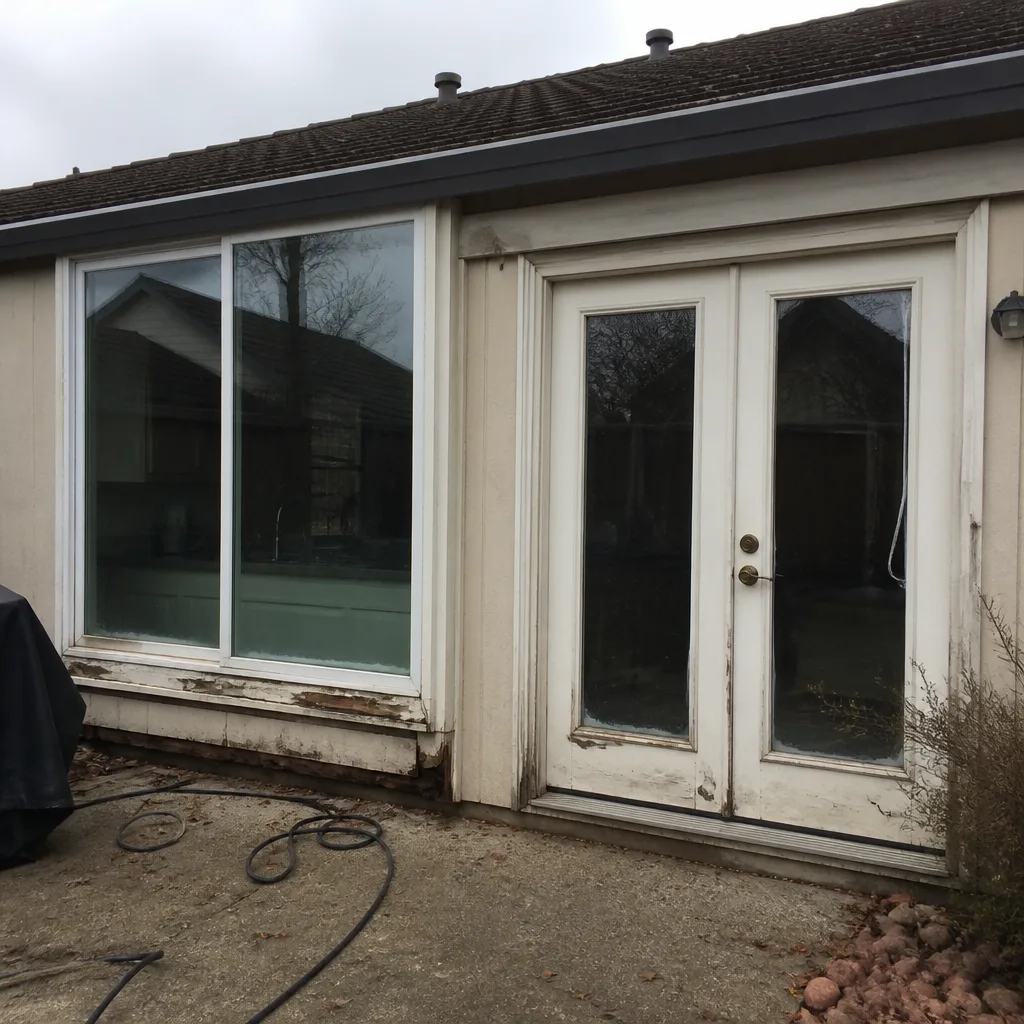
See the difference
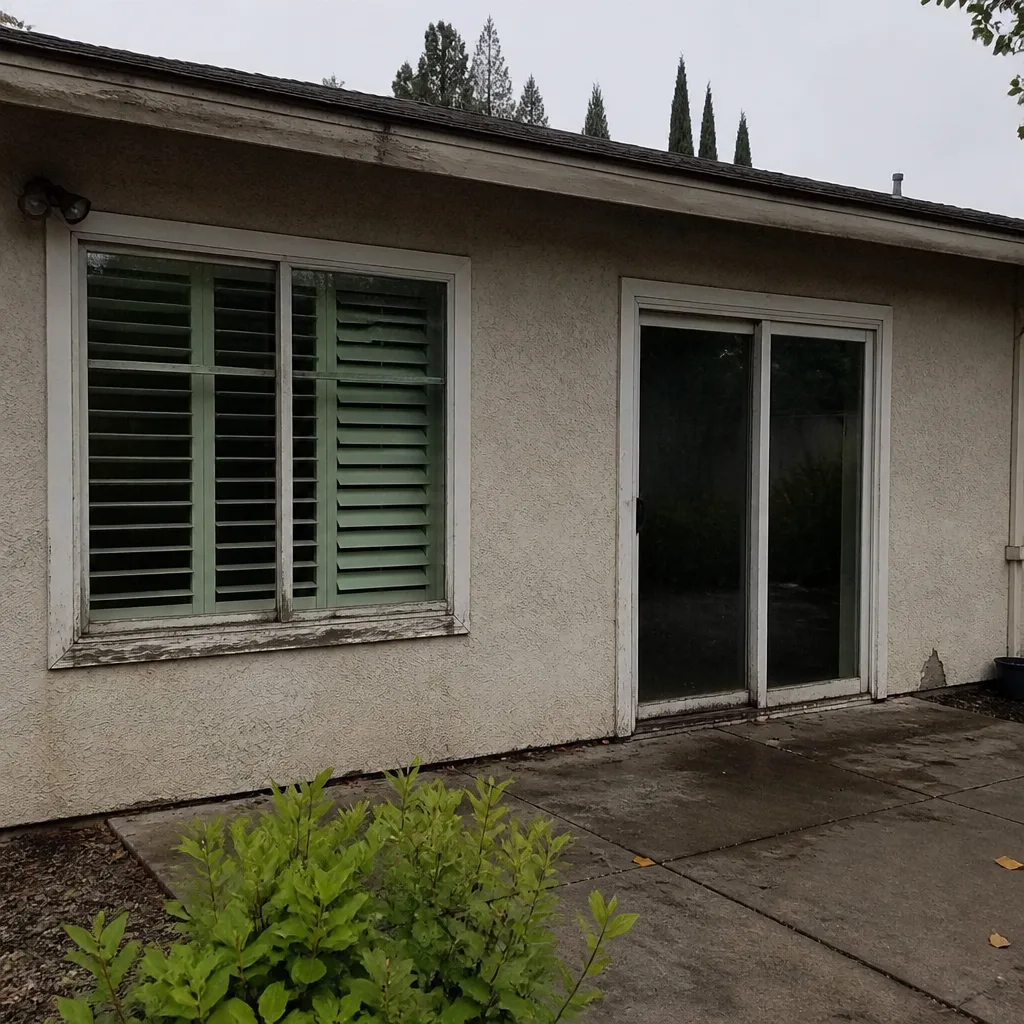 Before
 After
 Before
 After
 Before
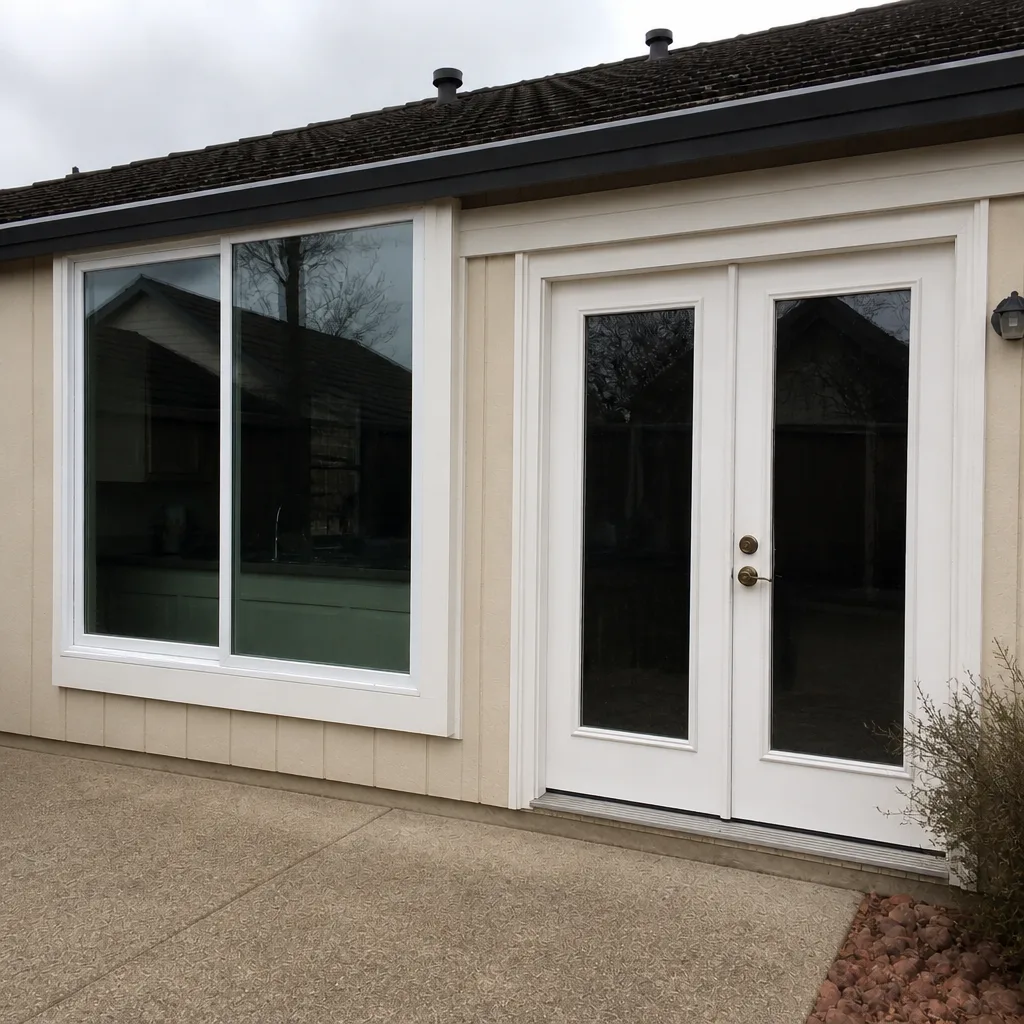 After
When to Call a Professional
Not every envelope issue needs a specialist. Weatherstripping swaps, door sweep replacements, and track lock installs are homeowner-level tasks. Where it makes sense to call a professional is when the problem goes beyond a part replacement: a sash that no longer sits flush in its frame, a sliding door that won’t align even after track and latch are corrected, water that came in during a storm despite intact weatherstripping, or windows throughout the house showing the same seal failure. Those point to a frame or installation issue that no amount of new weatherstrip will fix. Roseville Window Replacement Pros offers free estimates in Roseville – call (279) 529-6442. We work with a wide range of manufacturer lines including PGT, Therma-Tru, and ViewLux, so the right product is chosen for your opening rather than the other way around. Our technicians have up to 13 years of experience. If the scope of your project involves replacing three or more openings – which is typical for whole-home seal problems – that’s exactly the kind of work we do.
Frequently Asked Questions
Board the opening with plywood first, not plastic sheeting. Clear loose glass with gloves and pliers, cut plywood to overlap the frame by at least two inches, screw it into the wall framing rather than the window frame, and seal the gaps with foil or exterior tape. If smoke is already heavy indoors, run a box fan with a furnace filter to reduce particulate matter while the opening is closed. Once the event ends, call (279) 529-6442 to get a proper measurement and estimate for replacement, which is free.
Window replacement costs in Roseville vary with the size of the opening, the type of glass (standard versus tempered, and standard versus impact-rated), frame material, and how many windows are being replaced in the same project. A single small window costs far more per opening than the same window replaced as part of a whole-home set. The company takes window and door replacement or installation jobs of three openings or more, so if your list is a couple of broken panes and a handful of failing seals, we’d rather bundle them into one project than quote each one separately. Call (279) 529-6442 for a written line-item estimate – estimates are free.
Yes, if the old ones had failed seals. The key variable isn’t the glass so much as the weatherstripping and the frame-to-sash fit. A new window with a tight bulb seal and a properly tensioned latch will hold interior air quality significantly better than an older unit with compressed weatherstrip. No window is perfectly airtight, so you still need indoor air filtration during a heavy smoke event. But the difference between a home with healthy seals and a home with failing ones is substantial, and it’s the part most homeowners don’t check until a smoke event is already happening.
Tempered glass is worth the upgrade for any window on a side of the home exposed to open grassland, particularly on Roseville’s western and northern edges. Tempered glass resists thermal stress much better than standard glass, which matters if a fire’s radiant heat reaches the pane. It’s also a requirement in some configurations under current code for larger windows in specific locations. Ask for the glass spec in your written quote and understand exactly what’s being specified for each opening.
A drop-in track lock, sometimes called a Charlie bar. It’s a small metal piece that installs in the upper track of a sliding glass door and blocks the panel from being lifted out. The original latch on most sliders can be defeated by lifting the panel; the track lock prevents that. It costs very little and installs without cutting or drilling. Alongside the track lock, a pin lock that goes through the sash into the track is the strongest simple addition, and it’s worth adding to any slider in a home that will be empty during a regional emergency.
The test is whether the problem is the part or the frame. If the weatherstrip is compressed or cracking but the sash closes flat and latches firmly, replacement of the weatherstrip alone is the fix. If the sash doesn’t sit flush, the latch doesn’t hold tension, or water is getting through a window with intact weatherstrip, the frame or installation is the problem and no amount of new weatherstrip will solve it. A free estimate from Roseville Window Replacement Pros will tell you honestly which category you’re in. Call (279) 529-6442 to schedule one.
The Bottom Line
Emergency preparedness for windows and doors in Roseville is not about dramatic upgrades or expensive kits. It’s about the condition of materials you already have and the specifics of this region’s two disaster seasons. Check your seals and weatherstripping before fire season and again before the atmospheric rivers arrive. Keep a plywood-and-tape kit sized to your largest opening. Add a track lock to every sliding door. Confirm that every exterior door has a mechanical lock that works without power. None of that is difficult, and together it addresses the envelope-related emergencies that actually hit Roseville homes. When the seals are past saving and the frame is the problem, call (279) 529-6442 for a free estimate. We’ll tell you exactly what your openings need.
Written by the team at Roseville Window Replacement Pros.