
Last updated November 25, 2026
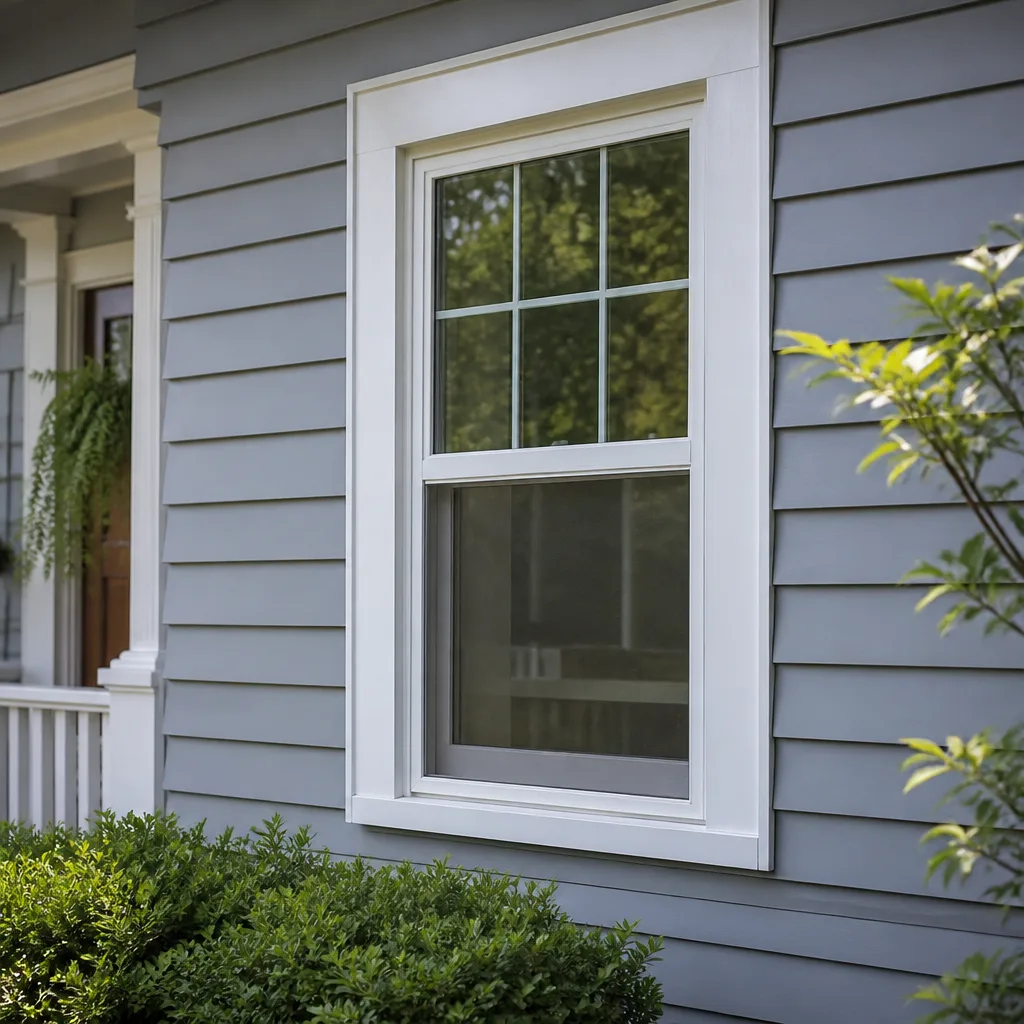 Single hung
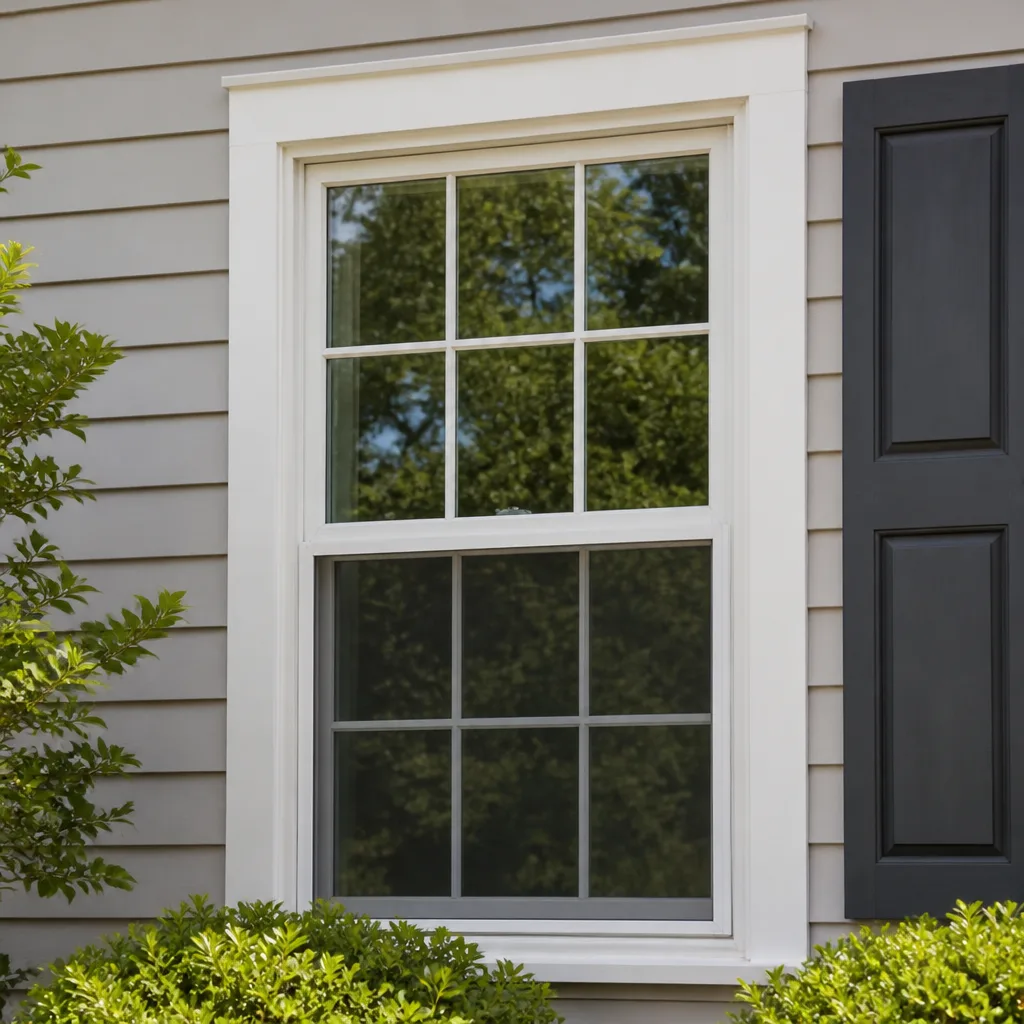 Double hung
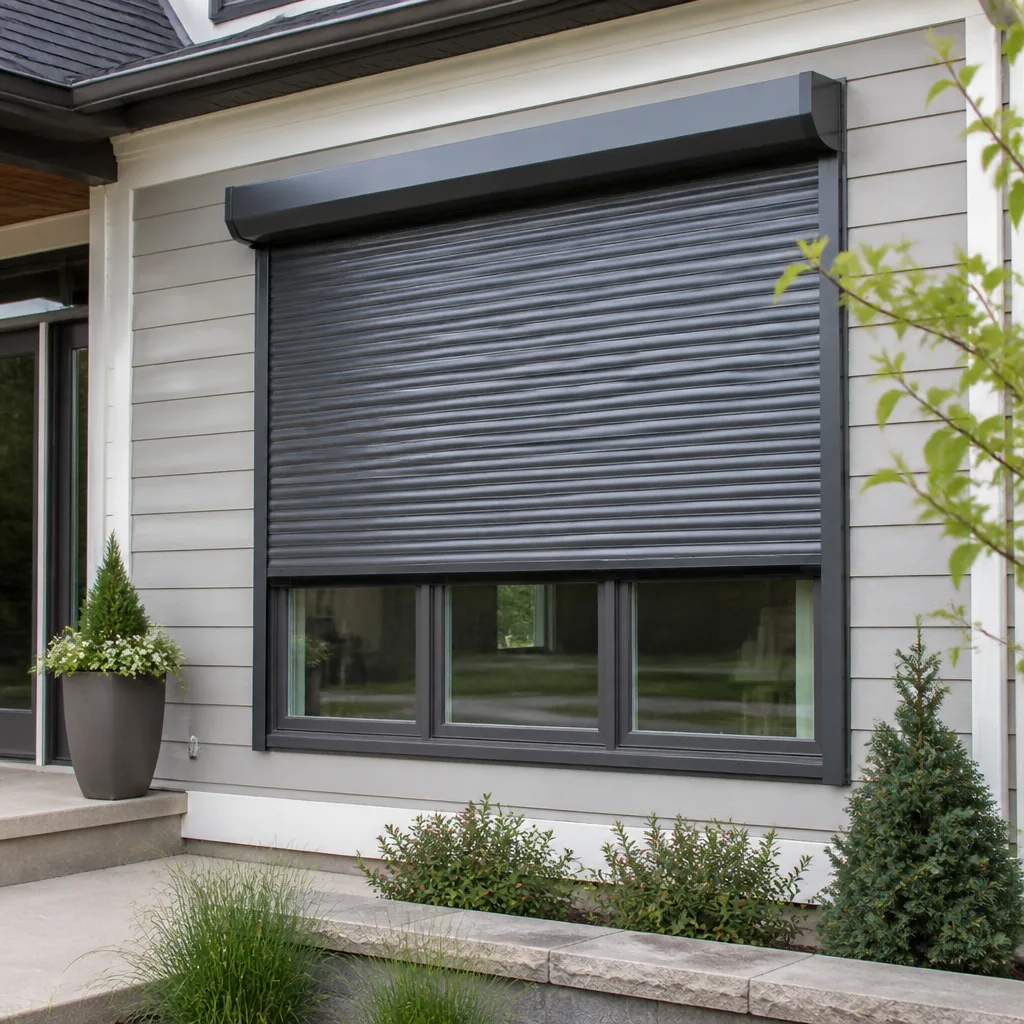 Horizontal roller
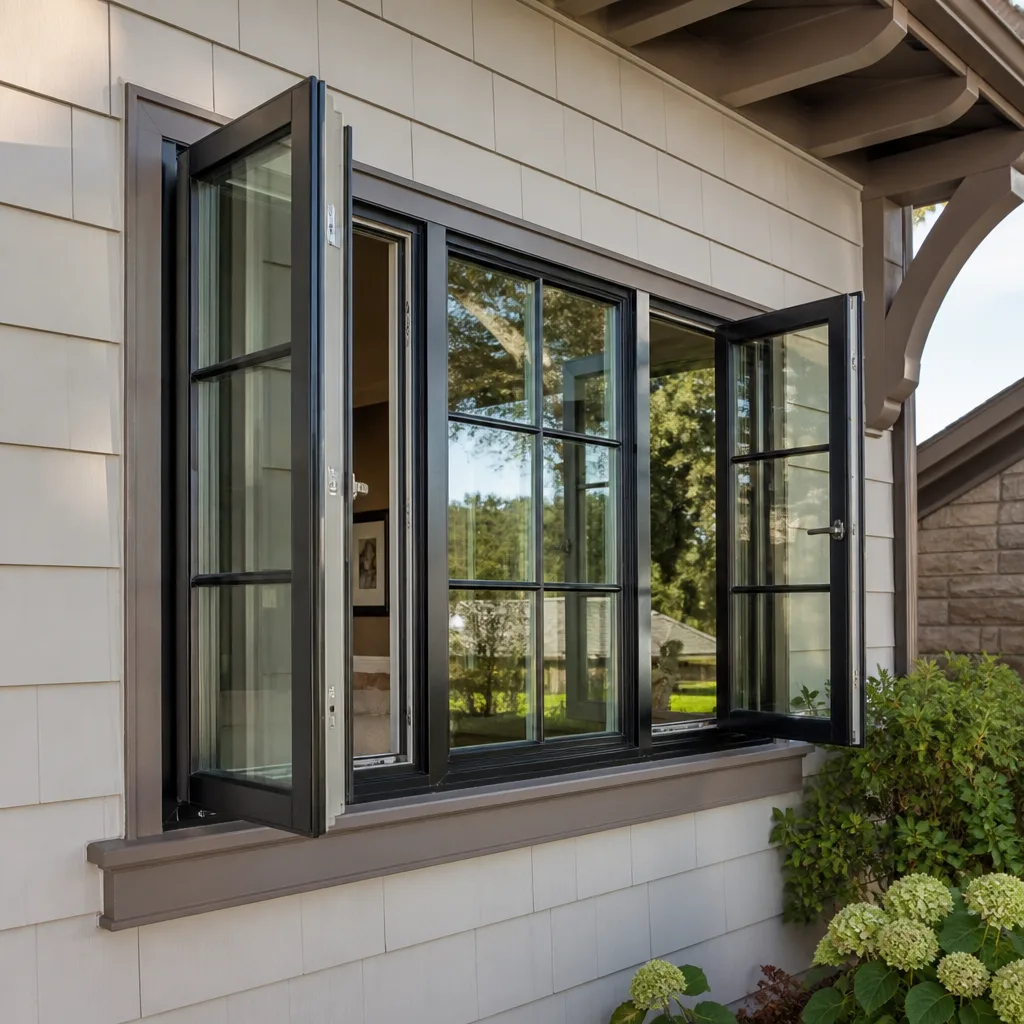 Casement
 Bay & bow
 Sliding glass doors
 Entry doors
 Impact garage doors
 PGT
 CGI
Free in-home measure and quote - PGT, CGI and CWS impact lines compared on your actual openings, style by style
Get your free estimateWindow Replacement Maintenance Checklist for Roseville Homeowners
The number one cause of premature seal failure in dual-pane windows isn’t a defective unit. It’s cleaning the frame with the wrong product, a mistake installers have a nickname for: homeowner fog. The manufacturer care sheet in your drawer was written for a national audience, not for a Sacramento Valley homeowner baking through summers that routinely push past 100 degrees. What it leaves out is the maintenance that actually extends window life here. This guide covers the cleaning agents that protect vinyl and fiberglass from UV damage, the pre-summer weatherstripping test, the weep hole inspection that keeps December rain out, and how to tell a warranty claim from a resealable unit.
Quick Answer
A window maintenance checklist for Roseville homeowners should cover four things done on a calendar, not a whim: gentle cleaning of frames and glass with pH-neutral products, a weatherstripping and seal check before summer heat arrives, weep hole clearing before the winter rain season, and lubrication of moving hardware twice a year. Add a fogged-glass inspection each fall so a failed seal gets caught while the product warranty still applies. Do those and a well-installed window will hold its performance far longer than the national care sheet suggests.
Styles & brands we work with
- Single hung
- Double hung
- Horizontal roller
- Casement
- Bay & bow
- Sliding glass doors
- Entry doors
- Impact garage doors
- PGT
- CGI
Table of Contents
- Clean Your Frames and Glass the Right Way
- Testing Weatherstripping Before Summer Heat
- Weep Hole Inspection Before the Rain Season
- Lubricating Casement Cranks and Sliding Door Tracks
- Fogged Double-Pane Units: Warranty or Resealable?
- A Roseville Seasonal Maintenance Calendar
- What to Check on the Exterior and Around the Opening
- When Maintenance Is No Longer the Answer
Clean Your Frames and Glass the Right Way
Vinyl and fiberglass frames both carry a factory finish that survives normal wear but not harsh chemistry. The problem is UV intensity. In Roseville, frames sit under strong summer sun for months, and that exposure slowly ages the surface. A frame kept clean with the right product holds up. A frame scrubbed with the wrong one degrades faster because the protective finish gets stripped while the sun does its work.
The two products that are safe year-round:
- A mild dish soap and water solution for routine cleaning of glass and frame. A few drops in a bucket of warm water, a soft cloth or sponge, then a rinse with clean water. Nothing else needed for regular upkeep.
- Isopropyl alcohol diluted with water for spot cleaning sticky residue, crayon marks, or adhesive left behind by tape and stickers. Wipe, don’t soak, and rinse afterward. It evaporates fast and leaves no film.
What to keep away from your frames and glass:
- Abrasive powders and scouring pads. They scratch glass and dull the frame finish, and once the finish is dulled, it collects dust and holds it.
- Solvent cleaners, acetone, paint thinner, and ammonia-heavy glass sprays. These can attack vinyl and fiberglass surfaces over time and stain or etch the seals around the glass. Ammonia is the usual culprit behind cloudy, degraded glazing gaskets.
- Pressure washers on frames and seals. A hard spray driven under a gasket pushes water where it shouldn’t go. Wash the house siding if you like, but keep the wand off the window perimeter.
Clean glass on an overcast morning or in shade, not in direct afternoon sun. Cleaner evaporates too fast on hot glass and leaves streaks, and the heat stresses the frame at a moment when you’re physically working it. The same logic applies to your sliding door glass and entry door panels. The product matters less than the habit: gentle cleaner, soft cloth, rinse, dry. If your frames are already chalky or faded from years of sun, that’s worth a conversation, since surface breakdown on a frame often signals the unit itself is nearing the end of its service life. Our window replacement team can tell you whether the frame is salvageable or the whole opening needs new product.
Testing Weatherstripping Before Summer Heat
Weatherstripping is the flexible material that seals the gaps around a moving sash, an entry door, or a sliding panel. It degrades quietly. By the time you feel a draft, it’s usually been failing for a season. The trick is testing it before the heat, not after, because a 108°F day is the wrong time to discover a gap that lets cool air pour out of your house.
Run this test in spring, before the first real heat wave:
- The dollar bill test. Close a moving sash or door on a dollar bill and try to pull it out. It should drag. If it slides out with no resistance, the weatherstripping has lost its compression.
- The hand-feel test on a windy day. On a breezy afternoon, run your hand slowly around the full perimeter of the frame, inside. Feel for cool air moving in at the corners and along the bottom edge, which is where seals fail first.
- The visual check. Look for flattened, cracked, torn, or hardened weatherstripping. Gaskets that feel stiff instead of springy are near the end of their life.
- The light test. On a sunny day, stand inside with the room lights off. Any light visible around the frame tells you where the seal is compromised.
Weatherstripping is a replaceable part on most modern windows and doors, and it’s worth replacing when it fails rather than living with the leak. What you should not do is run a bead of caulk over a failed gasket. That traps moisture and makes the eventual replacement harder. Summer heat also expands and contracts frames, so a sash that’s harder to open in July than in March isn’t necessarily a defect; the frame is working as it should. But if it’s hard to operate in both seasons, that’s a sign worth noting now rather than discovering when you’re ready to replace. Engineered lines like PGT and CGI build their weather seals to keep their compression through wide temperature swings, which is one reason product selection matters as much as maintenance.
Weep Hole Inspection Before the Rain Season
Weep holes are the small slots or covered openings at the bottom of a window frame that let water drain out. When they’re clear, water that gets behind the frame flows away and the opening stays dry. When they’re blocked, water backs up inside the frame and eventually finds a way into the wall, the sill, or the interior drywall. In a place where the rain concentrates into a few wet months, a blocked weep hole has plenty of time to do damage.
Roseville’s rain season runs roughly December through February, and that concentration is why the weep hole inspection belongs on a fall checklist, before the first soaking storm. The inspection itself takes minutes:
- Locate your weep holes. On most windows they’re small slots at the bottom of the outside frame, often with a plastic cover or flap. Sliding doors have them at the bottom of the track.
- Look for blockage. Debris, dirt, spider webs, leaves, and grit from summer dust collect in these openings over months.
- Clear gently. A stiff wire, a pipe cleaner, or a thin brush pushed through the slot clears most of it. Don’t force anything deeper into the frame or spray water into the hole to flush it.
- Check the covers. The little flaps should sit flat and move freely. A broken cover lets debris in faster. If one is lost, it’s a small replacement part worth sourcing.
- Confirm the sill drains after a storm. After the first real rain, look at the outside sill. If water is pooling against the frame instead of running off, the slope or the drain path has a problem.
Blocked weep holes are one of the more common reasons a window that looked fine in summer shows water intrusion in winter. Clear them in fall, and if you notice persistent pooling or dampness at the sill after that, don’t wait out the season.
Lubricating Casement Cranks and Sliding Door Tracks
Summer dust and grit are hard on moving hardware. A casement crank that turns smoothly in spring can grind by August, and a sliding door that glides in January can drag by summer. The fix is a lubrication schedule, not a screwdriver.
Twice a year, once before summer and once after, work through this:
- Casement and awning cranks. A few drops of light machine oil or a silicone-based lubricant on the crank mechanism and the hinge arm. Open and close the window a few times to work it in. Wipe off the excess so dust doesn’t stick.
- Sliding door tracks. Vacuum or brush out the grit and dust first. Traction debris in a track is the main cause of dragging panels; lubricating a dirty track makes a mess. Then a very light coating of silicone spray along the track. Never use grease, which collects grit, and never oil a sliding track that runs on rollers.
- Locks, latches, and handles. A little dry graphite or silicone lubricant keeps them moving, especially as the frame expands and contracts. Don’t use oil in a lock mechanism; it gums up over time.
- Check for loose screws and worn rollers. Tighten what’s loose, and if a sliding door’s rollers are flat or chipped, they need replacing. That’s a hardware job, not a replacement job in most cases.
Note the sound and feel of the hardware when it’s working well. A casement crank that starts to need both hands, or a sliding door that catches halfway, is telling you something’s wrong early enough to deal with it cheaply. Fiberglass and vinyl frames on today’s entry and patio doors, including those built by Therma-Tru, use hardware designed to hold up in hot climates, but the cleaning habit still makes the difference over the long run.
Fogged Double-Pane Units: Warranty or Resealable?
Fog between the panes of a dual-pane window means the seal around the gas space has failed and moisture has entered. The fog itself isn’t dirt and it isn’t condensation inside your house; it’s a failed insulated glass unit, and it doesn’t fix itself. The question is whether it’s a warranty claim or something else.
How to tell the difference:
- If the window is still within the manufacturer’s glass warranty window, and the failure is a seal defect with no impact damage, it’s typically a warranty claim. This is where keeping your purchase documentation pays off. Many installers and manufacturers cover glass seal failure for a set period, and the age of the glass is what the claim hinges on.
- If the seal failed from impact, a hard hit, or the unit is past its warranty period, the repair is a glass replacement, which is a replacement of the unit, not a reseal.
- If the fog is between the panes, there is no resealable DIY fix. No drill-and-drain or purge kit restores the gas fill and thermal performance, whatever the product claims. A failed sealed unit means the insulated glass needs replacing.
- If the fog is on the inside surface only, that’s house humidity, not a failed window. Address ventilation before assuming the window is the problem.
What to do when you spot a fogged unit: document it. Photograph the fog, note the window location in the house, and find your purchase paperwork. Then check the weatherstripping and weep holes on that same window, since seal failures often show up on the same units that have water intrusion or a compromised gasket. If the glass unit is out of warranty or the frame is in poor shape, a fogged window is a signal that the whole unit may be due for replacement. That’s a conversation worth having with a specialist who works across multiple product lines rather than one brand, because the right answer depends on the whole opening, not just the glass.
A Roseville Seasonal Maintenance Calendar
Most of the year the correct amount of window maintenance is “almost none,” so long as you do the four small tasks at the right times. Here’s a simple calendar built around the local climate rather than the generic national schedule:
- Spring (March to May), before the heat: Run the dollar bill and light tests on the weatherstripping. Clean glass and frames. Lubricate casement cranks and sliding door hardware. Look for any winter damage around sills and exterior sealant.
- Early summer (June), the maintenance peak: Clean frames and glass, oil the moving hardware, and test the sliding doors. This is the point of the year where the sun is doing the most, so do the UV-protective side of the routine now. Inspect exterior caulk and sealant joints.
- Fall (October to November), before the rain: Clear and inspect every weep hole. Check exterior drainage and sill slope. Do the visual weatherstripping check again. This is also the fogged-glass inspection window any glass warranty claim needs to land in.
- Winter (December to February), the rain season: Check after the first big storms for pooling at the sills and dampness at the interior perimeter. There’s little cleaning to do; the job is observing.
That’s it. Four touchpoints, all under an hour for a typical home. The mistake homeowners make is spreading the effort into a continuous worry rather than timing it to the year. UV-intense summers do the frame and seal damage, the concentrated rainy months do the water damage, and the calendar above deals with each before it can happen. If you’re planning a full window installation in the near future, start the same calendar habit on the new units from year one; good maintenance makes a replacement last.
What to Check on the Exterior and Around the Opening
The window is only part of the system. The caulk, sealant, sill, and the wall around the opening all share the job of keeping water out, and they age differently. Most maintenance missed by homeowners is exterior work, because the failure shows up inside long after it started outside.
- Caulk and sealant joints. Walk the exterior once a year and look for cracking, peeling, or gaps between frame and wall. Old caulk is the most common leak path in a window that otherwise looks fine. Replace with a product rated for exterior use and the local sun exposure.
- Sill slope and drainage. The exterior sill should shed water away from the wall. Standing water on the sill after a rain means the slope or the weep path needs attention.
- Dirt and debris against the frame. Landscaping, mulch, and soil piled above the sill line trap moisture. Keep the bottom edge clear.
- Interior drywall and trim. Soft or stained drywall below a window, peeling paint, or swollen trim are signs water has found its way in. Check after the wet season, not before.
- Screen condition. Screens don’t seal, but torn or missing screens let insects and grit into the gap around the sash. Replace them when they’re damaged.
Caulk and sealant are maintenance items, and re-caulking is a normal part of owning a window. What isn’t normal is repeated leaks at the same opening even after new caulk. That points to the window or the rough opening behind it, and it’s worth an inspection. CWS and ES Windows make exterior-grade products for this climate, and when the surrounding wall or sill is part of the problem, the fix may be the full opening rather than the pane alone. If you have entry and patio doors on the same wall, check those frames in the same walkthrough; door replacement often comes up at the same time as window work because the same exposure and the same aging cause both.
When Maintenance Is No Longer the Answer
Some windows are past the point where cleaning and lubrication change the outcome. Knowing when to stop maintaining and start planning is the difference between spending a little on upkeep and pouring effort into an opening that can’t hold its performance.
Signs that replacement, not maintenance, is the right next step:
- Multiple fogged units in the same house, especially on the sunny side. Repeated seal failures across several windows mean the product itself has aged out, not that you made a cleaning mistake.
- Frames that are chalky, faded, or cracked from sun exposure. Once the vinyl or fiberglass surface breaks down, the frame stops holding paint, sealant, and weatherstripping the way it should.
- Persistent leaks at the same opening after new caulk and clear weep holes. Water that keeps coming back is finding a path through the window or the wall around it.
- A sash or panel that no longer closes flush. A warped frame or a failed hinge can’t be corrected by lubrication.
- Hardware that keeps failing. If cranks, locks, and rollers need replacing again and again, the unit is likely nearing the end of its service life.
When that point arrives, the conversation shifts from care to product selection. A wider product line matters here, because the right window in a UV-intense climate is not always the same one you’d choose elsewhere. That’s where a specialist across eight manufacturer lines earns their keep. If you’re weighing the decision now, our Roseville Window Replacement Pros page lays out the replacement process and how product is matched to each opening.
Common Mistakes to Avoid
- Using ammonia-based glass cleaner on frames and gaskets. It’s the single most common cause of homeowner fog, because it degrades the seal around the glass faster than the glass itself fails. Use mild dish soap and water for routine cleaning.
- Pressure washing around windows. A pressure washer drives water past the gaskets and pushes dirt into the weep holes. Wash the siding if you want; keep the wand off the window perimeter.
- Ignoring weep holes until the first winter storm. Roseville’s rain arrives in a concentrated stretch from December to February, which means a blocked drain has months of soaking to do damage before anyone notices. Clear them in fall.
- Oil on sliding door tracks and rollers. Grease and oil collect grit and turn into a grinding paste. Use silicone spray on a cleaned track instead.
- Sealing a failed gasket with caulk. Caulk over weatherstripping traps moisture and makes a proper fix harder. Replace the gasket, don’t bury it.
- Assuming fog is a humidity problem. Fog between the panes is a failed sealed glass unit. No ventilation fix or purge kit restores it.
- Skipping the pre-summer weatherstripping test. The gap that lets cool air out is easiest to find in spring, not in the middle of a 108°F week when you’re already uncomfortable and less inclined to fix anything.
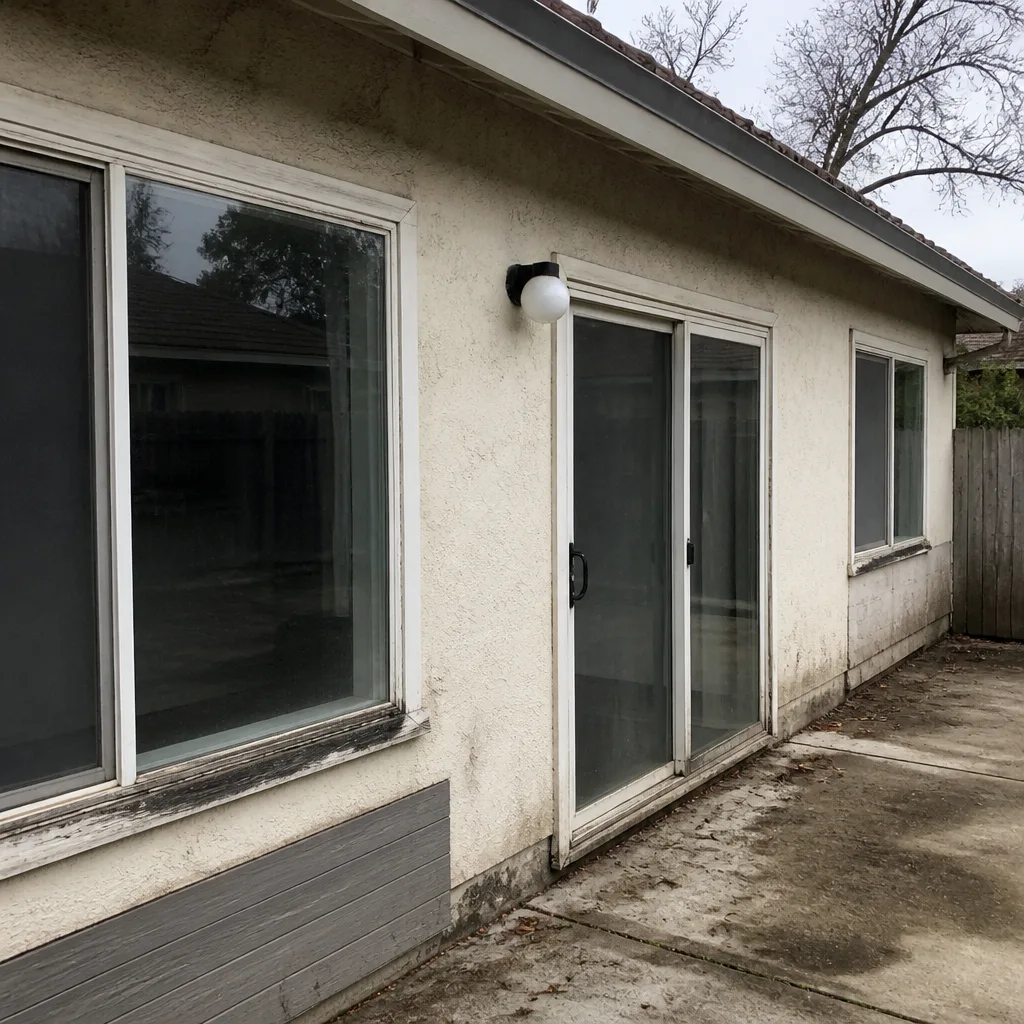
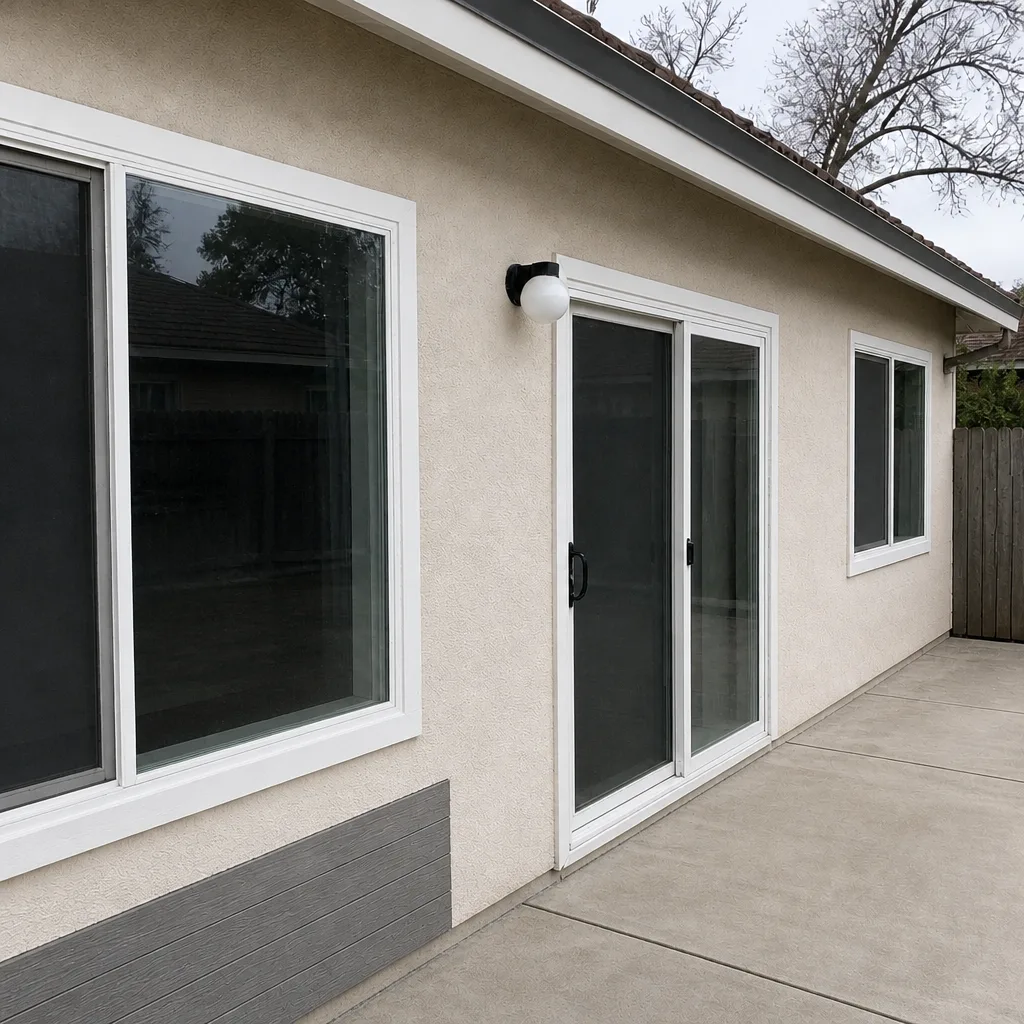
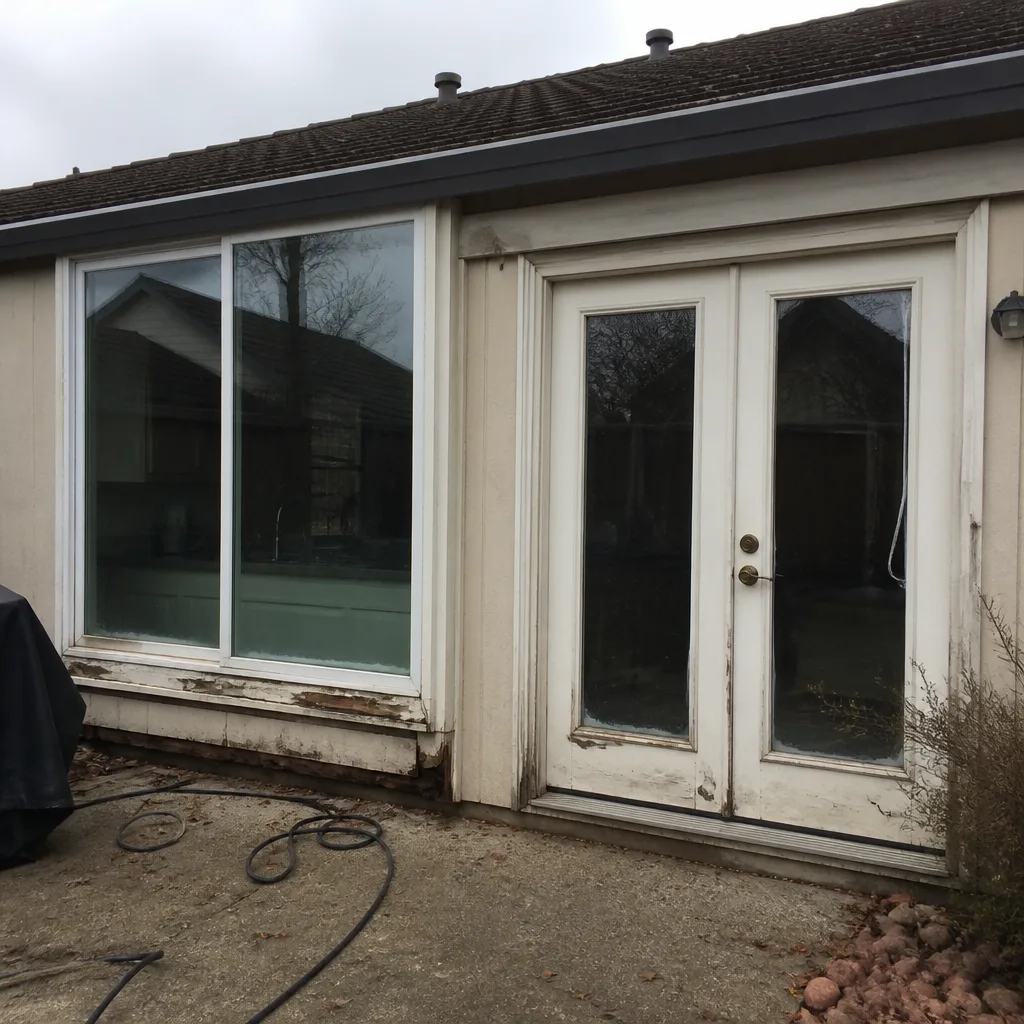
See the difference
 Before
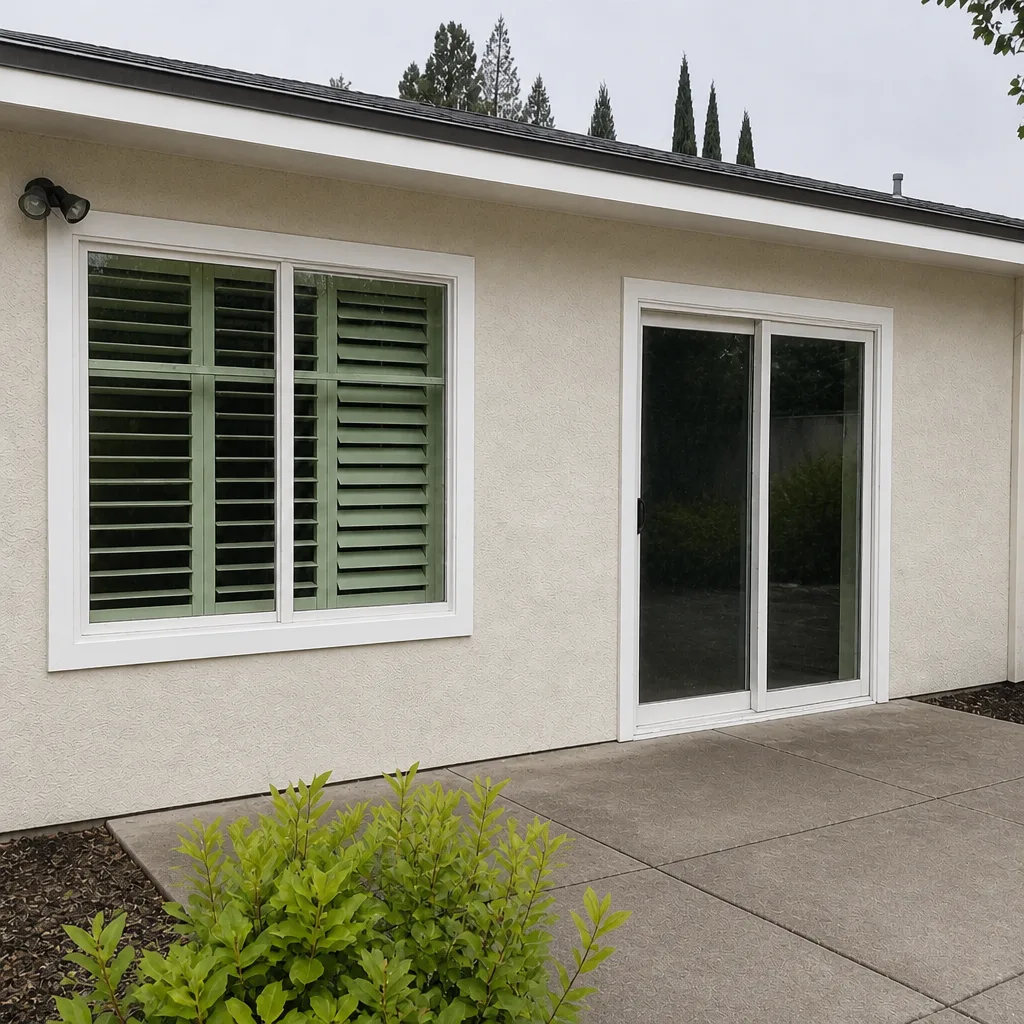 After
 Before
 After
 Before
 After
When to Call a Professional
Call a professional when maintenance stops solving the problem. The scenarios that most clearly deserve a call: multiple fogged glass units on the same side of the house; water at the interior sill after new caulk and cleared weep holes; frames that are chalky, cracked, or warped; hardware that fails repeatedly; or a window that won’t close flush. These are signals that the unit is past maintenance and a replacement decision is coming. A professional can also inspect the rough opening and exterior sealant, which is where many leaks start and where a homeowner can’t always see the problem. If you’re unsure whether a given window is a warranty claim, a glass swap, or a full replacement, an inspection answers that before you spend anything on the wrong fix.
Roseville Window Replacement Pros offers free estimates in Roseville – call (279) 529-6442. Any replacement project we take on is three or more openings, with a written line-item estimate so you can see the scope before committing. Our technicians have up to 13 years of experience, and the local pro is licensed and insured as their state requires.
Frequently Asked Questions
Clean window frames two to three times a year with mild dish soap and water, and spot-clean sticky marks with diluted isopropyl alcohol. The reason to keep it regular here is UV exposure: sun ages the frame finish faster, and a clean, intact surface holds its protection longer than a grimy one does. Avoid ammonia cleaners on gaskets and frames entirely.
Fog formed on the interior glass is condensation from house humidity and usually points to a ventilation issue. Fog between the panes is a failed sealed unit and requires replacing the insulated glass. It doesn’t come from humidity in the room, and it doesn’t clear on its own. If you see it in several units, it’s worth a professional look before you choose a fix.
No. Once the seal around the gas space fails, the unit must be replaced, not resealed. Any product or service promising to purge or reseal a failed glass unit will not restore the thermal performance the window was built to deliver. The correct next step is to check the warranty and then replace the glass unit.
Spring, before the first heat wave, is the best time to test weatherstripping. That’s when the gaps are easiest to find and fix before summer heat puts the seal under real load. Run the dollar bill test and the light test around every opening, then repeat the visual check in the fall before the rain.
No. Vinyl and fiberglass frames are lower maintenance than wood, but they still need the same cleaning and seal checks, and here they age faster under strong UV. Frames from lines like PGT and CGI are built for the climate, yet even those need gentle cleaning and a weatherstripping check each year. Maintenance doesn’t go away; it just changes shape.
Because the region’s rain concentrates into a few months from December to February, any drainage or seal problem gets its full test in that window. A blocked weep hole has the whole wet season to let water back up into the frame. Clear every weep hole in fall, then check sills after the first big storms.
The Bottom Line
Windows don’t maintain themselves, and the tasks that matter most in Roseville are the ones the manufacturer care sheet leaves out. Clean frames with mild soap and water or diluted isopropyl alcohol, never ammonia. Test weatherstripping in spring before the heat. Clear weep holes in fall before the concentrated rain season. Lubricate hardware twice a year. Inspect for fogged glass each fall, and know that a failed unit is a replacement, not a reseal. Do those four things on schedule and a well-chosen window keeps performing through the climate it was built for. Skip them, and the most common failure mode isn’t a bad product; it’s a cleaning mistake with a nickname.
If your windows have reached the end of their maintenance life and you’re ready to select product, our team works with an eight-brand lineup, from PGT and CGI impact-rated lines to thermally efficient options, so the opening drives the choice. Call (279) 529-6442 for a free, written estimate.
Written by the team at Roseville Window Replacement Pros.