
Last updated November 25, 2026
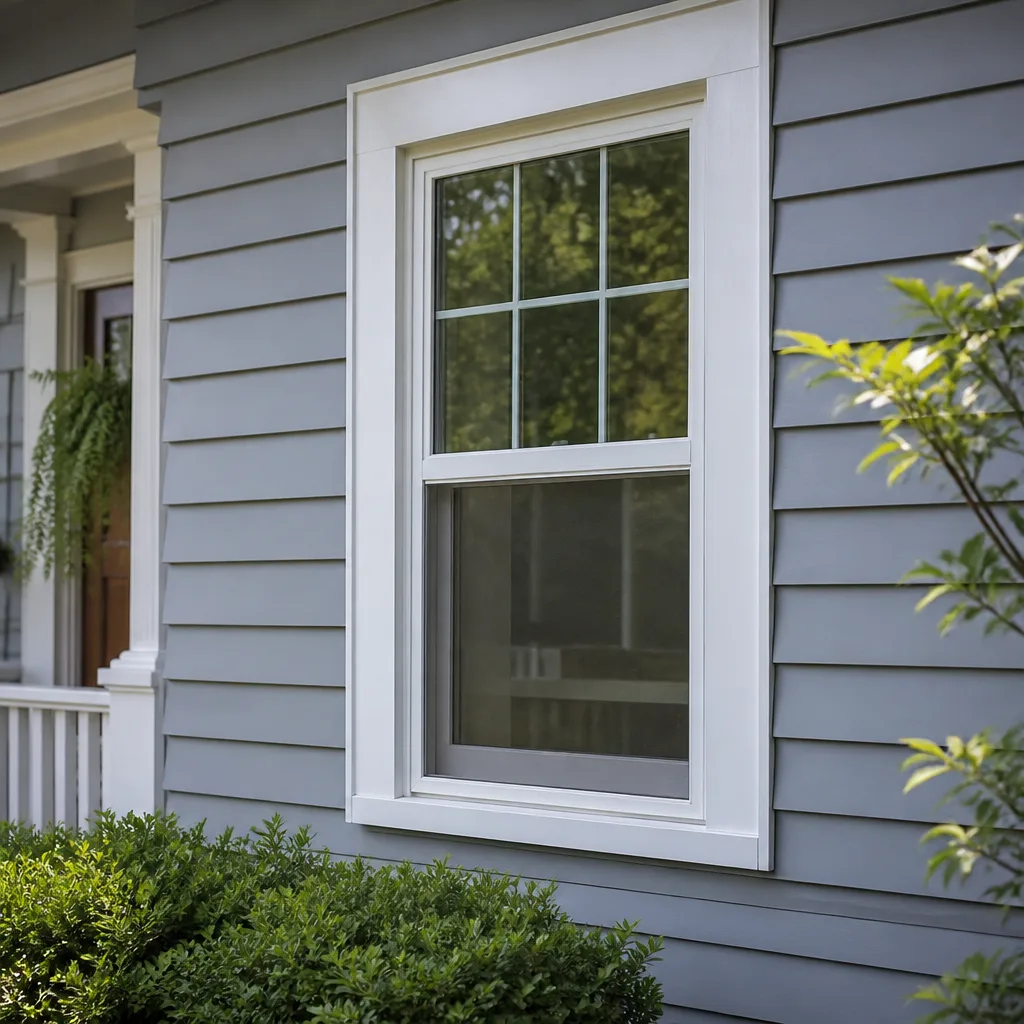 Single hung
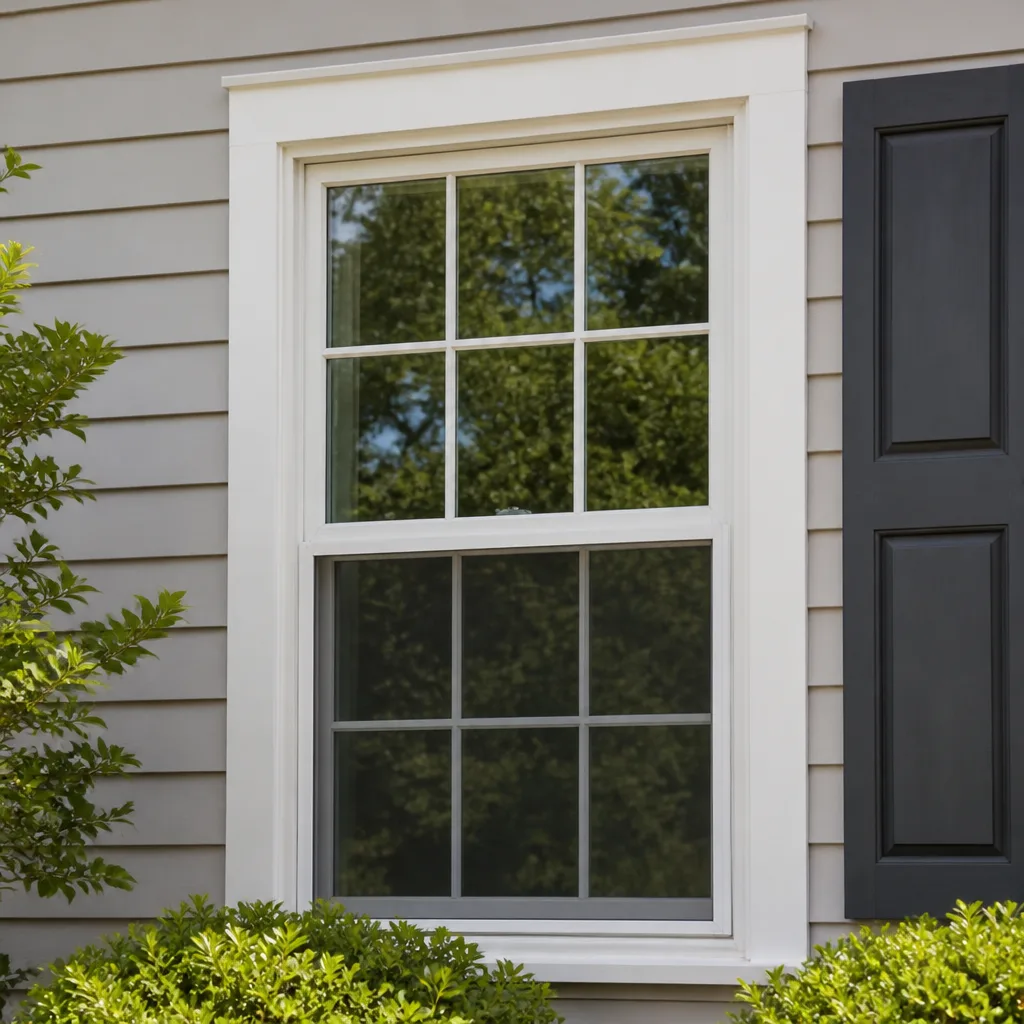 Double hung
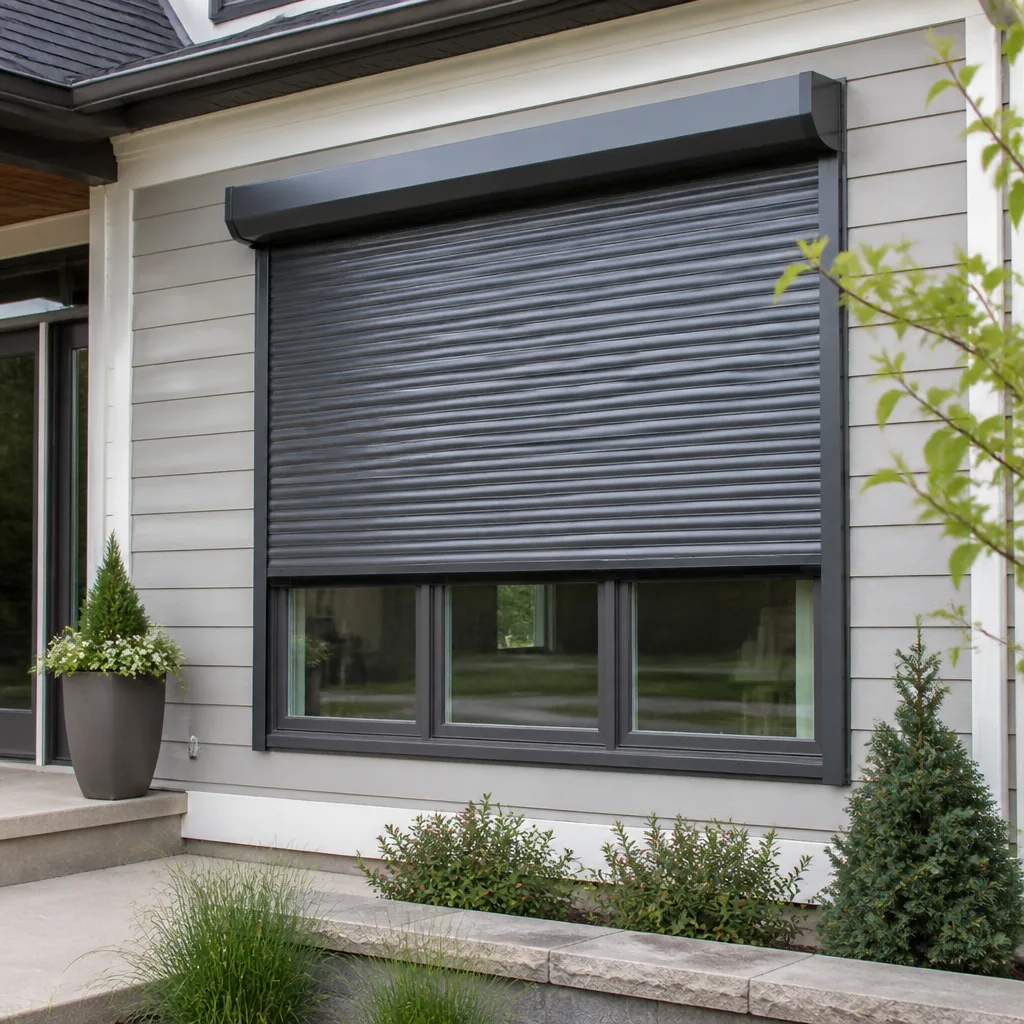 Horizontal roller
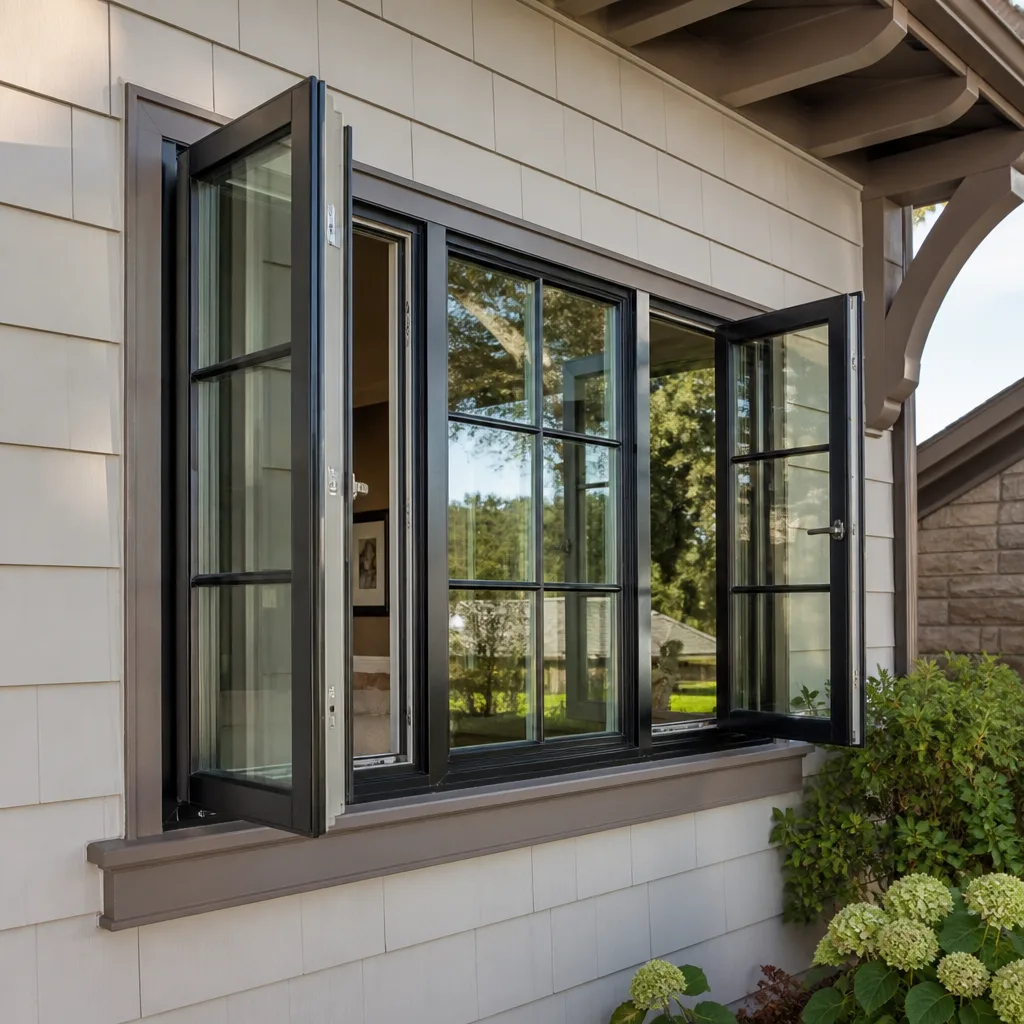 Casement
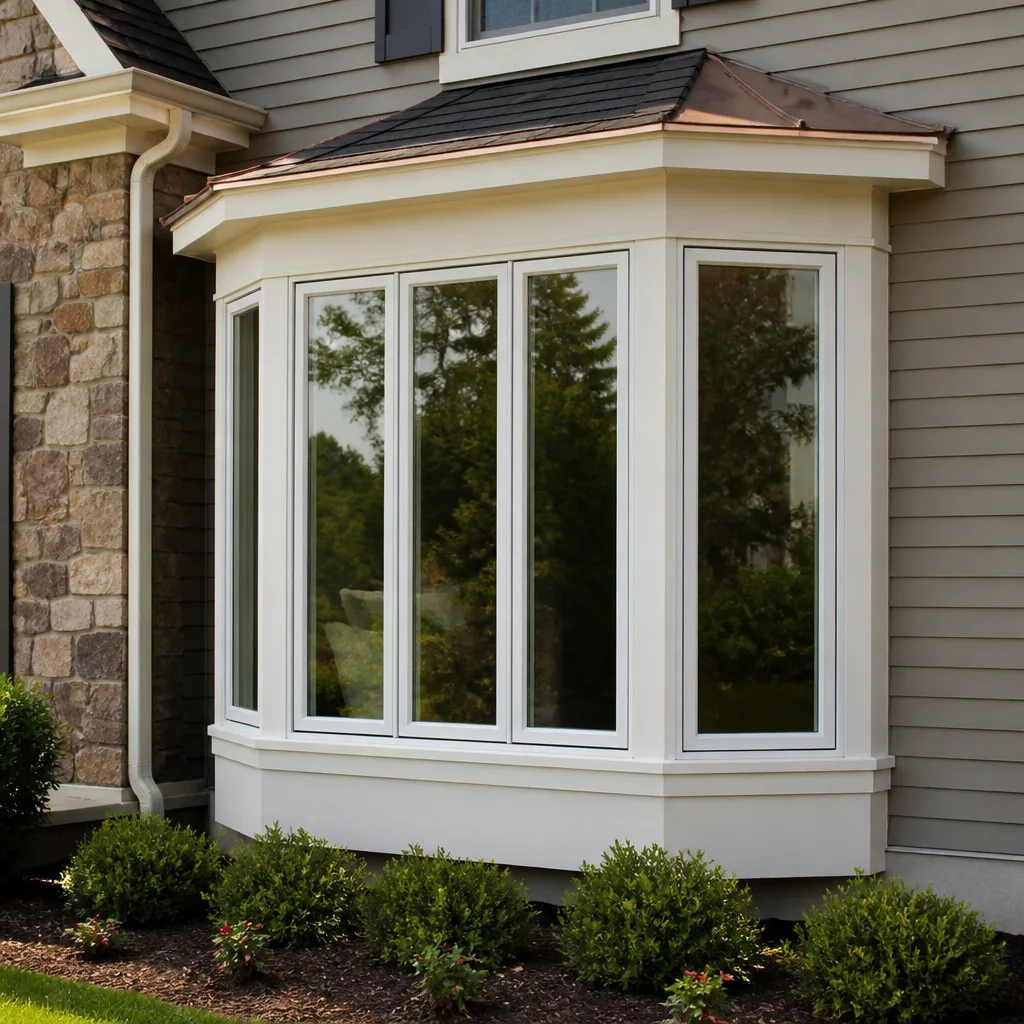 Bay & bow
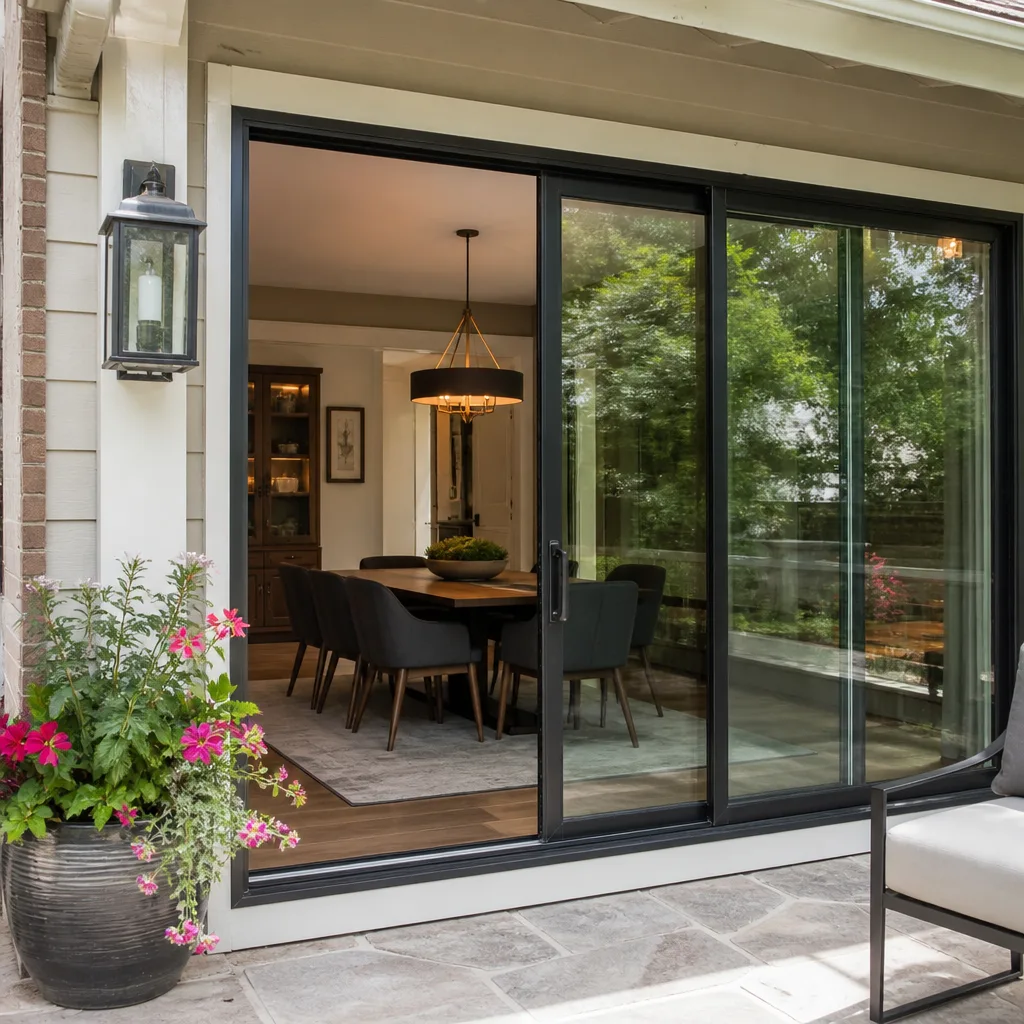 Sliding glass doors
 Entry doors
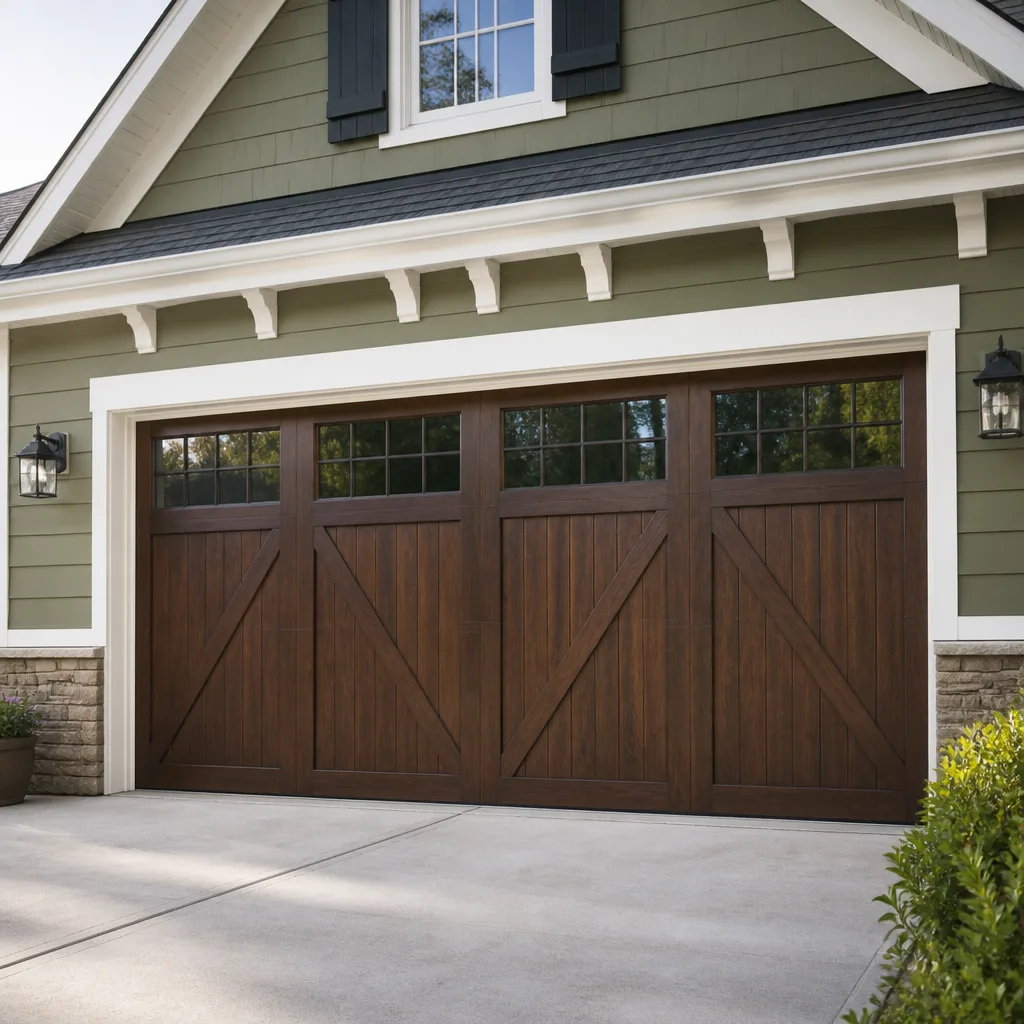 Impact garage doors
 PGT
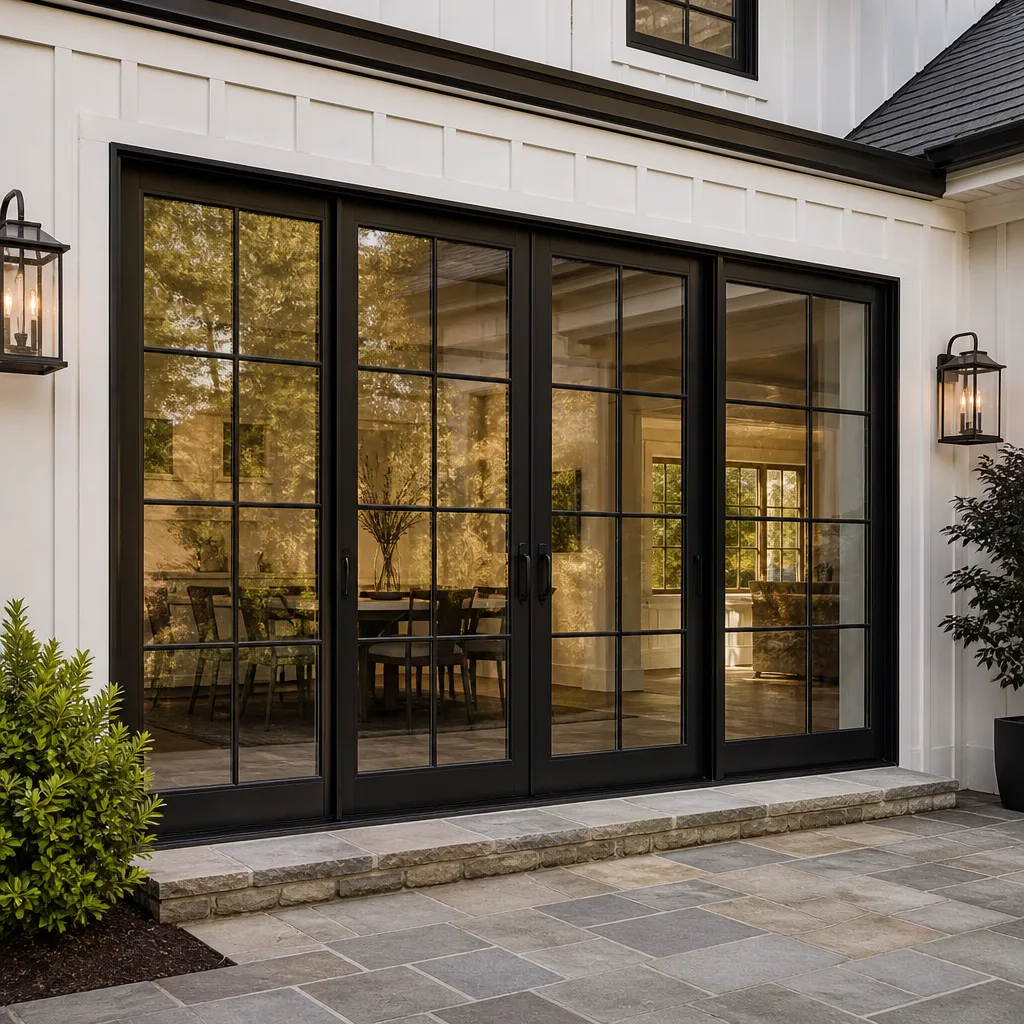 CGI
Free in-home measure and quote - PGT, CGI and CWS impact lines compared on your actual openings, style by style
Get your free estimateWindow Replacement Troubleshooting in Roseville: Common Problems and How to Fix Them
A foggy double-pane window and a window that won’t latch look like two unrelated problems. In Roseville’s heat, they often share one root cause: weatherstripping that failed quietly, letting moisture and pressure cycles work on your window from the inside out for years before you noticed. Most homeowners we talk to assume a failing window means the whole unit gave out. Usually it doesn’t. Something around the unit failed first, and knowing which part failed is what decides whether you need a new window or just a corrected one. This guide walks you through the three failures that look alike but aren’t, how Roseville’s thermal swing speeds some of them up, and how to tell when a small symptom is actually an urgent warning.
Quick Answer
Most window problems in Roseville come from one of three distinct failures: a failed glass seal (the IGU), a failing frame or weatherstripping at the opening, or rot and settling in the rough opening behind the frame. Seal failure and weatherstripping issues are usually solved by replacing the affected unit or having an installer correct the fit. Rough-opening rot and foundation settling are structural problems that a new window over the top will not solve. Diagnose which one you have before you spend anything.
Styles & brands we work with
- Single hung
- Double hung
- Horizontal roller
- Casement
- Bay & bow
- Sliding glass doors
- Entry doors
- Impact garage doors
- PGT
- CGI
Table of Contents
- The Three Failures That Look Identical
- Why Roseville’s Thermal Cycling Kills Seals Faster
- Draft and Condensation Patterns That Signal Installation Defects
- When a Sticking Window Is a Foundation Problem
- A Step-by-Step Diagnostic You Can Do Yourself
- What’s DIY-Safe and What Voids Your Warranty
- Matching the Product to the Problem
- The Five Symptoms That Mean Urgent, Not Someday
The Three Failures That Look Identical
When a window goes bad, the visible symptoms cluster into three groups, and they can overlap so much that homeowners treat them as one problem. They’re not, and the fix for each is completely different. Getting this diagnosis right is the single most important step before you call anyone or sign anything.
1. Seal failure inside the insulated glass unit
A modern dual-pane window is sealed at the edge of the glass sandwich. When that seal lets go, moisture gets between the panes and fogs, streaks, or leaves a hazy film you can’t wipe off because it’s on the inside. This is a product failure confined to the glass. The frame is fine, the opening is fine. Replacing the glass unit resolves it.
2. Frame or weatherstripping failure
Here the glass is fine but the movable parts and the seals around the sash have worn. You feel a draft on a cool evening, the window rattles in wind, or the sash no longer seats tight when latched. This is a fit-and-seal problem at the opening, not inside the glass. Sometimes the fix is adjusting or re-sealing the existing unit; often it’s a full replacement if the frame itself is degraded.
3. Rough-opening rot or settling
This is the one that gets misdiagnosed most often. The frame can be visibly warped, the window sticks hard against itself, or you spot soft wood or a spongy sill when you press. The failure is behind the window, in the structure that holds it: the studs and framing of the rough opening. Moisture intrusion or foundation movement caused it. Replacing the window is a bandage until the structure is addressed, and no glass or frame product fixes a moving wall.
The tell is usually at the sill and the corners. Soft wood, crumbling paint over the frame, or a crack running from a window corner into the drywall points away from the glass and toward the opening. If you see those, the conversation changes. If you only see fog between the panes and the frame is solid, you’re looking at a glass-level problem.
Why Roseville’s Thermal Cycling Kills Seals Faster
Roseville runs hot summer afternoons and genuinely cold nights, and that daily swing is hard on glass seals. Every window unit expands as it heats and contracts as it cools, and a dual-pane assembly expands at a different rate than the frame holding it. Over a season of hot days and cool nights, the edge seals of an insulated glass unit go through thousands of these expand-and-contract cycles.
Coastal California sits in a narrow temperature band for most of the year, so seals there see gentle, gradual movement. Roseville windows don’t get that courtesy. A unit facing west or south takes a hard afternoon bake and then cools sharply overnight, day after day through summer. That repeated flexing is what eventually lets a seal fail, and once it does, the fogging is the visible result rather than the cause.
This matters for troubleshooting in a specific way: if a seal fails early on a window with good frame condition, the failure is more likely about the glass spec and its thermal limits than about anything the homeowner did. When we specify a replacement, the glass choice matters in Roseville more than in many markets. That’s the reason our lineup includes both impact-rated lines like PGT and CGI and thermally efficient lines, so the unit gets chosen for the load it actually carries rather than whatever one brand happens to stock.
- West- and south-facing glass takes the most afternoon heat and cycles hardest. Those windows fail their seals first.
- Windows under shade or on the cool side cycle less and typically last longer. Note which of your fogged windows are on which side of the house.
- Screen-covered units trap a pocket of hot air at the glass and can run a few degrees hotter than an unscreened one. Worth knowing if you’re comparing two windows on the same wall.
Draft and Condensation Patterns That Signal Installation Defects
Not every failing window was a bad product. Some were installed with a defect, and the symptoms of an installation problem look different from product wear if you know where to look. The pattern, not the degree, is the tell.
Draft patterns
- Drafts at the perimeter, where the frame meets the wall: this usually points to installation or sealing at the opening, not the window itself. Air moving at the edge is the giveaway.
- Drafts through the sash or at the meeting rail: this is more often weatherstripping wear or a sash that no longer seats, which can be a product issue or a fit issue.
- Drafts from one window on a wall while its neighbors are tight: a single odd-one-out in an otherwise tight room points to a fit or installation defect on that one opening.
Condensation patterns
- Fog or film inside the glass sandwich: seal failure in the IGU. Wiping does nothing because it’s not on a surface you can reach.
- Condensation on the room-side of the glass that wipes off: often a humidity-in-the-home issue rather than a window failure. Run the numbers on your indoor humidity before assuming the window is at fault.
- Moisture or staining at the frame edge or sill, worse in the morning: this is the one to take seriously. Water collecting at the opening rather than on the glass can mean failed perimeter sealing or intrusion that’s reaching the framing.
A single condensation event after a hot shower isn’t a failure. Condensation that returns to the same window edge every morning, or that leaves water stains on the sill, is telling you something about the opening. If you’re weighing those symptoms, it may be worth reading up on window installation practice, because the perimeter seal is where installation quality shows first.
When a Sticking Window Is a Foundation Problem
A window that sticks is the problem homeowners most often blame on the window itself, and it’s the diagnosis most often wrong. A sash that drags, grabs, or won’t slide square has four possible causes, and only two of them are about the window.
- The track, rollers, or pivot hardware are worn or dirty. Common on sliding units and casements. A hardware issue, often addressed without replacing the whole window.
- The sash has warped from heat or moisture. A frame material problem. Warped sashes no longer sit square in their frame and bind as they close.
- The house has settled and the opening is no longer plumb or square. When a wall moves, the rectangle the window sits in becomes a parallelogram, and the sash binds against it. No window product fixes this because the problem is upstream of the window.
- The opening has swelled from water intrusion. Framing takes on moisture, wood swells, and the window gets squeezed. This is the rot scenario, and it means addressing the structure.
The way to tell foundation settling from a window problem is the pattern across the whole house. If one window sticks and everything else works, suspect the window or its hardware. If several windows on one side of the house stick, and doors on that side have started to rub or latch poorly, suspect settling. A crack that runs from a window corner toward the ceiling at a diagonal, or a door that swings on its own, are signs that the house is moving rather than the windows failing.
This distinction matters because it decides who you call and in what order. If settling is the cause, the structural issue gets dealt with before new windows go in. If you replace windows over a moving opening, you’ve bought new units that will bind within a summer. Our advice to homeowners in Roseville is straightforward: if more than one opening on the same wall is binding, have the structure looked at before you price glass.
A Step-by-Step Diagnostic You Can Do Yourself
Before you call anyone, run this sequence. It takes about fifteen minutes per window and it tells you and the estimator what kind of problem you’re dealing with. None of it involves taking anything apart.
- Clean the glass and confirm what’s actually there. Wipe both surfaces of the glass fully. If the fog or film remains and appears to sit between the panes, you’re dealing with seal failure, not surface grime.
- Check the frame and sill by hand. Press along the interior and exterior frame and sill with a thumb or a screwdriver handle. Soft, spongy, or crumbling wood at the sill or corners signals moisture damage in the opening, which points to rough-opening rot.
- Look for cracks and movement. Note any crack running from a window corner into the drywall, and check whether doors on the same wall rub or latch poorly. Both point to settling rather than a window defect.
- Do a careful draft test. On a cool evening, run the back of your hand slowly around the perimeter of the frame, then along the meeting rail and sash edges. Drafts at the perimeter suggest a sealing or installation issue; drafts through the sash suggest worn weatherstripping or a sash that no longer seats.
- Watch condensation for a few mornings. Note whether condensation reappears on the room-side glass (usually a home-humidity issue) or in the glass sandwich (seal failure). Note whether it collects at the frame edge or sill, which is the more serious pattern.
- Test the operation across the whole house. Open and close every window on the same wall. Sticking isolated to one window points to that window; sticking across several points to the house.
- Count how many units are affected. This one is practical: the scope of the replacement job is set by how many openings show real failure, not by how many you assume. Worth knowing before you ask for pricing.
Write down what you find. A clear picture of which windows fog, which stick, which draft, and whether the frame feels soft will get you a more accurate estimate faster than a vague “they’re all bad.” If most of what you’re finding is glass-level seal failure with solid frames, that’s a replacement conversation. If you’re finding soft sills and multi-window binding, the order of operations is different. When you do move to replacement, the place to start is the process behind window replacement, because a proper job includes the rough-opening inspection that catches these issues before the new unit goes in.
What’s DIY-Safe and What Voids Your Warranty
Some window problems are safe to handle yourself and some aren’t, and the distinction isn’t just about difficulty. It’s about warranty and about whether touching a component makes future claims impossible. Both matter more than the effort saved.
Generally safe for a homeowner
- Cleaning glass and tracks with appropriate cleaners for the glass type. Routine, harmless, expected maintenance.
- Wiping off room-side condensation and addressing the source, like running ventilation or managing indoor humidity.
- Clearing debris from sliding tracks that isn’t bound up with the rollers or hardware.
Better left to a technician
- Adjusting hardware, pivot, or hinge components. On most units, the moving parts are covered by the manufacturer warranty, and homeowner adjustments can void a claim on the very part you’re adjusting. If a sash binds and hardware is the cause, a technician frees it without touching a warranty.
- Replacing glass or an IGU. The glass unit is a sealed, warrantied assembly. A homeowner replacing it, or removing it improperly, almost always ends the coverage on that unit. Because the glass is often the most expensive single component, this is the mistake worth avoiding.
- Removing or re-sealing a window at the opening. The perimeter seal is both a weather-seal and a structural tie to the wall. If the unit comes out and the perimeter seal is disturbed, the coverage on a leaking-related claim is at risk.
- Anything involving a soft or damaged frame. If the frame or rough opening shows rot, that’s a structural signal, not a maintenance task. Don’t cut, patch, or cover it before a technician has looked. Patching over rot disguises the problem and can void the claim if it’s later traced to the damaged area.
One specific caution: if you suspect seal failure in the glass, don’t drill a relief hole or remove the frame to drain it. The fog is inside a sealed unit, and any intervention turns a warrantied product failure into an un-claimable one. The right first step is a manufacturing or installation claim through your installer, not a tool. In our experience, homeowners who call a specialist first rarely regret it, and homeowners who cut into a fogged window almost always do.
Matching the Product to the Problem
Once you’ve diagnosed the problem, the next step is choosing the right replacement, and the choice should follow the diagnosis and the load the window carries, not the brand a dealer happens to push. That’s the whole reason a specialist works with more than one manufacturer. The job dictates the product, not the other way around.
For a Roseville home with sun-baked west-facing glass and a history of seal failure, the right glass spec matters more than the frame finish. For a home that also needs its entry and sliding doors replaced alongside the windows, matching the full envelope under one installer avoids the seams and mismatches that come from handing windows and doors to separate trades. We carry a range of lines including PGT, CGI, CWS, and ES Windows, which lets us specify a thermally efficient or impact-rated unit based on the opening’s exposure and the homeowner’s performance needs, rather than defaulting to a single brand.
- Fogged glass with solid frames: seal failure. The conversation is about the glass unit and the spec that will survive the thermal swing.
- Drafts at the perimeter and morning condensation at the sill: likely an opening and perimeter-seal issue, which points to how the unit is installed as much as what it is.
- Binding sash across several windows on one wall: structural. Address the cause, then plan replacement.
- Soft sills and crumbling frame paint: rough-opening rot. The structure gets handled in the course of the replacement, not papered over.
One practical note on scope: we handle window and door replacement and installation jobs of three openings or more. That minimum lets us give a real, worked-out estimate rather than a guess on a single unit. If you’re weighing a full job across windows and doors, it’s worth reading about door replacement in the same conversation, since the door openings often share the same wall conditions and the same thermal loads as the windows beside them. Further reading on the full-service scope is available at Roseville Window Replacement Pros.
The Five Symptoms That Mean Urgent, Not Someday
Most window problems can be planned on a reasonable schedule. A handful can’t, because the window is already passing water or daylight into the assembly, or the structure around it is degrading. These are the ones to act on rather than wait out. Roseville’s hot, dry summers and cooler nights don’t produce the driving rain of some regions, but the seasonal swings are hard on seals and the framing around them, and a slow leak at the opening is easy to miss until it’s expensive.
- Water staining or softness at the sill or frame edge that keeps returning. Moisture collecting at the opening, rather than on the glass, is working its way toward the framing. This is the most urgent of the group.
- A window that has cracked glass or lost its seal with visible water inside the unit. Beyond the cosmetic fogging, the unit is no longer protecting the assembly.
- A window that won’t secure when closed, or that a child could open. A safety-critical failure that needs a same-week conversation.
- Visible daylight through the frame perimeter on a closed window. This means an open gap at the opening, which lets in water as well as air.
- Multiple windows on one wall binding, with doors beginning to rub or latch poorly. A settling or structural signal that gets worse with time and makes any replacement plan premature.
The rule of thumb we use: if a symptom is glass-only, it’s a planning item. If a symptom involves water at the opening, the frame perimeter, or the security of the window, it’s a call-now item. Neither category is an emergency in the sense of a roof leak, and we won’t pretend it is. It’s a decision about order of operations, and getting the order right avoids spending twice.
Common Mistakes to Avoid
- Replacing windows over a settling or rotting opening. If more than one opening on a wall is binding, new windows will bind too within a season. Fix the structure first, choose the window second.
- Drilling into or “venting” a fogged IGU. The fog is inside a sealed, warrantied assembly. Any intrusion can end the manufacturer coverage on the single most expensive component.
- Treating one sticking window as a sign the whole set is bad. A single binding window often needs hardware or a sash adjustment. It doesn’t mean every window in the house is failing.
- Assuming room-side condensation means a bad window. Interior condensation that wipes off is usually a home-humidity question, not a window failure. Address the humidity before pricing glass.
- Letting a single brand decide the spec. A dealer who carries one line sells you that line regardless of your exposure. Ask what your west-facing glass needs and check the answer against the diagnosis.
- Covering soft wood with paint and caulk to get through a showing or a season. It hides the rot, complicates a future warranty claim, and lets the damage keep working. Have it looked at while it’s still small.
- Patch-repairing the perimeter seal on a window that’s leaking at the frame. The perimeter seal is part of how the unit is tied to the wall. Homeowner re-sealing over a failing seal often makes the underlying problem harder to diagnose and can put a leaking-related claim at risk. In Roseville, where windows and doors across the envelope usually share their exposure and their wall conditions, coordinating those openings under one installer keeps the fix consistent.
Our technicians have up to 13 years of experience with exactly these calls, and the pattern they see most often is a homeowner who skipped the diagnosis step and paid for glass that didn’t solve the problem.
See the difference
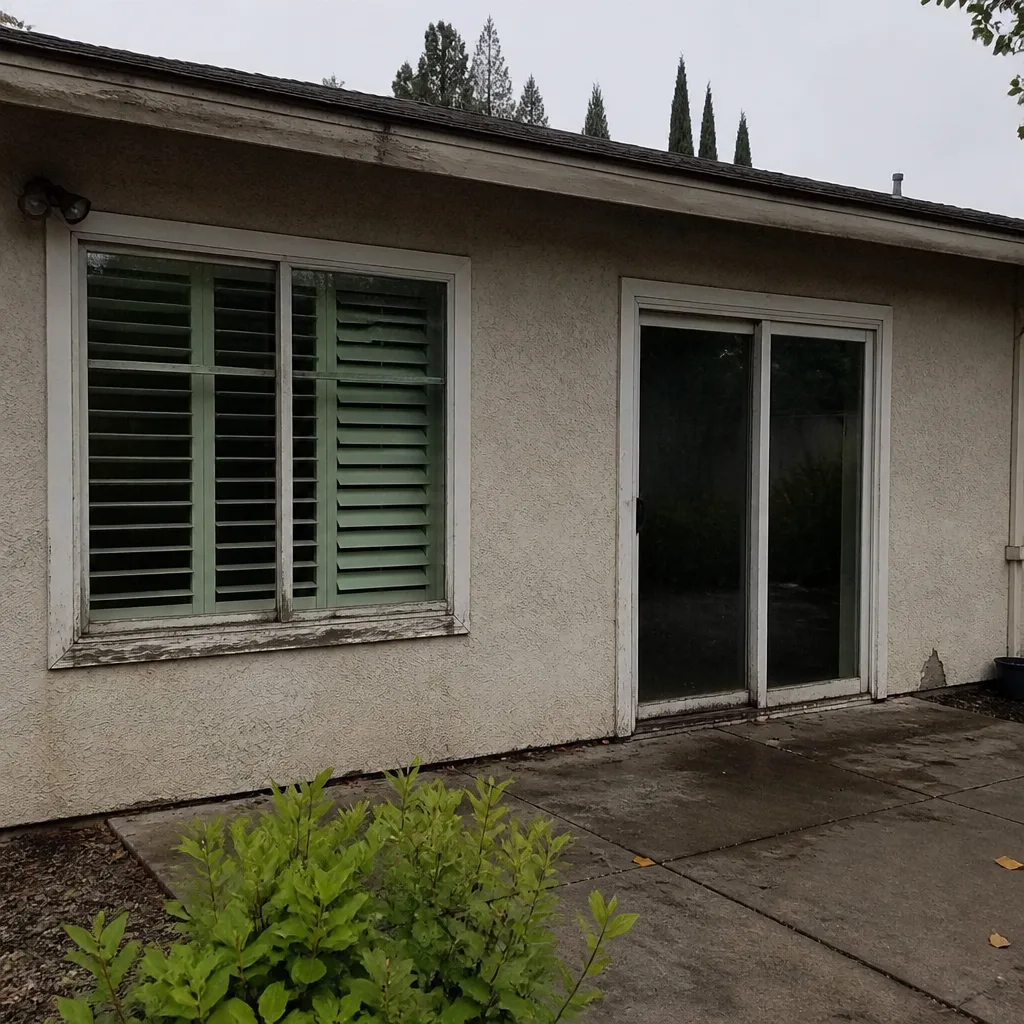 Before
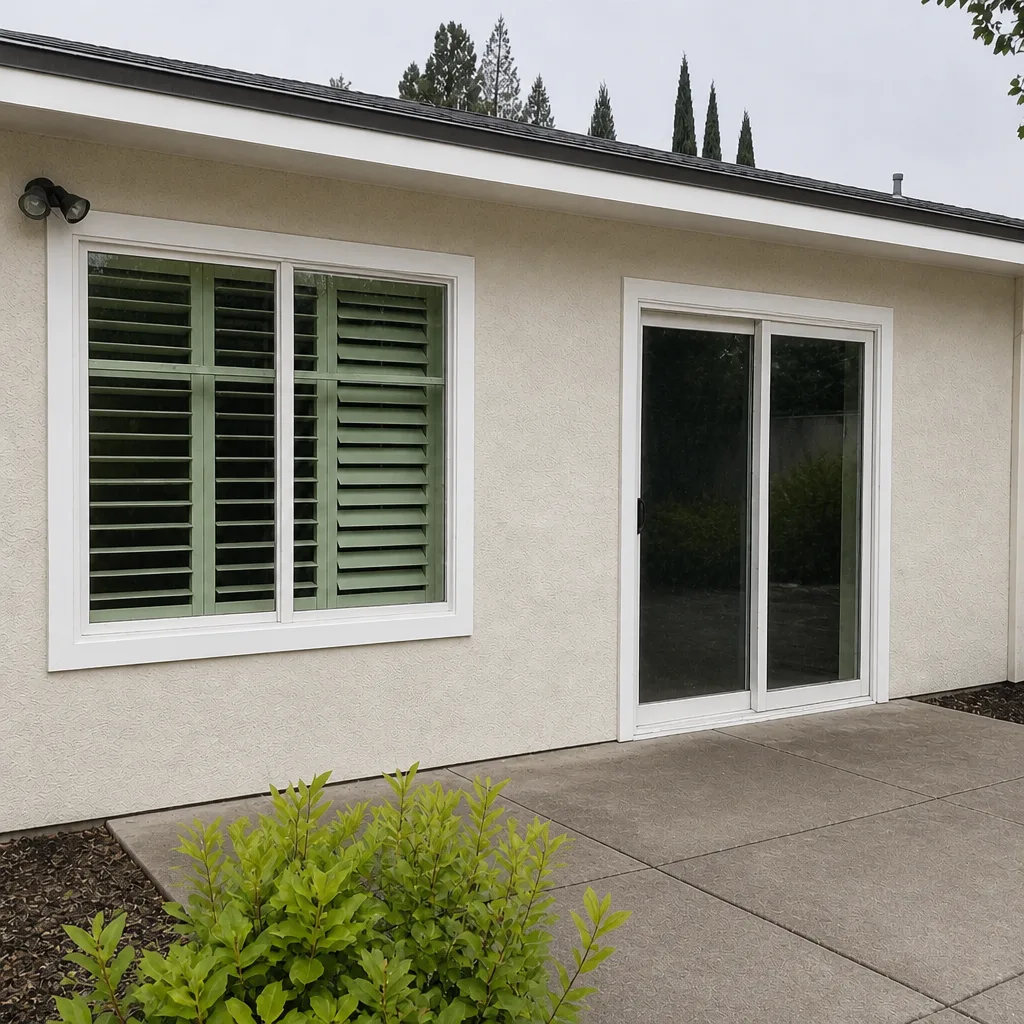 After
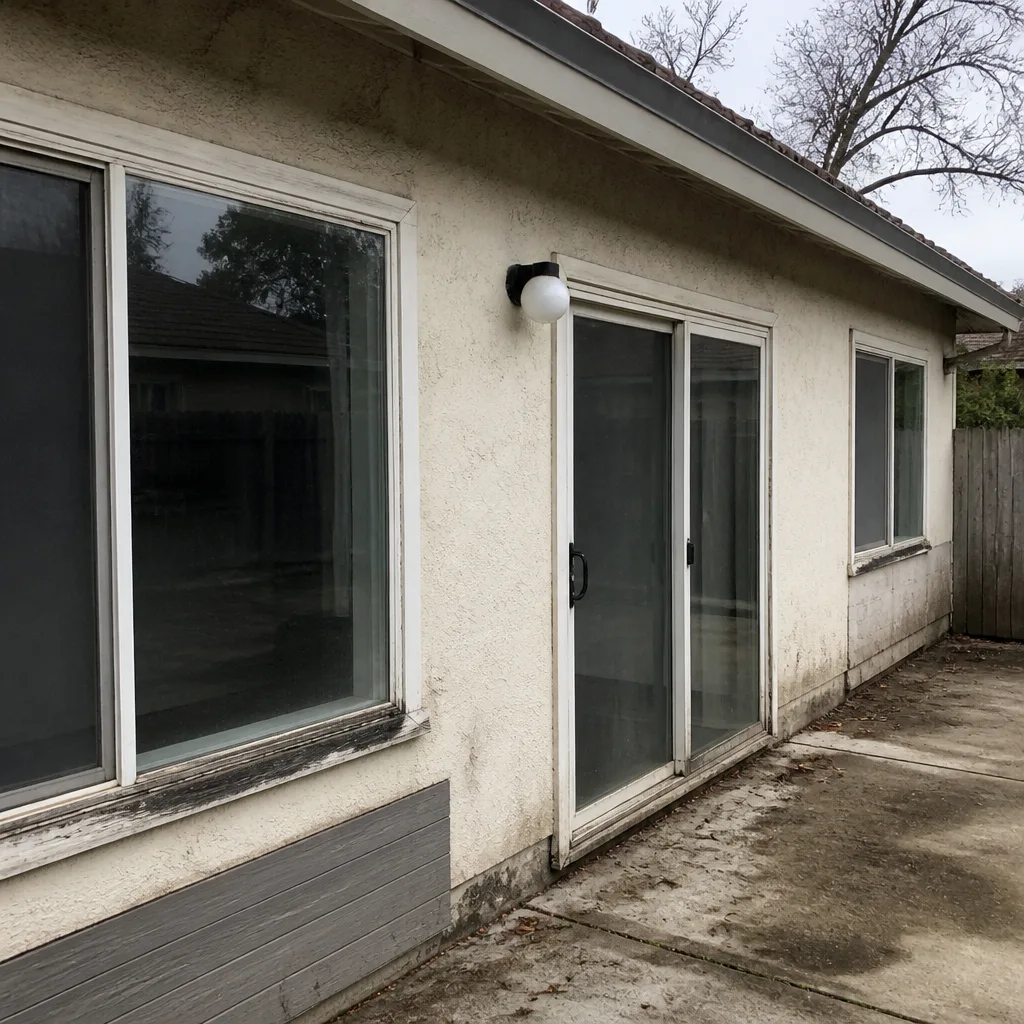 Before
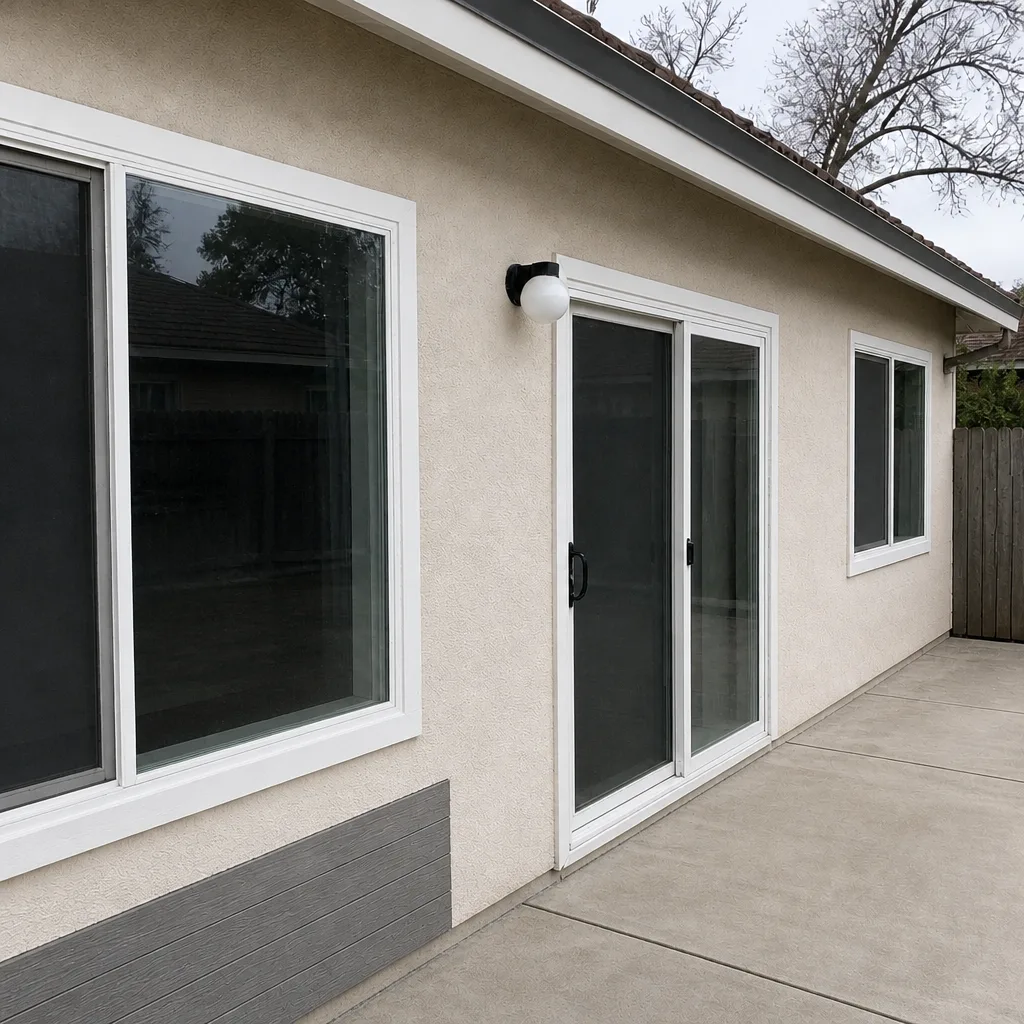 After
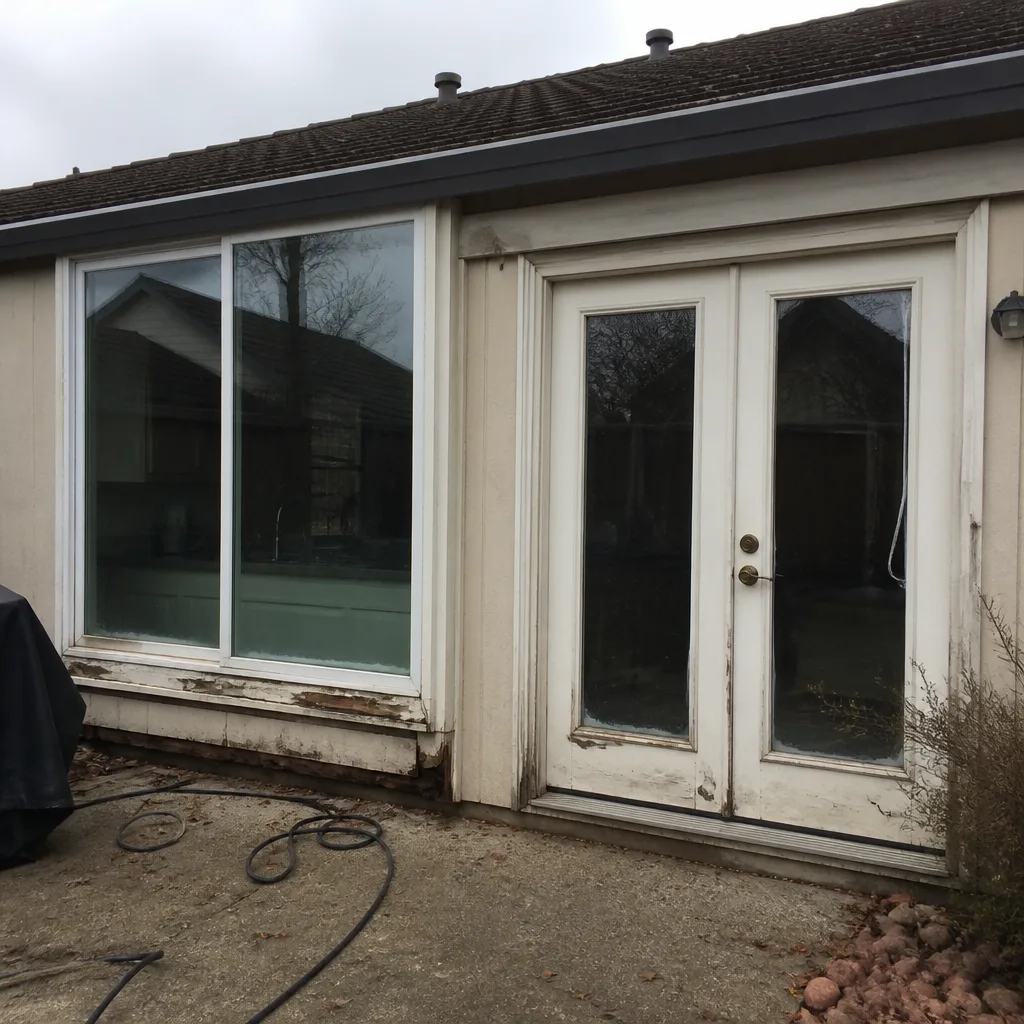 Before
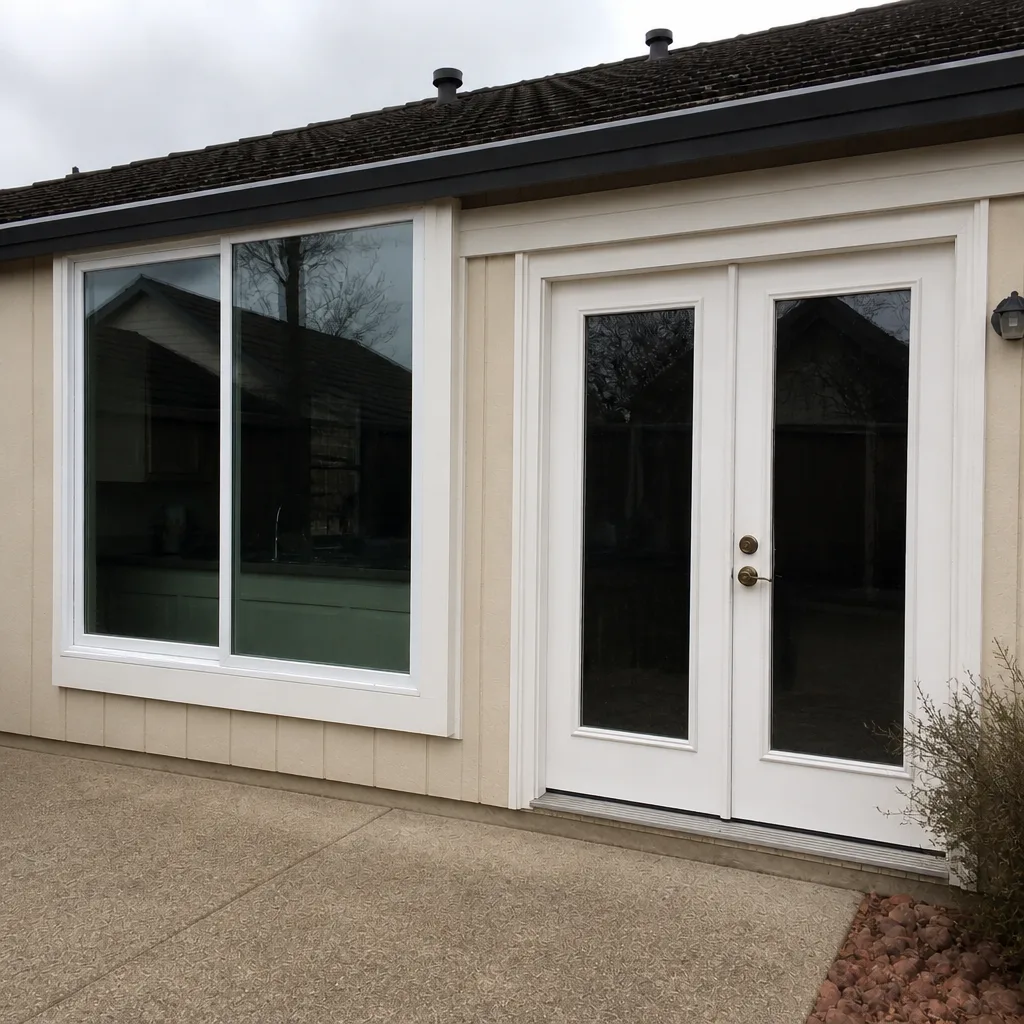 After
When to Call a Professional
Call when the diagnosis points to anything beyond surface grime and room-side condensation. That means fog that stays between the panes, a perimeter draft you can feel, condensation that returns to the frame edge or sill, a sash that binds, or any soft wood at the frame. Call sooner if a window won’t secure, if daylight shows through a closed frame, or if several windows on one wall have started to stick along with the doors. The purpose of the first call is a proper diagnosis, not a sales pitch: knowing whether you’re dealing with a seal, a frame, or an opening is what stops you paying for a replacement you don’t need, or skipping one you do. Roseville Window Replacement Pros offers free estimates in Roseville and works across eight manufacturer lines, so the recommendation follows the problem rather than a brand. Call (279) 529-6442 to schedule yours.
Frequently Asked Questions
Fog inside the sealed glass sandwich that you can’t wipe off is seal failure. Condensation on the room-side surface that wipes away is typically an indoor-humidity question, not a glass failure. If the cloudiness stays after you clean both surfaces, the insulated glass unit has lost its seal and the fix is the unit, not a cleaning.
When the frame is sound and the failure is in the glass, replacing the insulated glass unit can be enough, and it’s often the more economical path. If the frame, weatherstripping, or perimeter seal is degraded, though, a whole-window replacement makes more sense because the opening itself needs correction. That’s why the diagnosis step comes before the product decision. Call (279) 529-6442 for a free estimate and we’ll tell you which one your window actually needs.
Roseville’s hot afternoons and cold nights force the glass and the frame to expand and contract every day through summer. Seals flex through thousands of those cycles over a few seasons. Coastal California sits in a narrow temperature band, so seals there move less and last longer. The swing, not the heat alone, is what wears out the edge seal.
Check the pattern across the house. One sticking window points to that window’s hardware or sash. Several windows on the same wall sticking, along with doors that rub or latch poorly, points to the house settling and the opening going out of square. A new window over a settling opening will bind too, so the structure gets addressed first.
A draft at the perimeter of the frame is usually an issue with the seal at the opening, so whether a new window fixes it depends on what the installer does there. A replacement done right includes correcting the perimeter seal and checking the rough opening. If the draft comes through the sash rather than the perimeter, it’s more often weatherstripping wear, which a replacement handles.
Window replacement cost in Roseville runs by the opening and the glass spec, and it’s set by the load the window carries and the condition of the frame behind it. West- and south-facing windows with high thermal exposure cost more to spec correctly than shaded ones. We price per job by a written line-item estimate, the estimate is free, and the written quote sets the final price. Call (279) 529-6442 for an exact number on your openings.
Yes. We handle window replacement, window installation, entry door replacement, and sliding door replacement under one specialty, so a full-envelope job isn’t split between trades. That matters when doors and windows share a wall. See our door replacement page for how that side of the job works.
The Bottom Line
The lesson of every window problem is the same: diagnose before you spend. Fog between the panes is a glass problem. Drafts at the perimeter and morning condensation at the sill are opening problems. Binding across several windows on one wall is a settling problem that no glass product fixes. Get the diagnosis right and the fix is clean, the first time. Get it wrong and you pay twice. If your windows are failing and you want a straight answer on which category you’re in, call Roseville Window Replacement Pros at (279) 529-6442. Free estimates, written line-item quotes, and eight manufacturer lines to match the product to your actual need.
Written by the team at Roseville Window Replacement Pros.