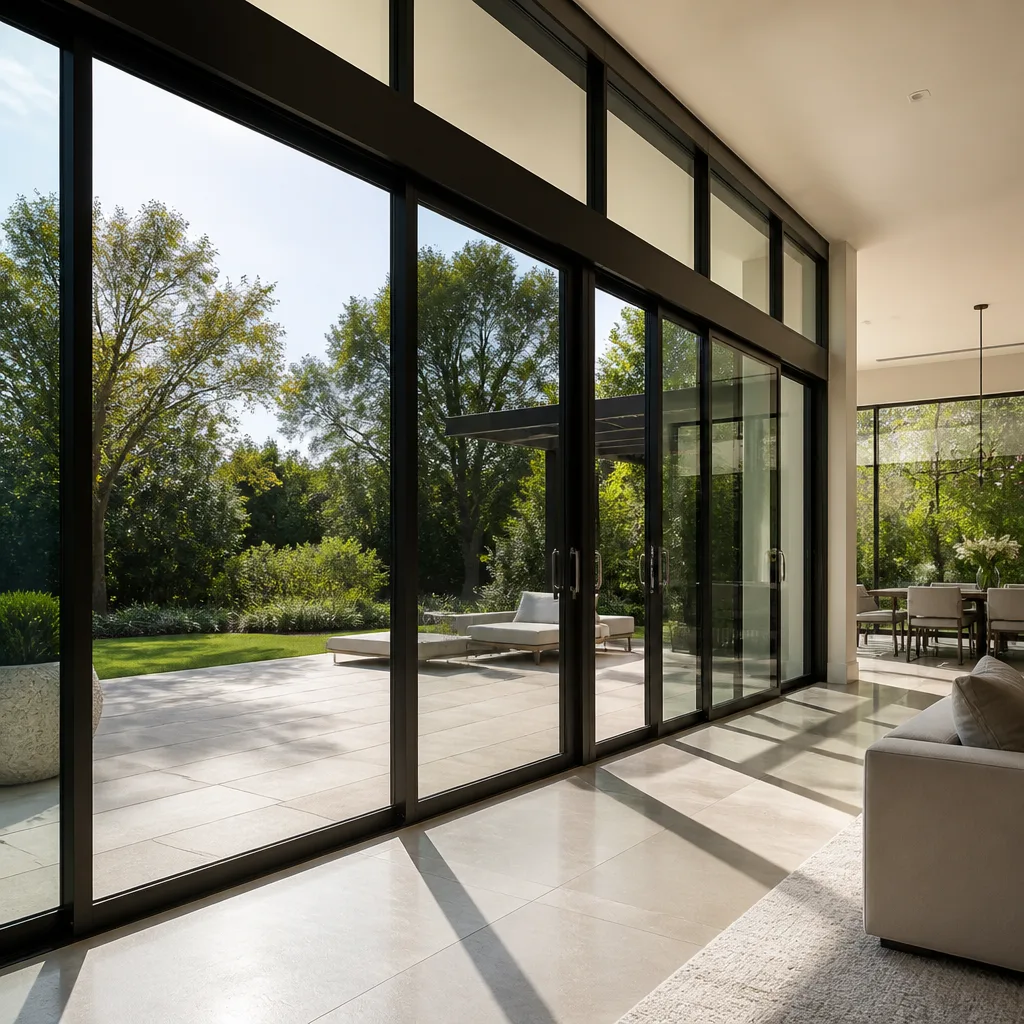
Last updated November 25, 2026
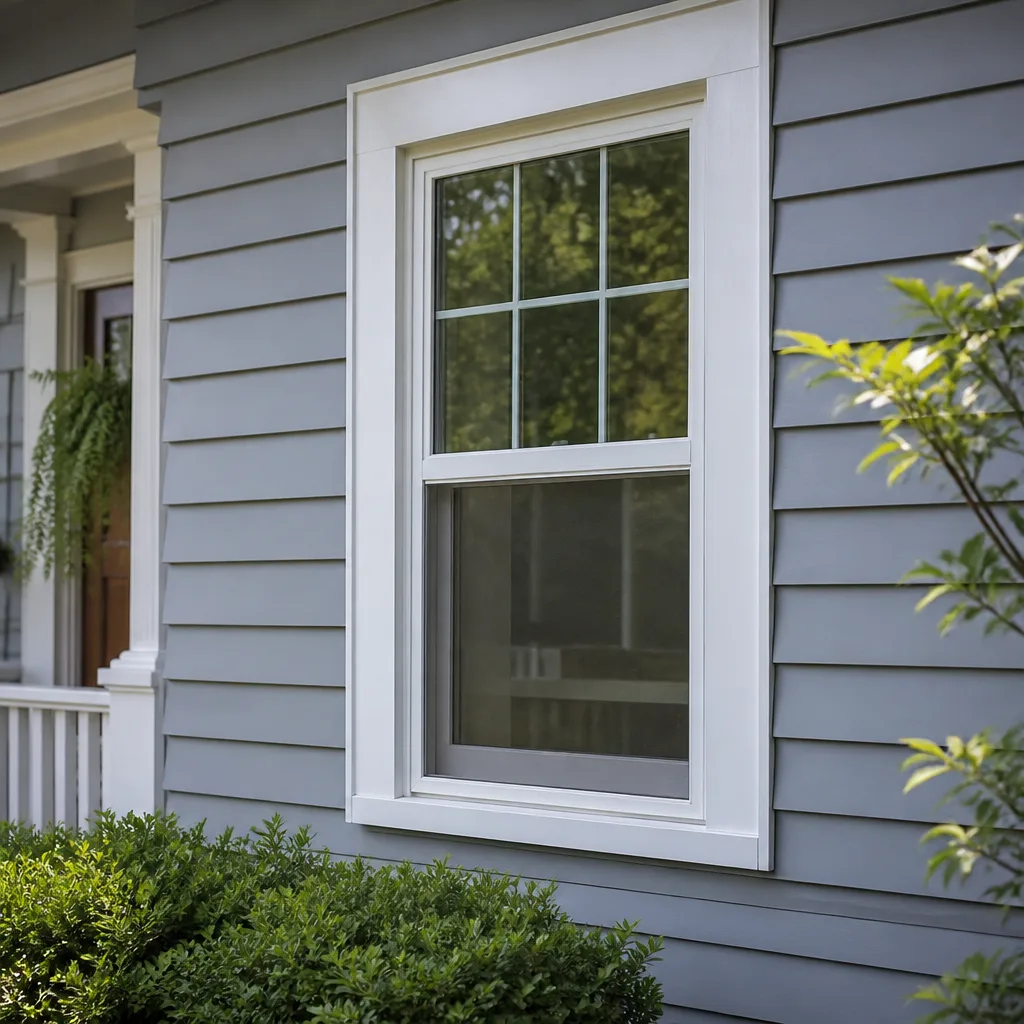 Single hung
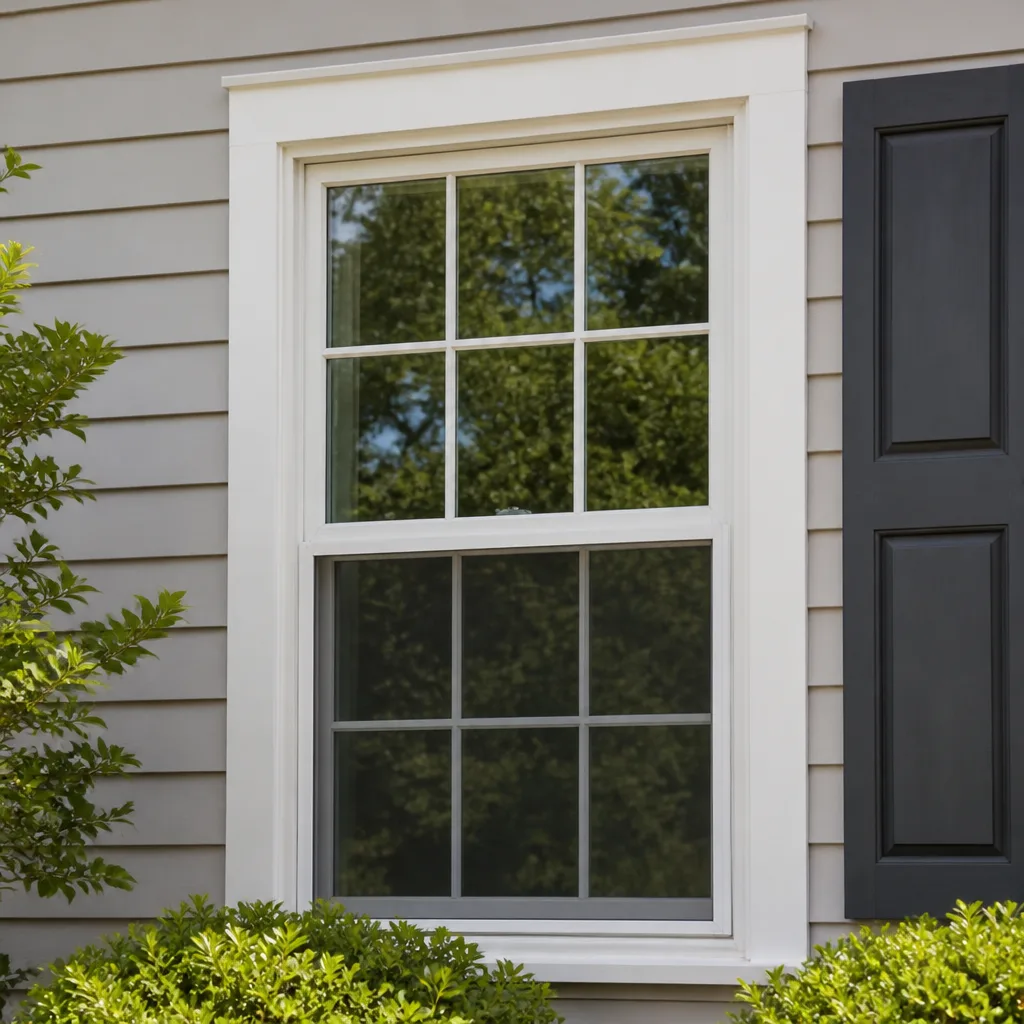 Double hung
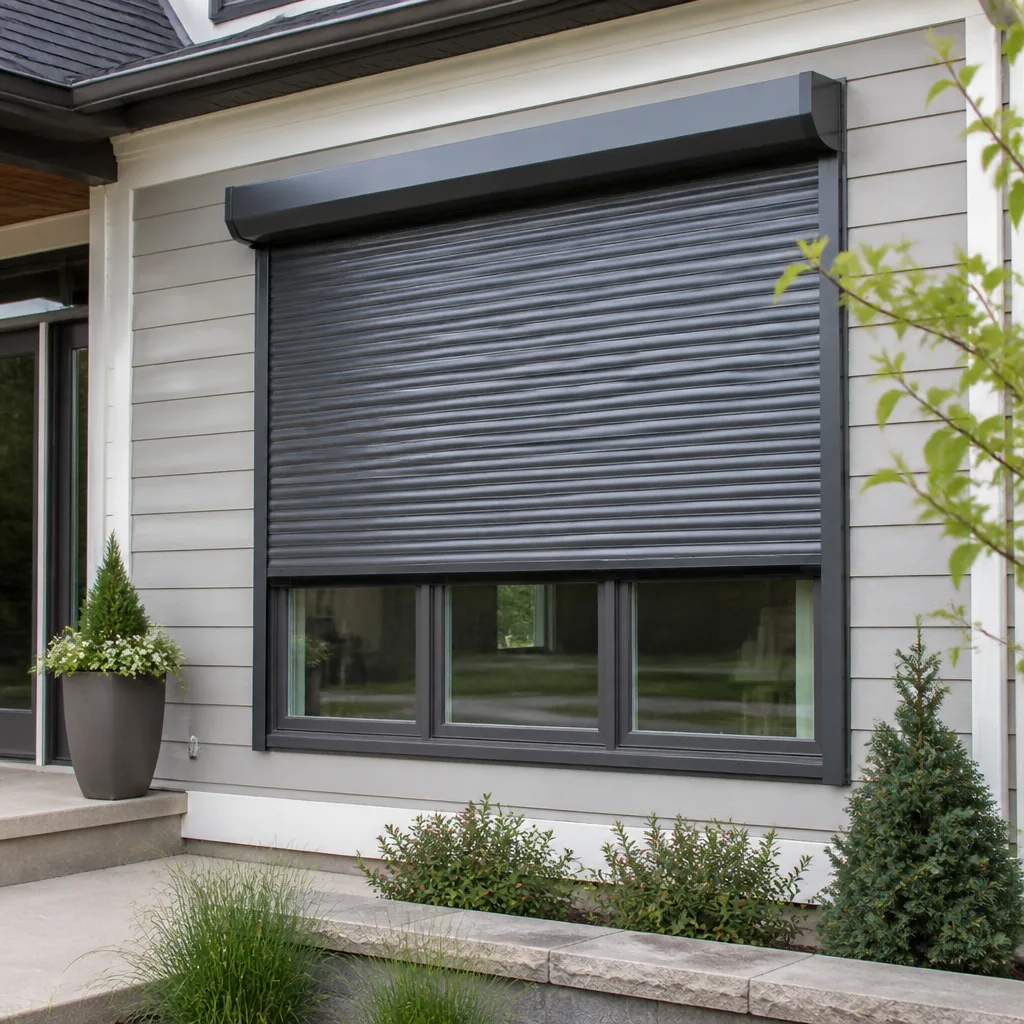 Horizontal roller
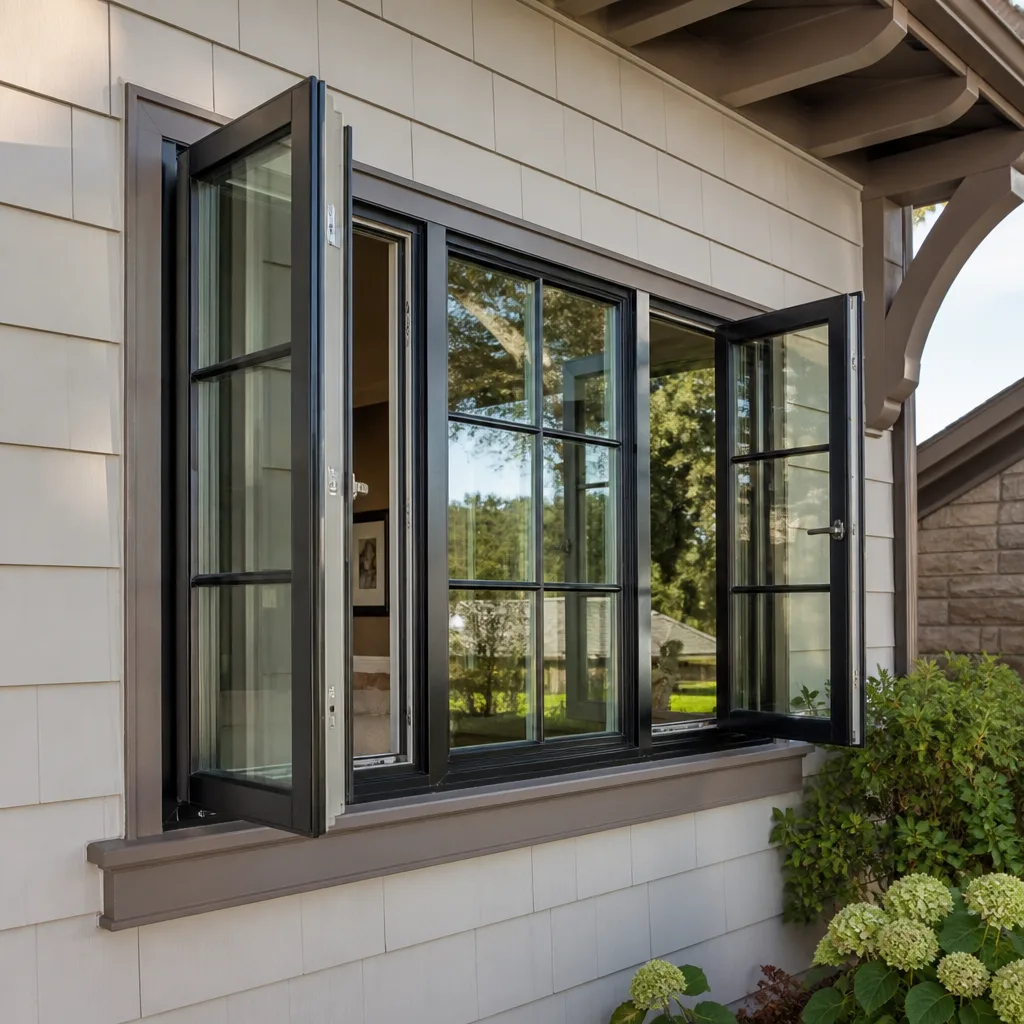 Casement
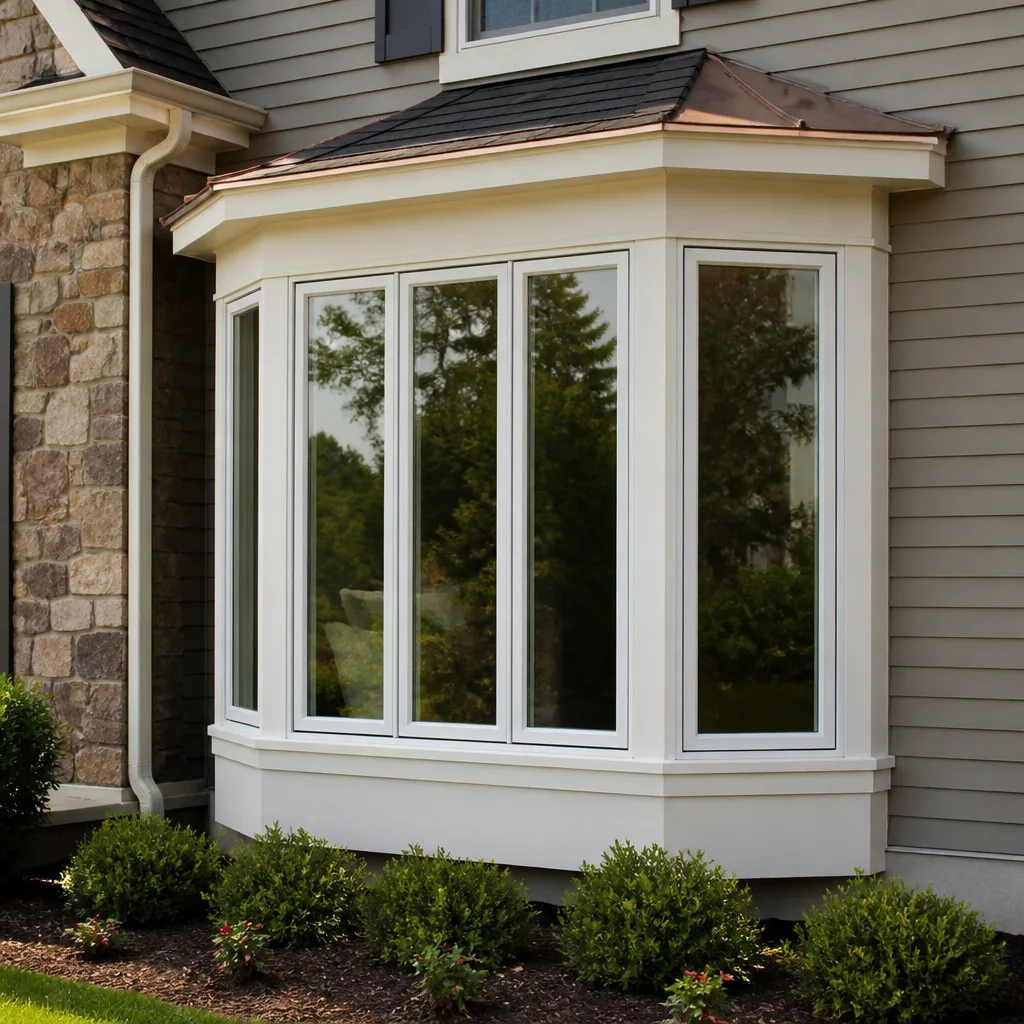 Bay & bow
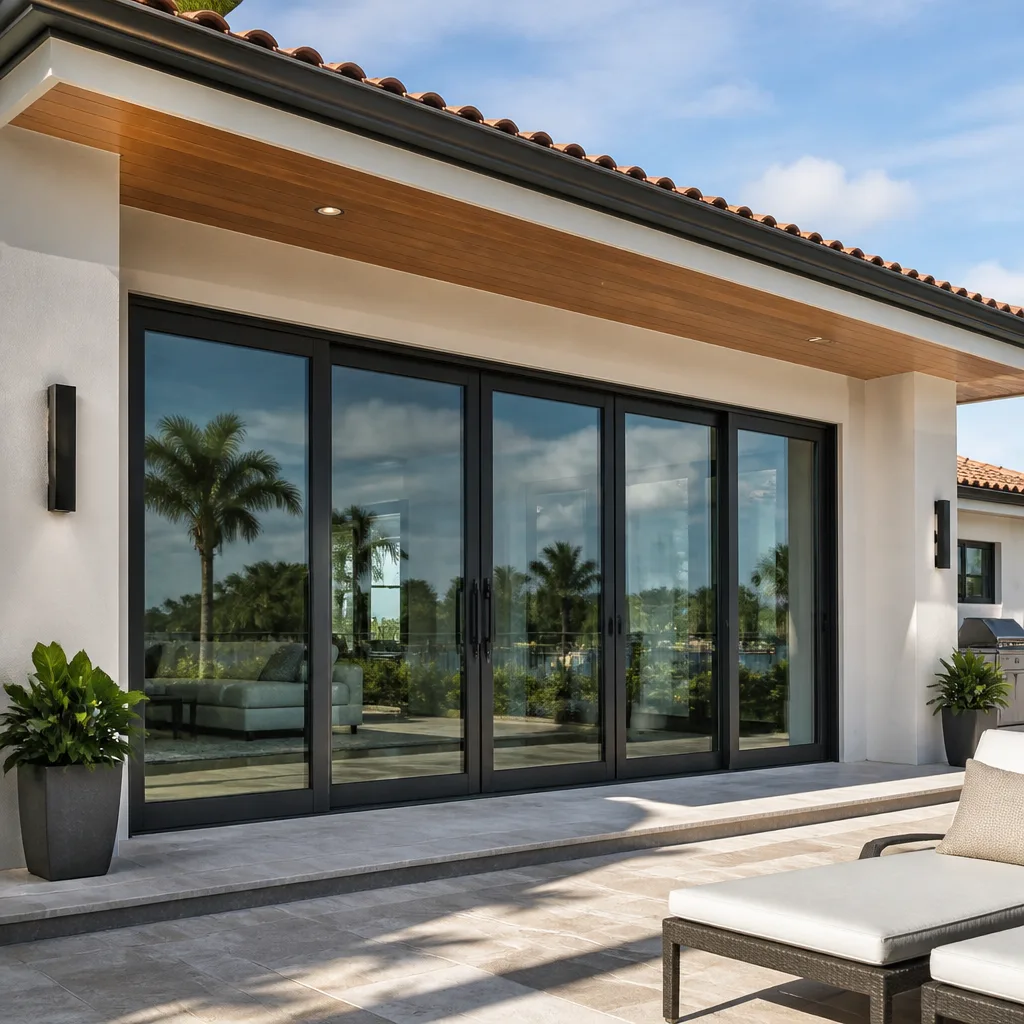
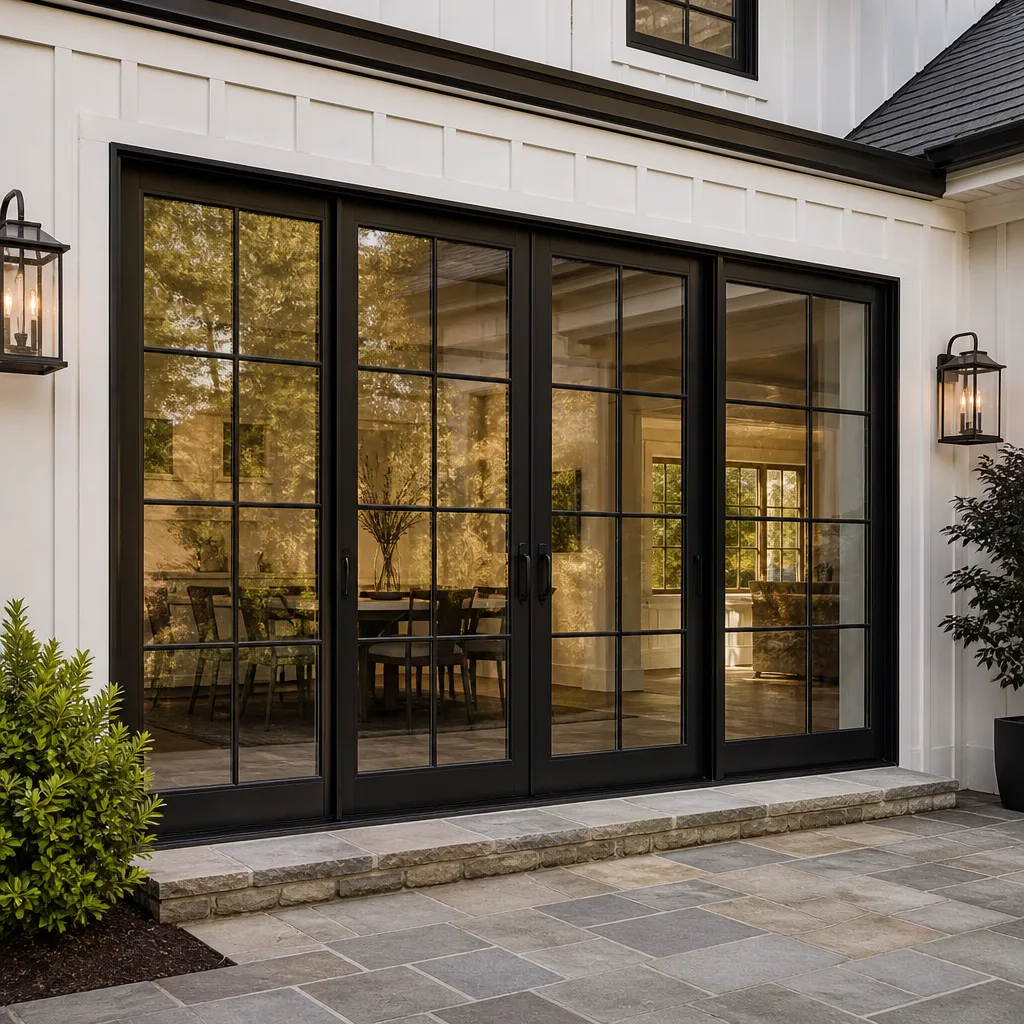
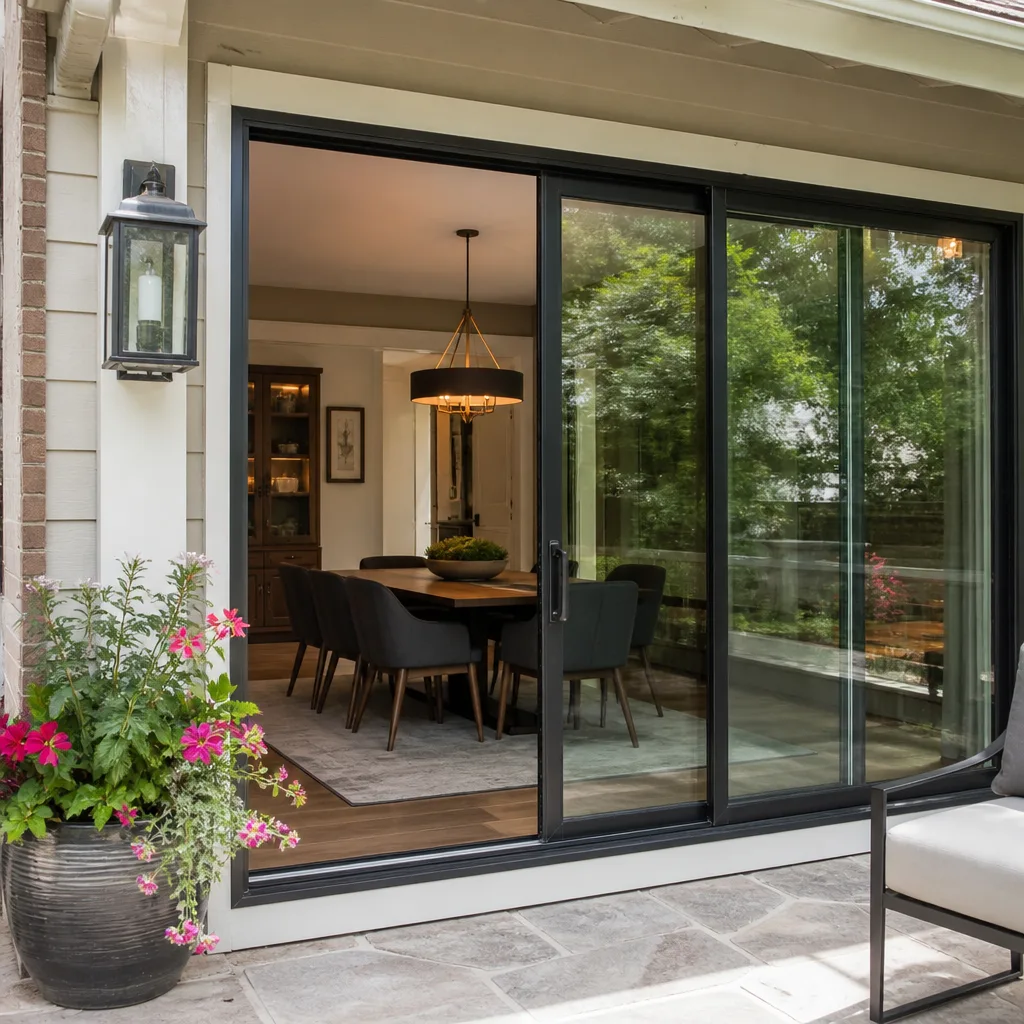 Sliding glass doors
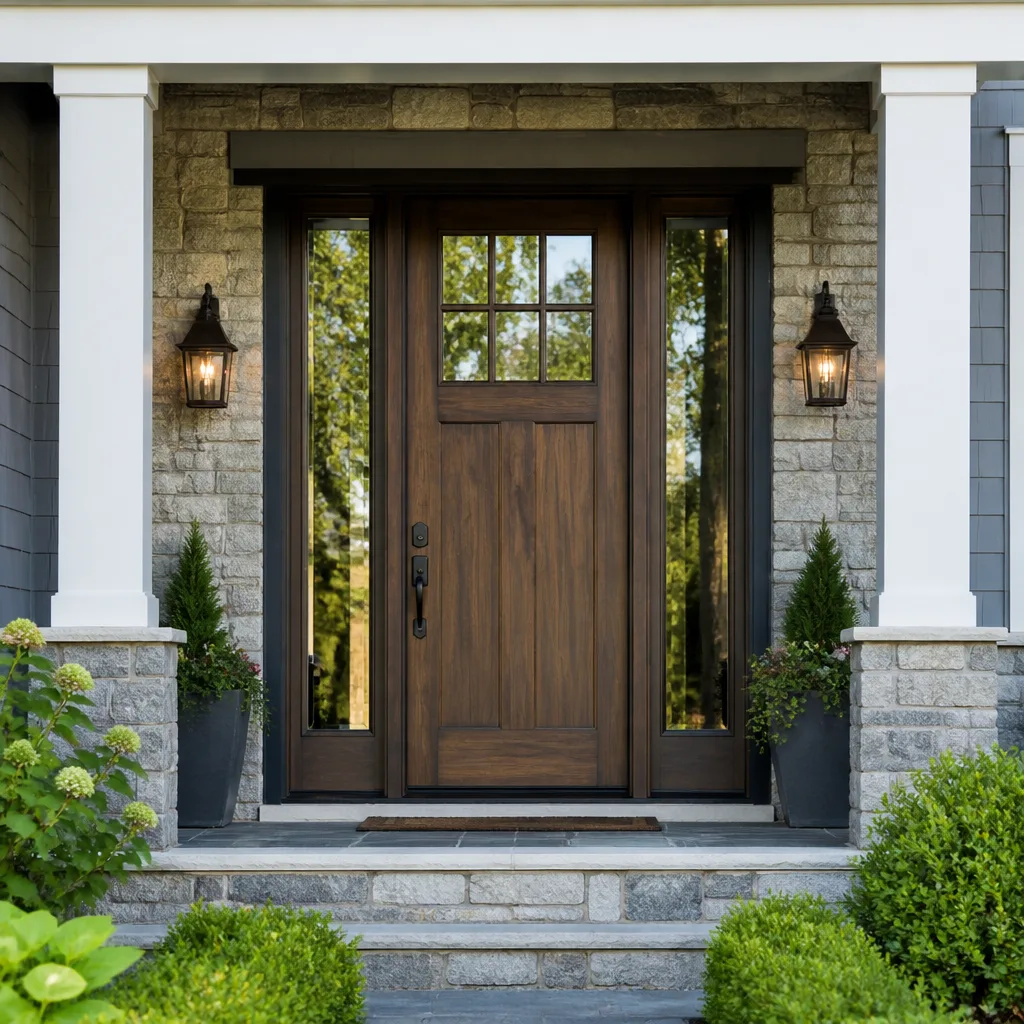 Entry doors
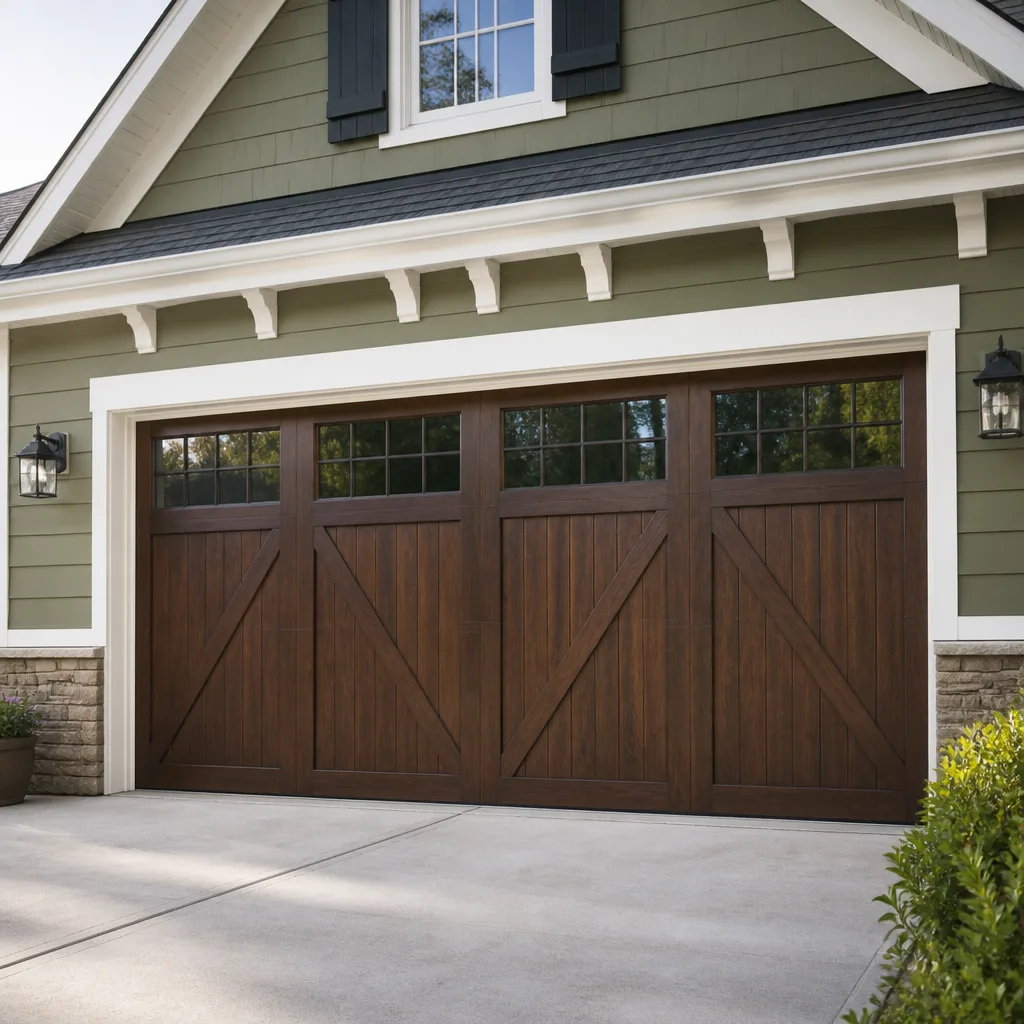 Impact garage doors
 PGT
 CGI
Free in-home measure and quote - PGT, CGI and CWS impact lines compared on your actual openings, style by style
Get your free estimateThe Complete Window Replacement Guide for Roseville Homeowners
Here’s the part of window shopping that catches people off guard: a large share of the windows stocked and advertised by national retailers aren’t built to meet California’s Title 24 energy rules. That’s not a knock on those stores. It’s that their inventory serves fifty states, and our climate and code only reward a specific slice of it. Buy the wrong SKU and you can end up with a product that’s legal to sell in Ohio and a poor fit for a Roseville living room in July. This guide walks you through what actually matters here: how Sacramento Valley heat shapes glass choices, what Title 24 asks of you, when a full-frame window makes more sense than an insert, and how a realistic timeline runs from first measurement to final sign-off.
Quick Answer
Replacing windows in Roseville means selecting glass and frames that stand up to Sacramento Valley summers near or above 100°F while meeting California Title 24, usually with a low solar heat gain coefficient to keep afternoon heat out. The right product depends on your home’s age, your existing frames, and whether you need impact-rated or thermally efficient lines – not on which brand a single dealer happens to push. A dedicated replacement specialist who carries multiple manufacturer lines can match the product to the opening instead of the other way around.
Styles & brands we work with
- Single hung
- Double hung
- Horizontal roller
- Casement
- Bay & bow
- Sliding glass doors
- Entry doors
- Impact garage doors
- PGT
- CGI
Table of Contents
- Why Roseville’s Climate Rewrites the Window Rulebook
- Title 24 and What It Actually Means for Your Glass Package
- Full-Frame vs. Insert Replacement: Which Fits Your Roseville Home?
- How to Evaluate a Manufacturer Roster
- A Realistic Timeline from Measurement to Inspection
- Don’t Forget the Doors: A Full-Envelope Approach
- Common Mistakes to Avoid
- When to Call a Professional
Why Roseville’s Climate Rewrites the Window Rulebook
National window guides are written for an average house in an average climate. Roseville isn’t average. The Sacramento Valley delivers long stretches of dry summer heat near or above 100°F, then swings into mild, wet winters. Humidity stays low through the hot months. That combination puts a specific load on glass, and it points you toward different performance targets than a guide written in the Midwest or the Southeast would suggest.
The biggest thing this climate asks of a window is solar control. In summer, the sun loading through west- and south-facing glass can overwhelm even a well-insulated home. You want a glass package that keeps that heat out during the day without turning the room into a cave in winter. That balance is measured in two numbers, and they pull against each other:
- Solar Heat Gain Coefficient (SHGC): How much of the sun’s heat a window lets through. Lower means less heat gain. In the Sacramento Valley, this is the number that most affects summer comfort and cooling bills.
- U-factor: How well the window resists heat flow. Lower is better insulated. Roseville winters are mild, so this matters less than solar control, but it still affects comfort on cold mornings.
- Visible transmittance (VT): How much daylight comes through. Push SHGC down too far and the room can feel dim. The goal is a combination that controls heat while keeping the space bright.
A manufacturer that offers several glass packages gives you room to tune this per exposure. West-facing windows in a Roseville home often want a different package than a shaded north wall. That’s exactly why carrying impact-rated and thermally efficient lines side by side matters – the right glass is chosen by performance requirement, not by what’s in stock. If you want to see how this plays out for a single project, our page on window replacement breaks down the local process.
Title 24 and What It Actually Means for Your Glass Package
California’s Title 24 energy code sets performance requirements for windows in most residential construction, which is why a national retailer’s default inventory doesn’t always line up with what you can install here. Title 24 doesn’t just apply to new homes; when you replace windows, the products you put in are expected to meet current efficiency standards for your climate zone. Practically, that means you can’t simply drop in whatever glass a big-box shelf offers. You need to confirm the product you buy is compliant for a Roseville address.
Here’s what that actually shifts in your buying decision:
- Ask for the compliance data on the specific unit. Every window product has performance ratings tied to SHGC and U-factor. You want the numbers for the exact unit you’re buying, not a generic family of products.
- Confirm the climate zone. Roseville sits in a California climate zone with hot summers, and the glass package should reflect that. A compliance specialist or your installer can tell you what the numbers need to hit.
- Match exposure to package. If you can, split your order so the hottest exposures get the more aggressive solar-control glass and shaded walls get something brighter.
- Keep the paperwork. Your installer should be able to document compliance as part of the job, since the permit and inspection process will want to see that the installed products meet the standard.
The upshot: the national ad price and the actual compliant price are often two different numbers. That’s not a trick – it’s the code. Knowing this before you shop protects you from the most expensive mistake in the process: buying a window that can’t legally or sensibly go in your wall. When you’re ready to see how window installation works from a compliance standpoint, it’s worth a closer look.
Full-Frame vs. Insert Replacement: Which Fits Your Roseville Home?
Roseville’s housing stock leans heavily on tract home neighborhoods built from roughly the 1980s through the 2000s – places like Highland Reserve, Fiddyment Farm, and the older established pockets west of the Galleria. That era of construction shapes which replacement method makes sense. Two approaches dominate:
- Insert replacement (also called pocket replacement): The new window fits inside the existing frame, and the surrounding drywall, stucco, and trim stay put. It’s faster, less invasive, and often less expensive. The catch is that the existing frame has to be sound.
- Full-frame replacement: The entire window, including the frame, comes out and a new one goes in, along with new trim and exterior finishing. It’s more work, but it fixes problems the insert can’t touch – rotted or warped frames, crumbling sills, or openings that were never sized or insulated well in the first place.
In our experience working in Roseville, the cut often falls along the age of the home. A 1990s tract with decent original frames may do well with inserts. A home that’s been through a couple of decades of valley sun, with frames that have dried out or lost their seal, often calls for full-frame so you’re not paying twice. Originals installed during a boom-and-build era sometimes show shortcuts worth correcting while the wall is open. The honest answer is that the right method is decided after someone looks at your actual openings, not by a blanket rule. To get a sense of your options for the whole project, our Roseville Window Replacement Pros team can walk you through which approach suits your house.
How to Evaluate a Manufacturer Roster
The single most limiting factor in a window project is the product menu the person quoting you has access to. A single-brand dealer has every incentive to make their one line fit your job, whether it does or not. A specialist working with multiple manufacturers gets to specify the product after understanding the problem – and that ordering of priorities is the whole game.
Here’s how to judge a roster rather than a brand name:
- Does it cover both ends of the spectrum? You want lines built for impact-rated performance and lines built for thermal efficiency, side by side, so the choice follows your need. We work with PGT and CGI on the impact-rated side, alongside thermally focused options that let us tune per exposure.
- Does it reach into doors, too? A genuine roster isn’t window-only. Therma-Tru brings a dedicated fiberglass entry door line into the mix, an upgrade path most window shops can’t offer. The door replacement side of the house is where a narrow product menu shows up fastest.
- Are the materials options real? Vinyl, fiberglass, and aluminum each behave differently under valley heat. You want a partner who can explain the trade-offs instead of steering you to one material.
- Is the lineup broad? Eight lines – PGT, CGI, CWS, ES Windows, ECO Window Systems, Mr-Glass, Therma-Tru, and ViewLux – gives a specialist room to match rather than up-sell.
What we tell Roseville homeowners is simple: don’t ask “what brand do you carry?” Ask “how do you decide which product goes in which opening?” The answer to the second question tells you whether you’re dealing with a specialist.
A Realistic Timeline from Measurement to Inspection
Window replacement is a planned project, not an emergency repair, and the timeline reflects that. Nobody remodels a home envelope overnight, and a buyer spending real money on their house deserves an accurate calendar rather than a promise. Here’s how a typical Roseville project runs, step by step:
- Consultation and measurement. Someone measures each opening and confirms the replacement method, then determines the right glass packages for the exposures.
- Product selection and quote. You get a written, line-item estimate with the chosen products and their performance specs, and you can confirm Title 24 compliance for the specific units.
- Ordering and lead time. Manufacturing and shipping take time. This is the longest stretch and the one worth planning around.
- Permitting. Depending on the scope, work in Roseville typically involves a local permit through the city, with Placer County rules applying in some cases. A professional handles this. Verify what’s required for your job rather than assuming it’s permit-free.
- Installation. The crew removes old units, installs the new ones, and finishes the interior trim and exterior sealing. A full-envelope project that includes doors can extend this stage.
- Inspection and walkthrough. The final inspection confirms the work and products meet code, and you do a walkthrough for fit, operation, and sealing.
If your home is one of the older Roseville tracts, add a little room at step one for a closer look at existing frames – it’s where surprises live. A realistic estimate you can trust beats an optimistic one you can’t. To get your own timeline started, call (279) 529-6442 for a free estimate.
Don’t Forget the Doors: A Full-Envelope Approach
Windows get all the attention, but your home’s envelope includes every exterior door, and Roseville’s heat treats a tired door the same way it treats tired glass. An entry door that’s lost its seal or a sliding door with dried-out tracks lets conditioned air escape and heat in. Because we specialize in the whole envelope, we handle sliding doors and entry doors alongside windows, so you’re not coordinating separate contractors and chasing gaps between trades.
A few things worth knowing as you plan:
- Fiberglass entry doors, including the Therma-Tru line, hold up well under valley sun and offer an upgrade path beyond standard wood or steel.
- Sliding doors deserve the same performance scrutiny as windows, since large glass areas drive both comfort and Title 24 compliance.
- Consistency matters. When the same specialist specifies windows and doors together, the glass packages and finishes line up and the project moves as one.
ViewLux rounds out a lineup that lets us specify from sliding doors to entry doors to every window in between. From a homeowner’s view, the practical benefit is one point of responsibility for the whole envelope rather than a handoff between a window guy and a door guy.
See the difference
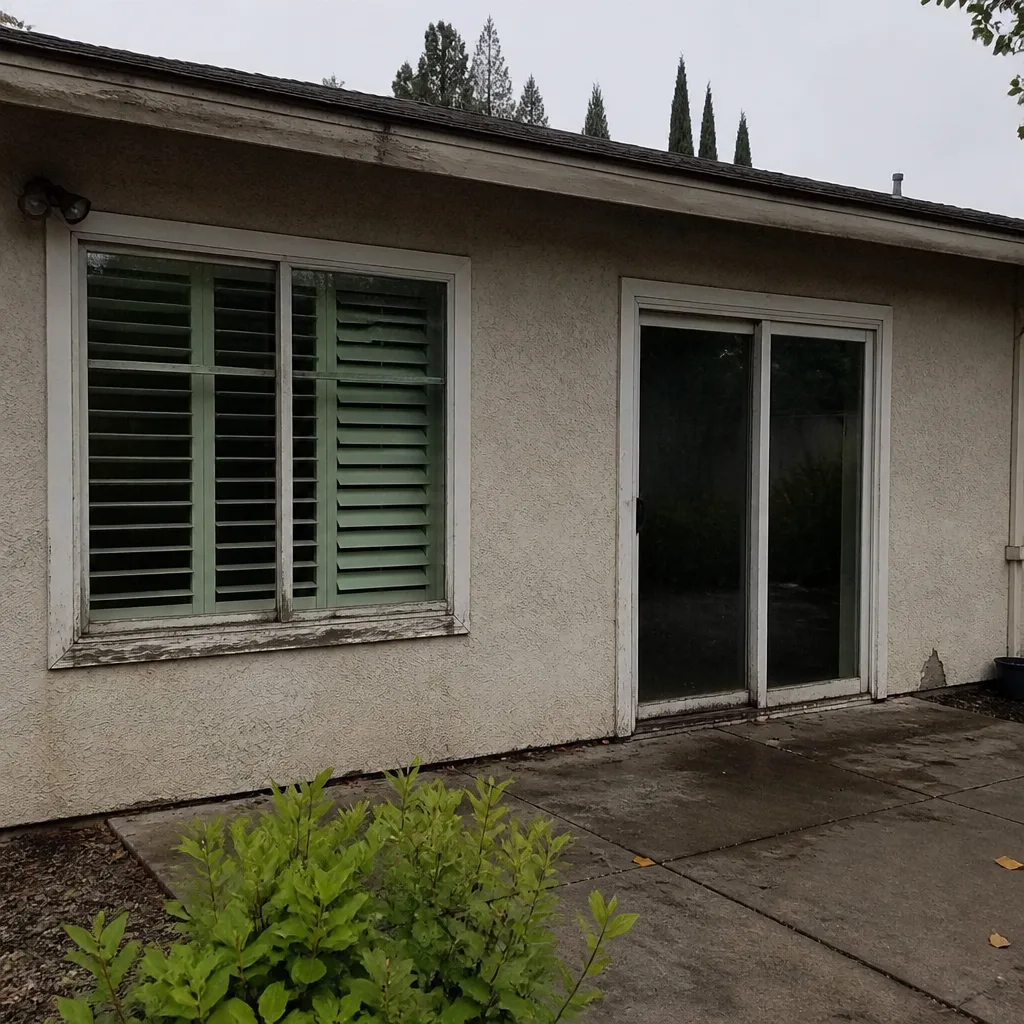 Before
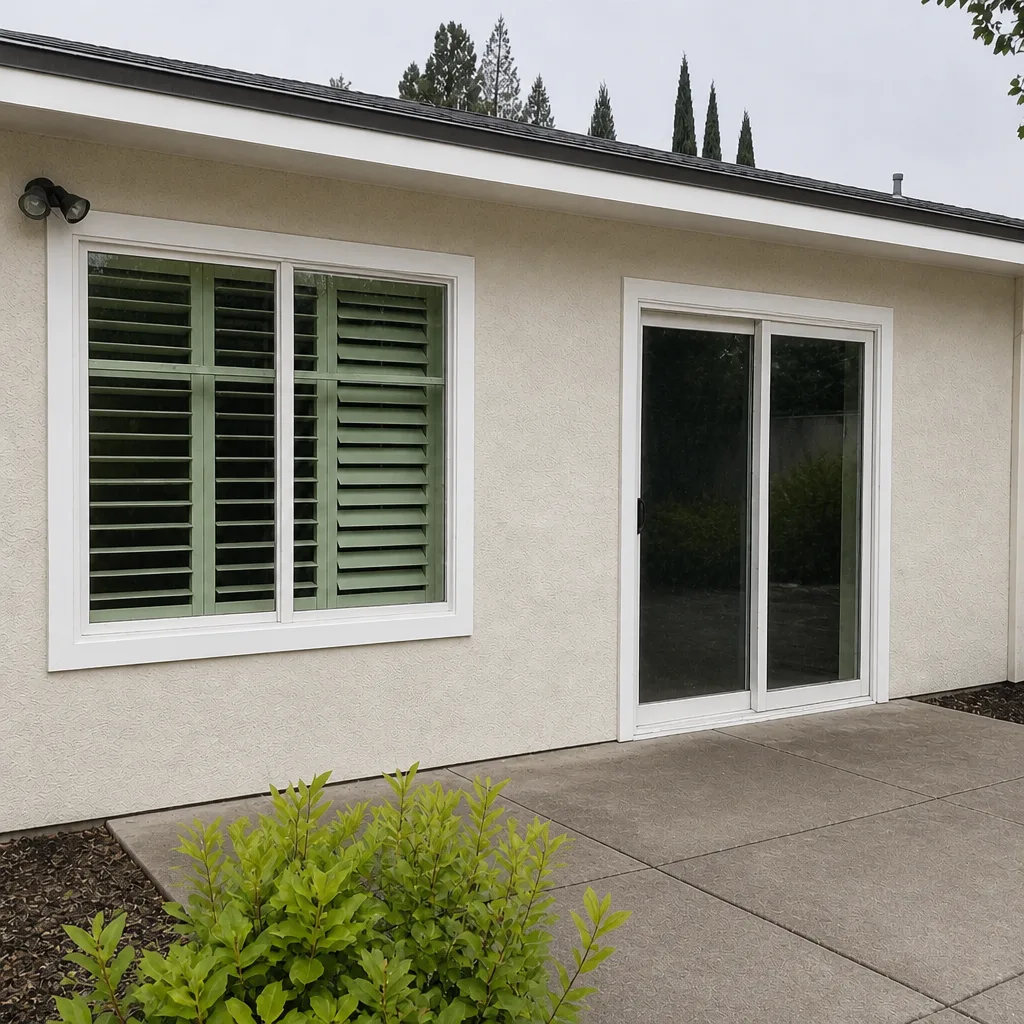 After
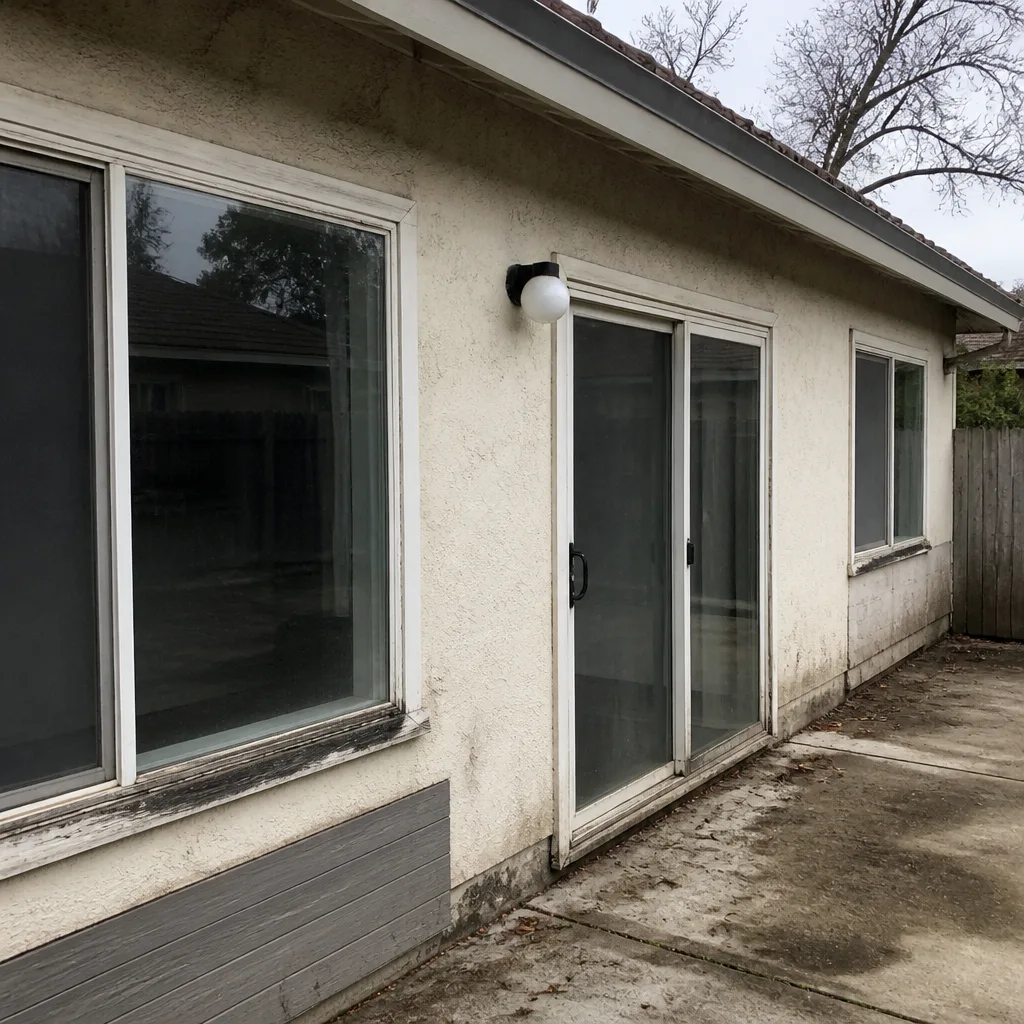 Before
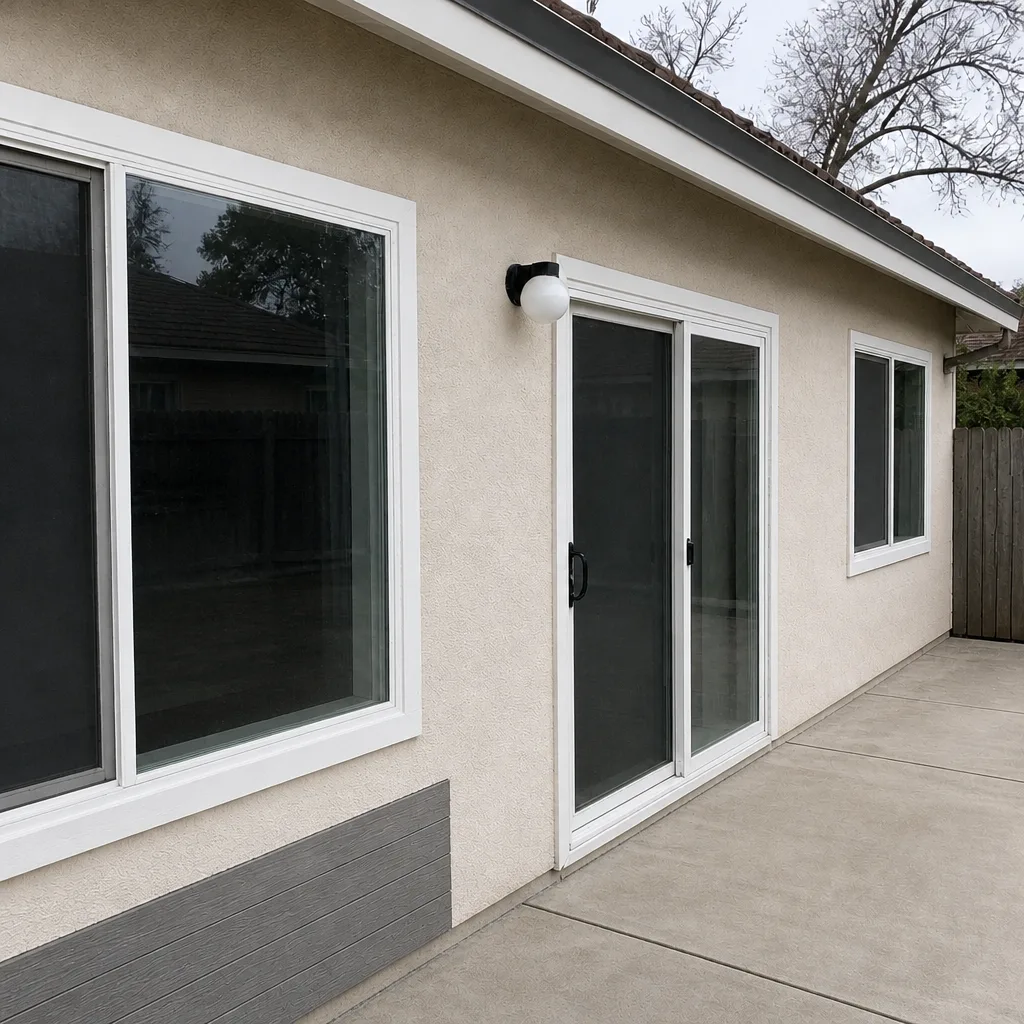 After
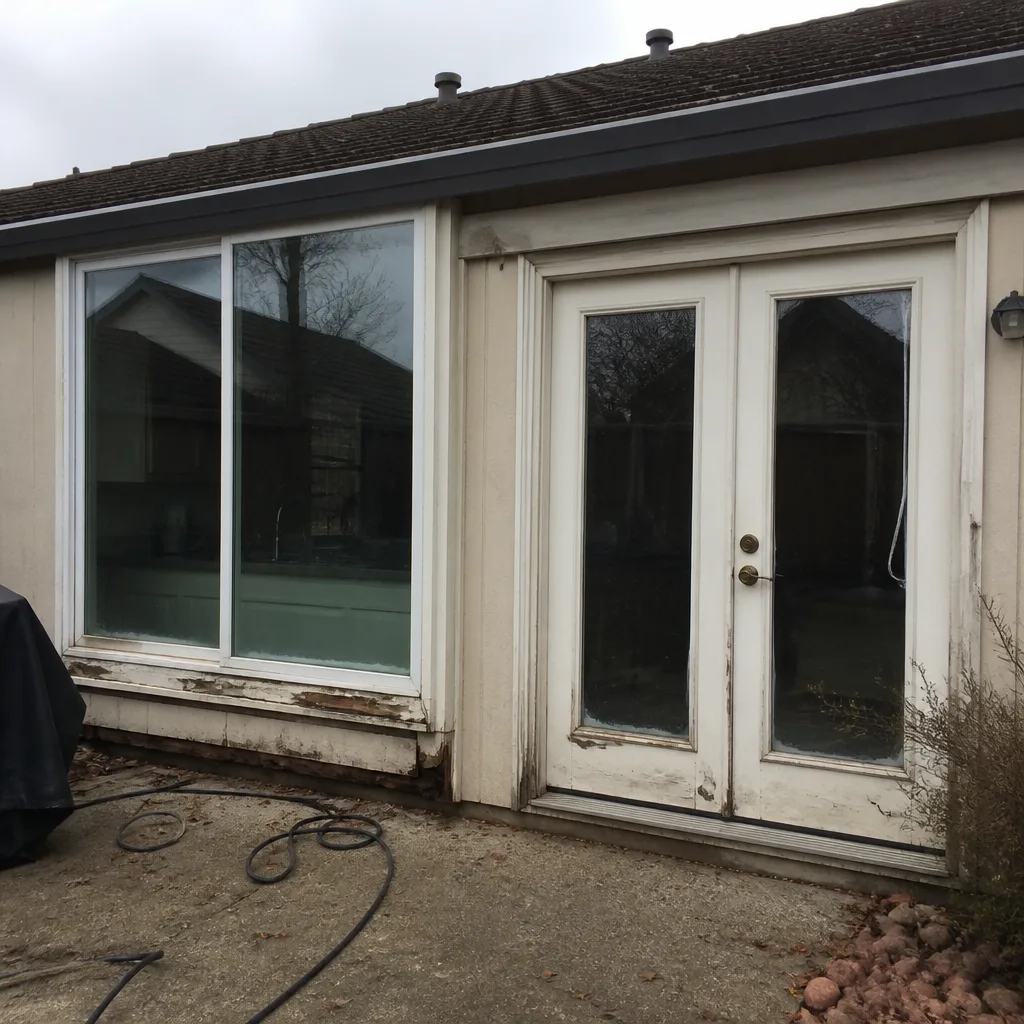 Before
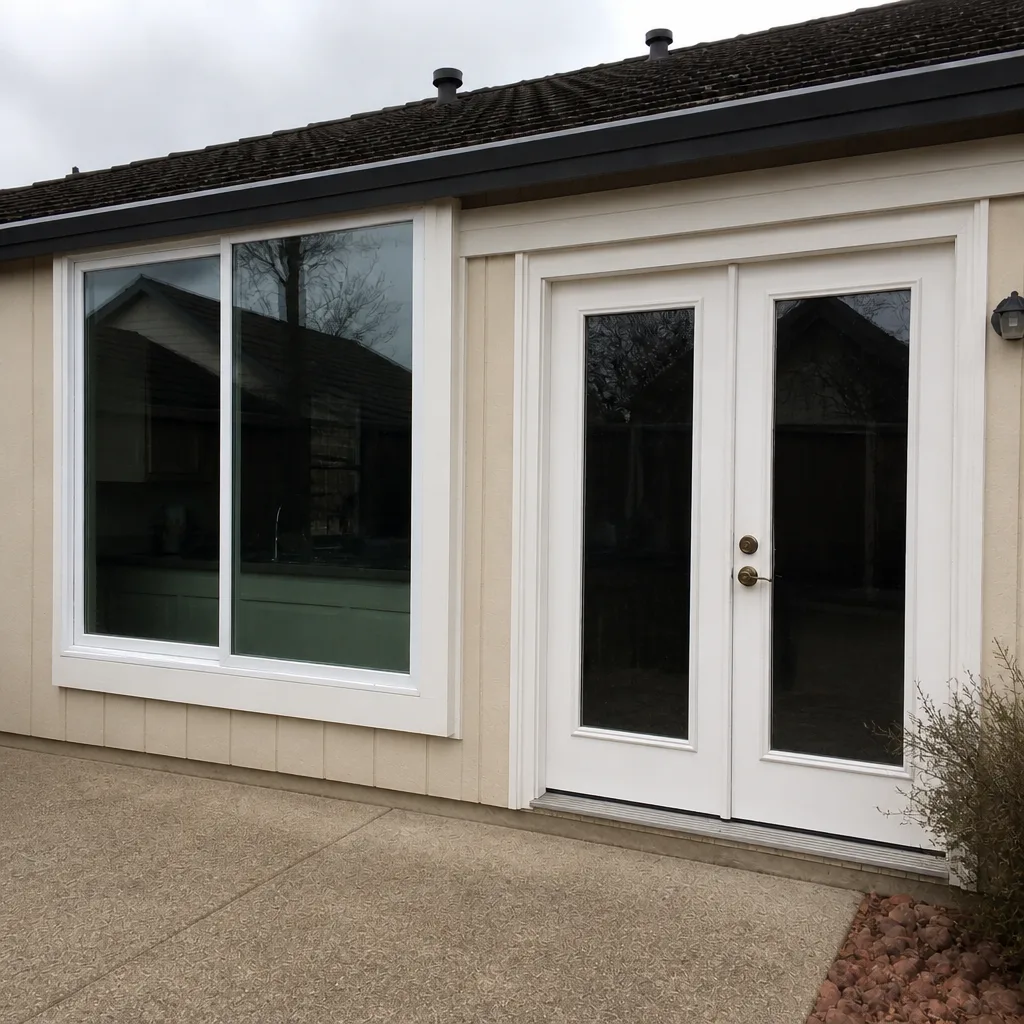 After
Common Mistakes to Avoid
- Buying on the sticker and ignoring Title 24. A window that’s fine for a national sale can be the wrong glass for a Roseville address. Check compliance for the exact unit before you commit.
- Copying a friend’s out-of-state purchase. Recommendations tuned to Midwest or coastal climates can steer you to glass packages that don’t control Sacramento Valley heat the way you need.
- Choosing inserts over frames that need full replacement. If the existing frame is rotted or warped, an insert just seals a problem inside the wall. Look at the frames before deciding on method.
- Sticking with a single-brand dealer. The product should match the opening, not the dealer’s inventory. A broad roster is a concrete trust signal, not a slogan.
- Ignoring west and south exposures. Treating every window the same leaves your hottest walls underperforming. Split the order when it makes sense.
- Forgetting the doors. A whole-house envelope project that stops at the windows leaves the biggest gaps – the doors – unaddressed and the project unfinished.
- Believing a too-good calendar. Window replacement is a planned project with order lead times and inspections. A realistic timeline is a sign of a professional, not a delay.
When to Call a Professional
Some decisions are safe to make solo; window replacement isn’t usually one of them. Call a professional when you’re facing any of the following: a window that’s lost its seal or clouded between the panes; frames that feel soft, warped, or drafty around the edges; a home built in Roseville’s 1980s-to-2000s tracts where the originals are due; glass that can’t keep the afternoon heat out on west- and south-facing walls; a sliding or entry door that no longer seals; or any project where you need to confirm Title 24 compliance and lock in the right product for each opening. A specialist who carries multiple manufacturer lines can match the product to your need instead of pushing the one line available. Roseville Window Replacement Pros offers free estimates in Roseville – call (279) 529-6442 to schedule yours and get a written, line-item quote.
Frequently Asked Questions
Cost depends on the number of openings, the replacement method, and the glass package you choose, and the best way to know your number is a written line-item estimate. Pricing is per job, quoted after we understand your openings and performance needs, and the written estimate sets the final price. Note that replacement work with us starts at three openings or more. Call (279) 529-6442 for an exact quote – estimates are free.
Yes – California’s Title 24 energy code applies, which is why the product you install has to meet current efficiency standards for your climate zone rather than whatever a national retailer stocks. That’s the key reason to confirm SHGC and U-factor for the exact units you buy. We can walk you through compliant options and document the job. Call (279) 529-6442 to talk through your glass choices.
For our hot, dry summers, a lower solar heat gain coefficient performs better because it blocks more of the sun’s heat before it enters the room. The right number depends on the exposure and how much daylight you want, so west and south walls often want more solar control than shaded ones. The goal is a balance between heat control and brightness, not a single universal figure. Call (279) 529-6442 and we’ll help you match the package to each wall.
The deciding factor is the condition of your existing frames – sound frames can take inserts, while rotted or warped frames usually call for full-frame replacement. In Roseville’s older tracts, frame condition after decades of valley sun often decides the method. Because both approaches exist, the choice should come after someone looks at your actual openings. Call (279) 529-6442 to schedule a free estimate and get a clear recommendation.
A typical project runs through consultation and measurement, product selection, lead time for manufacturing, permitting, installation, and a final inspection. The longest stretch is usually the product lead time, which is why a realistic calendar matters more than a fast promise. Larger full-envelope jobs that include doors take longer. Call (279) 529-6442 to map out your own timeline.
Yes – we specialize in the full envelope, so window replacement, entry door replacement, and sliding door replacement are all handled by one specialist team. That means the glass packages and finishes line up and you’re not coordinating separate contractors. The right product for each opening is chosen after we understand the job. Call (279) 529-6442 for a free estimate.
When you want to see how the brands work together, our lineup spans PGT, CGI, CWS, ES Windows, ECO Window Systems, Mr-Glass, Therma-Tru, and ViewLux – eight trusted lines, one specialist team, so the job dictates the product rather than the product dictating the job.
The Bottom Line
Replacing windows in Roseville isn’t a generic home improvement purchase. The Sacramento Valley’s heat, California’s Title 24 code, and a housing stock of 1980s-to-2000s tracts all push toward a specific set of choices: solar-control glass tuned to each exposure, the right replacement method for your existing frames, and a partner with a wide enough roster to match the product to the need. Get those right and you replace once, correctly. Get them wrong and you pay twice. The strongest advantage you can have going in is a specialist who explains the trade-offs before naming a product – and who carries both impact-rated and thermally efficient lines because the requirement decides, not the inventory.
Written by the team at Roseville Window Replacement Pros.